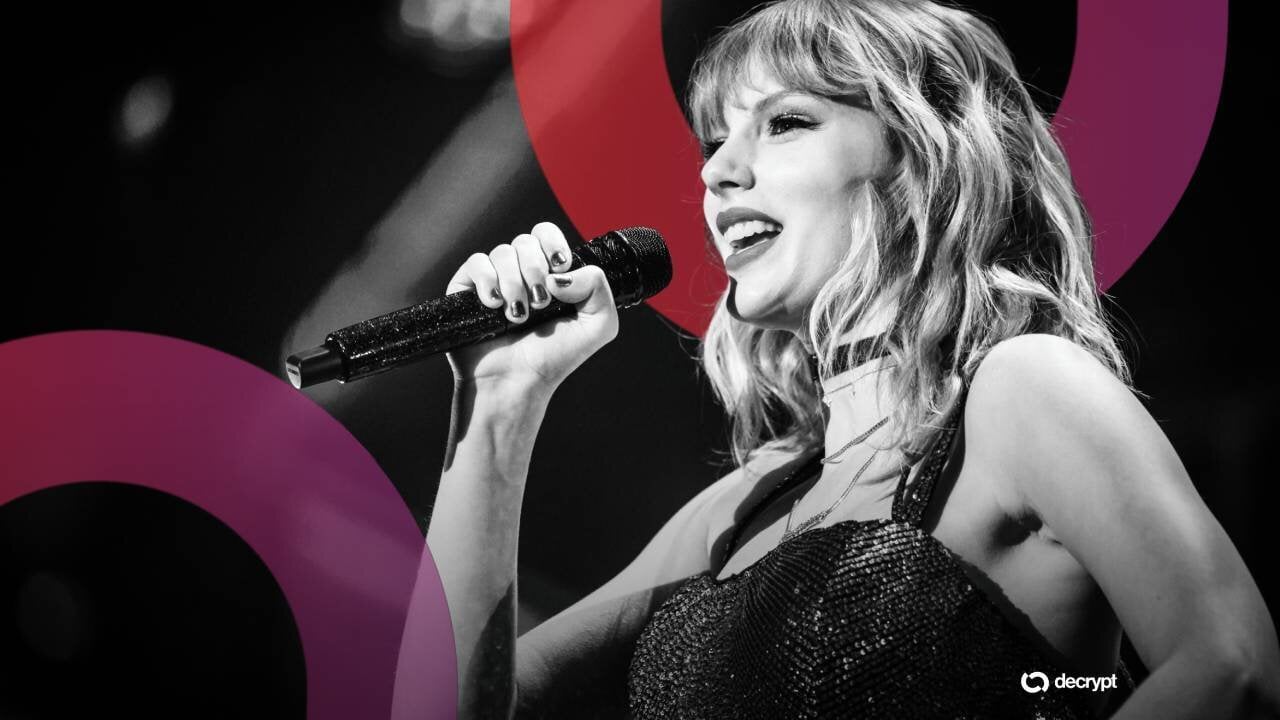
Taylor Swift filed trademark applications for her voice and image, locking down legal protection against AI-generated deepfakes. The move targets the expanding threat from image generation tools that can now convincingly mimic her likeness and voice without consent.
This isn't unique to Swift. High-profile figures across entertainment and politics have watched deepfake technology accelerate faster than legal frameworks can handle. Trademarks give her a direct enforcement mechanism. If someone creates and distributes AI-generated Swift content without permission, she has grounds to take action.
The crypto connection matters here. Image generation models train on blockchain-hosted datasets. NFT platforms and decentralized storage systems host training data for these AI tools. Some projects explicitly market this capability. Swift's move signals that celebrities will aggressively defend against this regardless of platform or infrastructure.
This also hints at regulatory pressure coming. If major artists start winning trademark cases against AI deepfakes, it forces platforms, model creators, and infrastructure providers to build in consent checks and licensing systems. That friction touches crypto ecosystems building AI tools.
Swift's strategy is straightforward. Trademark now, enforce later. It's a template other public figures will copy.