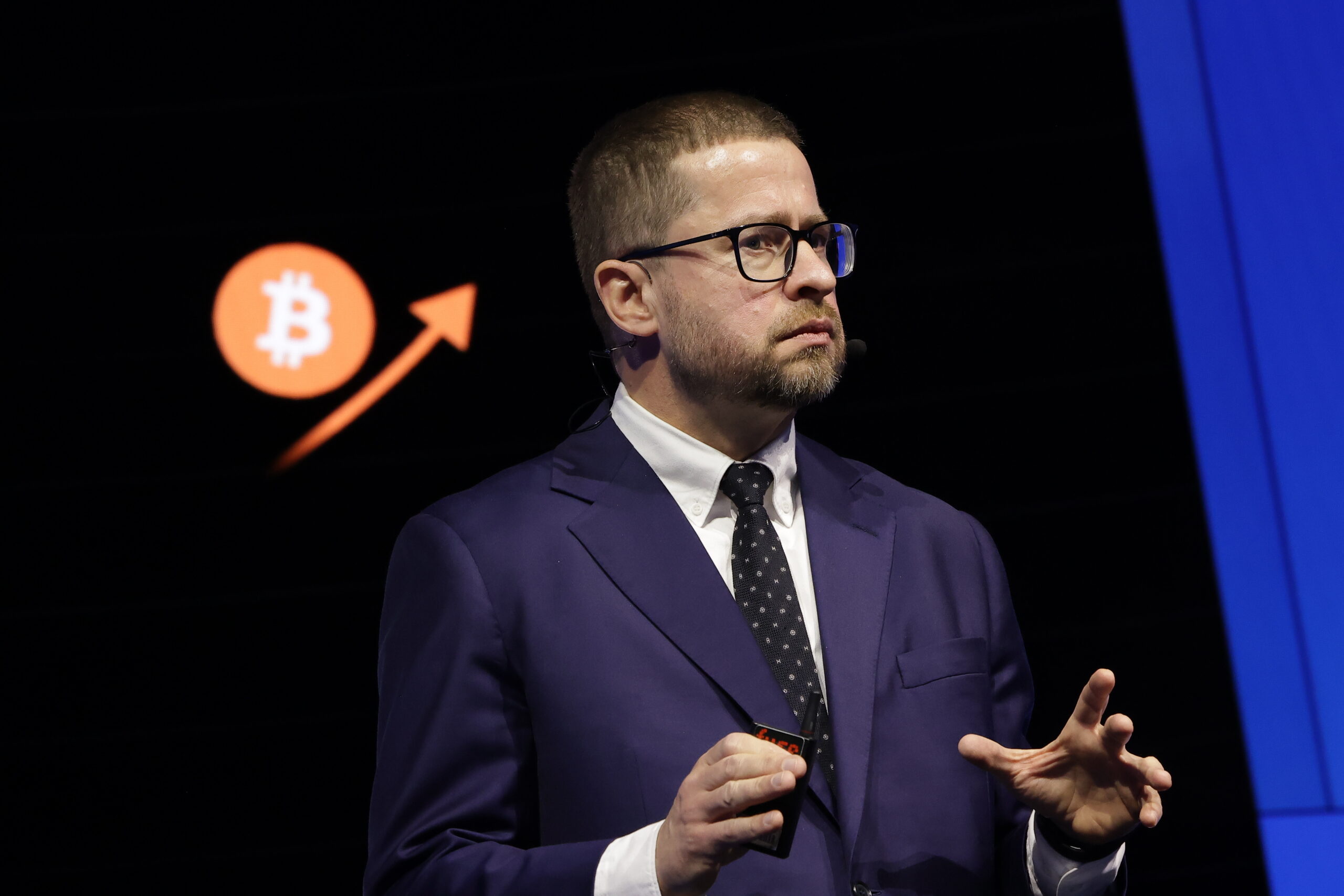
Czech National Bank Governor Aleš Michl publicly backed a 1% Bitcoin allocation for central bank reserves. He announced this strategy at a Bitcoin conference in Las Vegas, framing it as "conservative but innovative." The move signals that a major European central bank sees digital assets as a legitimate reserve component alongside traditional holdings.
Michl positioned the approach as balanced. The CNB maintains strict inflation control while taking measured exposure to Bitcoin. A 1% allocation is small enough to avoid destabilizing traditional reserve management, yet substantial enough to capture upside if Bitcoin strengthens as a store of value.
This matters because central banks rarely move first on crypto adoption. The Czech National Bank's endorsement carries weight across Europe. Other nations may follow, especially as inflation remains a concern and central banks search for yield alternatives.
The timing reinforces a broader institutional pivot. After years of dismissal, Bitcoin increasingly appears in official reserve discussions. Michl's public defense of the strategy, delivered to crypto insiders, removes ambiguity. The CNB is not hedging or exploring quietly. It's committing to Bitcoin as policy.
This doesn't pump the price overnight. But it removes one barrier to wider adoption. Central banks holding Bitcoin legitimizes the asset class for governments still on the fence.