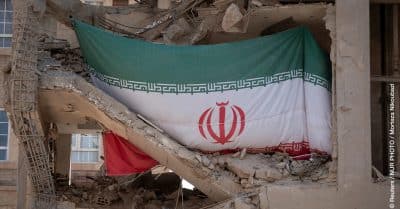
Iran's rial hit a record low as the US Navy intercepted oil shipments, strangling Tehran's hard currency reserves. The currency collapse threatens domestic stability and could fuel internal unrest as the regime faces mounting external pressure.
For crypto holders watching macro trends, this matters. Currency crises historically drive adoption of alternative stores of value, whether gold, hard assets, or decentralized money. Iran has already explored crypto to circumvent sanctions. A collapsing fiat paired with economic isolation creates the textbook conditions for individuals to flee into Bitcoin and stablecoins, regardless of government restrictions.
The rial's fall also signals broader geopolitical friction that can ripple through energy markets and global supply chains. Oil price volatility typically correlates with crypto volatility as traders reassess risk across assets.
The underlying story: authoritarian regimes with broken economies and capital controls are natural laboratories for crypto adoption. When your national currency becomes worthless and banks freeze accounts, decentralized alternatives aren't ideological choices anymore. They're survival tools.