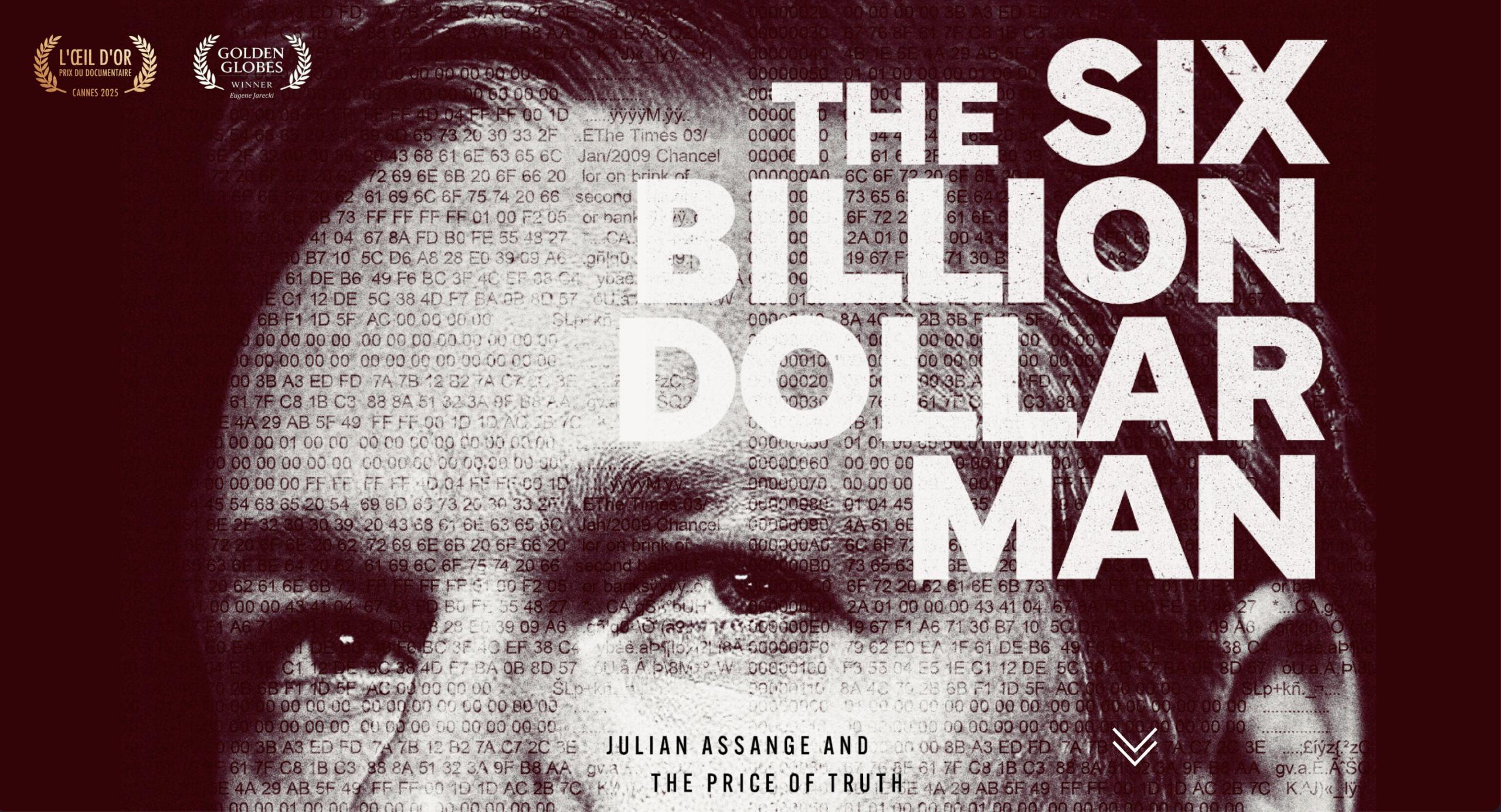
Jack Dorsey and filmmaker Eugene Jarecki are releasing a Julian Assange documentary through a bitcoin-powered distribution model, bypassing traditional streaming platforms that rejected the project.
The film explores Assange's story and WikiLeaks, touching on themes around freedom of information and government transparency. Major streamers passed on it, likely due to the political sensitivity around Assange's extradition case and his relationship with U.S. authorities. Rather than shelve the project, Dorsey and Jarecki chose to distribute it using Bitcoin payments, treating it as a test case for how creators can reach audiences without relying on centralized gatekeepers.
This move highlights a real use case for bitcoin beyond speculation and trading. It's the kind of application Bitcoin advocates point to when defending the network's purpose: enabling transactions that institutions want to block. Dorsey, a longtime Bitcoin believer and founder of Block (formerly Square), has consistently pushed this narrative.
The partnership also signals how crypto communities are building parallel infrastructure for content, financing, and distribution. Whether the model gains traction depends on whether enough holders and supporters value the content enough to pay in Bitcoin.
It's a story about ideology meeting economics. The streamers' rejection wasn't accidental. Using Bitcoin to circumvent that rejection sends a message about what decentralization actually means in practice.