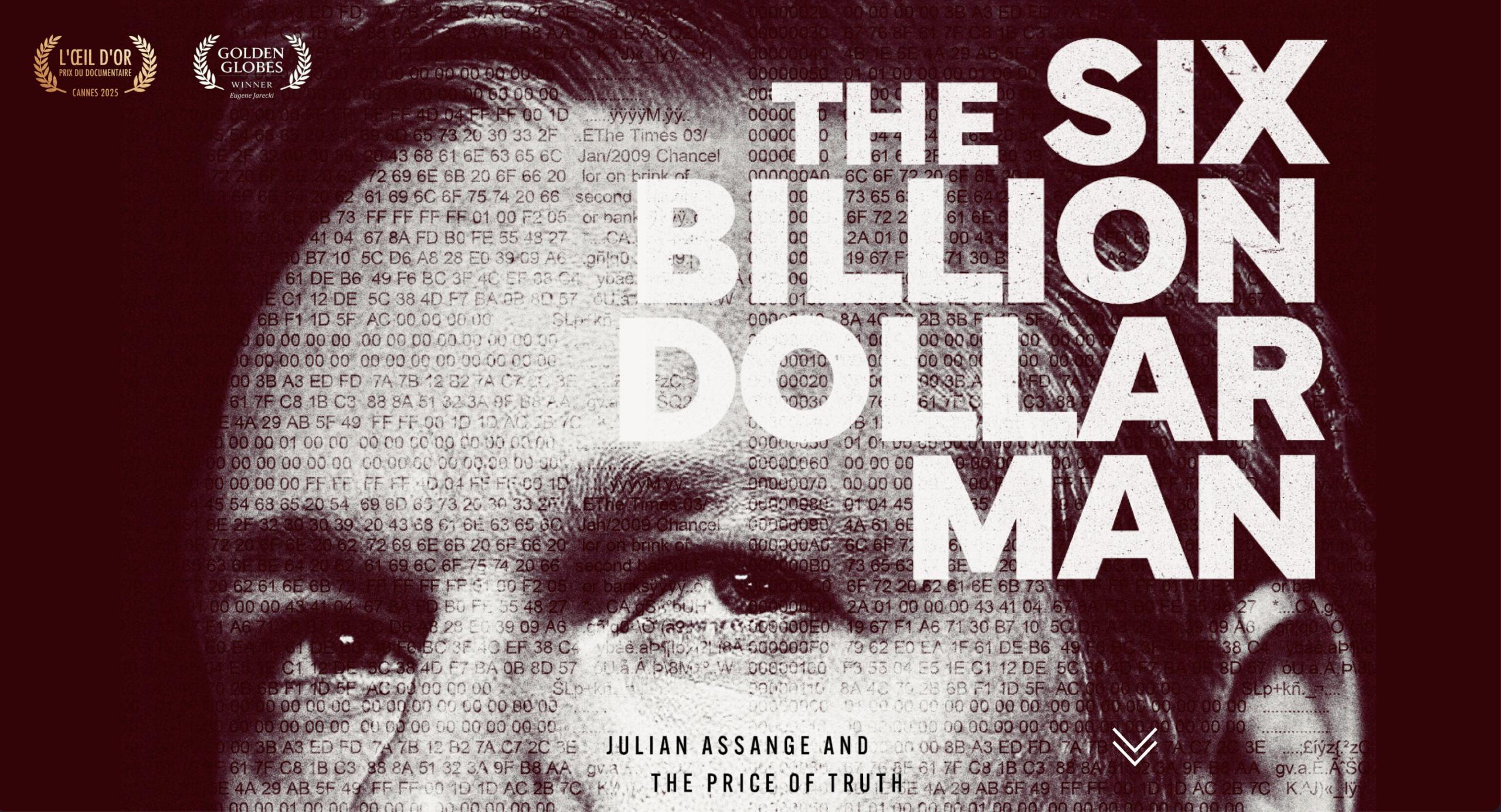
Jack Dorsey and filmmaker Eugene Jarecki are launching a Julian Assange documentary using bitcoin as the distribution mechanism. Traditional streaming platforms rejected the film, making this a direct-to-audience release powered by crypto rails.
The project centers on Assange's role in WikiLeaks and the government pressure that followed. Rather than fight for shelf space on Netflix or Amazon, Dorsey and Jarecki are betting on bitcoin-native distribution to reach an audience that understands both censorship resistance and cryptocurrency's value proposition.
This move hits on two fronts. First, it demonstrates bitcoin's utility beyond price speculation. Second, it frames crypto adoption around a real-world problem: platforms with gatekeeping power refusing to distribute content they deem controversial.
The timing matters. Assange spent years fighting extradition while his story remained fragmented across independent outlets. Now it gets a proper documentary treatment, distributed through infrastructure that can't be pressured by traditional corporate interests.
For the crypto crowd, this validates the censorship-resistance narrative. For everyone else, it's a test case in whether decentralized distribution actually works at scale. Dorsey's involvement carries weight given his history pushing bitcoin infrastructure. Whether this model catches on depends on execution and audience appetite.