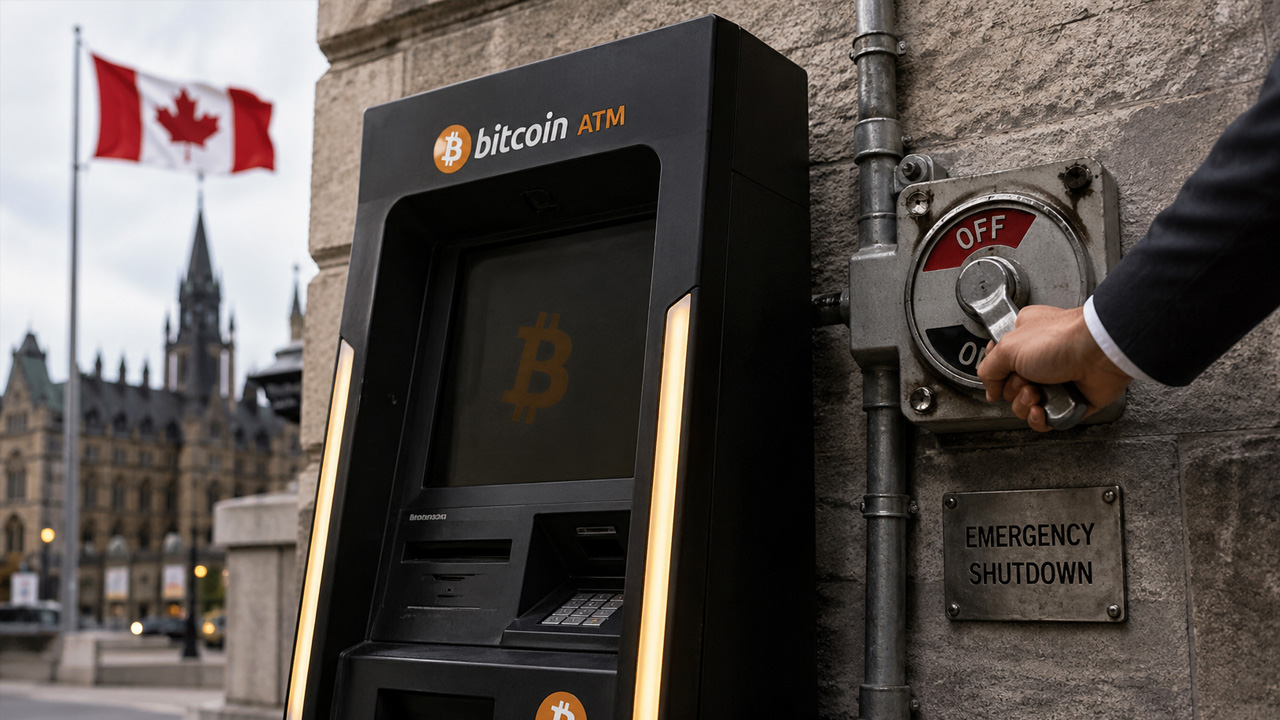
Canada is moving to ban crypto ATMs, reversing its role as the birthplace of Bitcoin's most accessible on-ramp. The country installed the first crypto ATM in a Vancouver coffee shop back in April 2013, pioneering a retail footprint that let regular people buy Bitcoin with cash, no bank account required. Now, over a decade later, regulators want that technology gone.
Fraud concerns are driving the push. Crypto ATMs have become a vector for scams and money laundering, with victims and law enforcement flagging them as problem infrastructure. The machines enable quick, anonymous conversions that bad actors exploit. For politicians, crypto ATMs represent an easy target. They're visible, concentrated, and linked to consumer harm in ways that resonate with voters who've lost money to fraud.
The irony stings. What made crypto accessible to the average Canadian now looks like a liability. Regulators face pressure to protect retail participants, and crypto ATMs sit in the crosshairs. Banks won't touch them. Governments see enforcement opportunities.
This signals a broader shift. Accessibility that once defined crypto's appeal is becoming a regulatory liability. Governments prioritize fraud prevention over financial inclusion. For holders and builders, it's a reminder that retail on-ramps remain politically fragile, especially when tied to consumer losses.