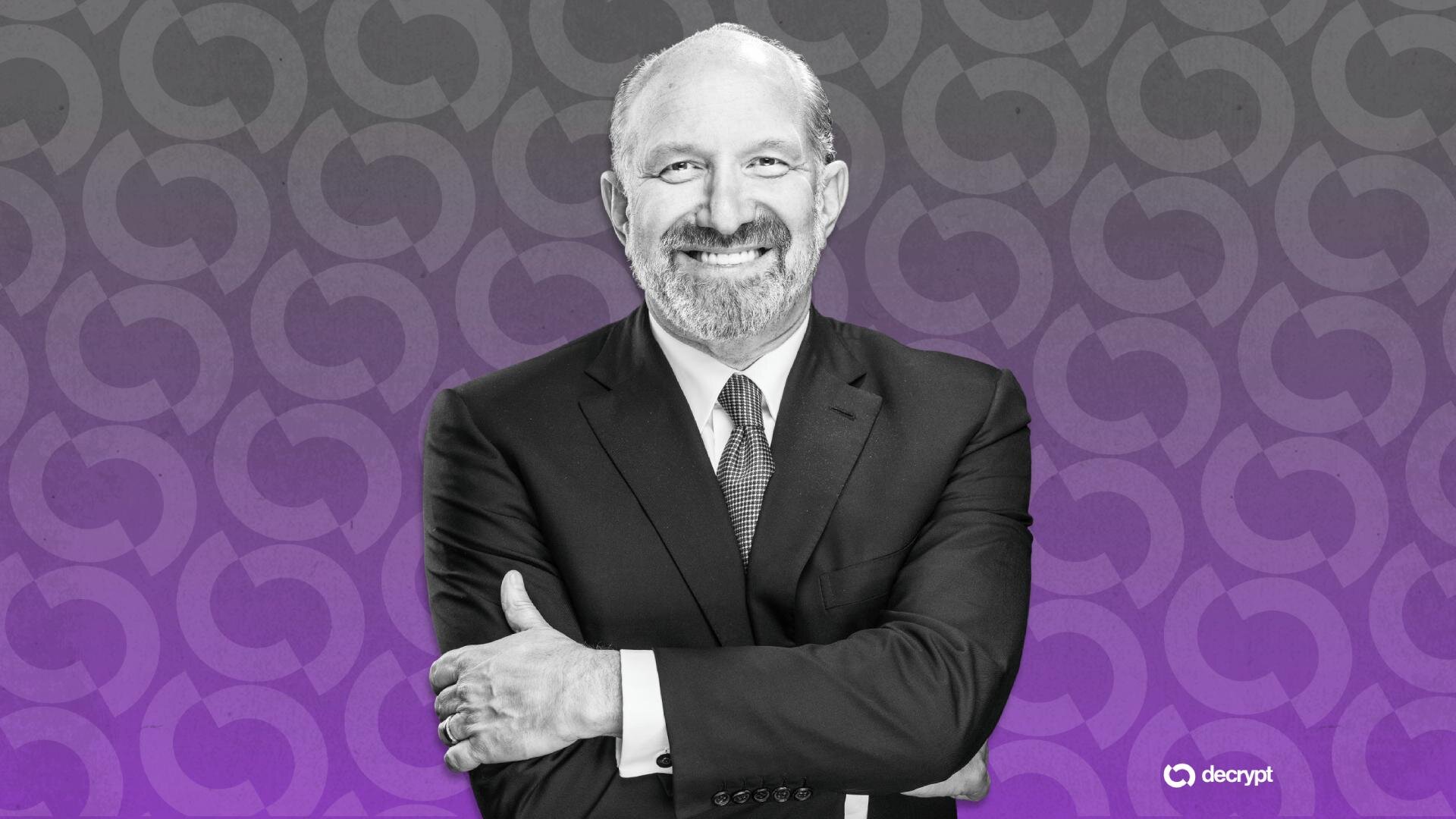
Senators Elizabeth Warren and Ron Wyden sent letters to Commerce Secretary Marco Lutnick demanding transparency around a loan Dynasty Trust A, a trust benefiting his children, received from Tether. The stablecoin issuer provided an undisclosed amount to the trust, raising conflict-of-interest questions given Lutnick's cabinet role overseeing commerce and trade policy.
Warren and Wyden pressed for details on the loan terms, interest rates, and whether Lutnick disclosed the arrangement to relevant ethics officials. The senators highlighted potential conflicts given Tether's controversial regulatory status and Lutnick's influence over federal policy affecting crypto firms. Tether has faced repeated scrutiny from regulators over reserve backing claims and its ties to FTX before the exchange's 2022 collapse.
Dynasty Trust A operates as a family trust structure, typically used for wealth preservation across generations. The loan arrangement emerged publicly through reporting, suggesting initial non-disclosure. This prompted the congressional inquiry focused on whether Lutnick met ethics disclosure requirements when joining the Trump administration.
Lutnick built wealth as a cryptocurrency advocate and Bridgewater Associates co-founder before his appointment. His crypto ties made him a polarizing pick for Commerce Secretary among regulators and lawmakers skeptical of digital assets. Warren and Wyden, both crypto-skeptical senators, seized on the Tether arrangement as evidence of conflicts requiring remediation.
The probe reflects deeper tension over whether crypto insiders should hold federal positions affecting industry regulation. Tether maintains over 100 billion USDT in circulation, making it the largest stablecoin by market cap despite never undergoing a full third-party audit of reserves. The issuer faces ongoing lawsuits and regulatory probes in multiple jurisdictions.
Lutnick has not yet publicly responded to the senators' inquiries. The Commerce Secretary's potential conflicts over Tether dealings could complicate his authority on digital asset regulation within the Trump administration.
WHY IT MATTERS: Conflicts between cabinet officials and crypto firms they may influence undermine regulatory credibility and raise questions about whether stablecoin