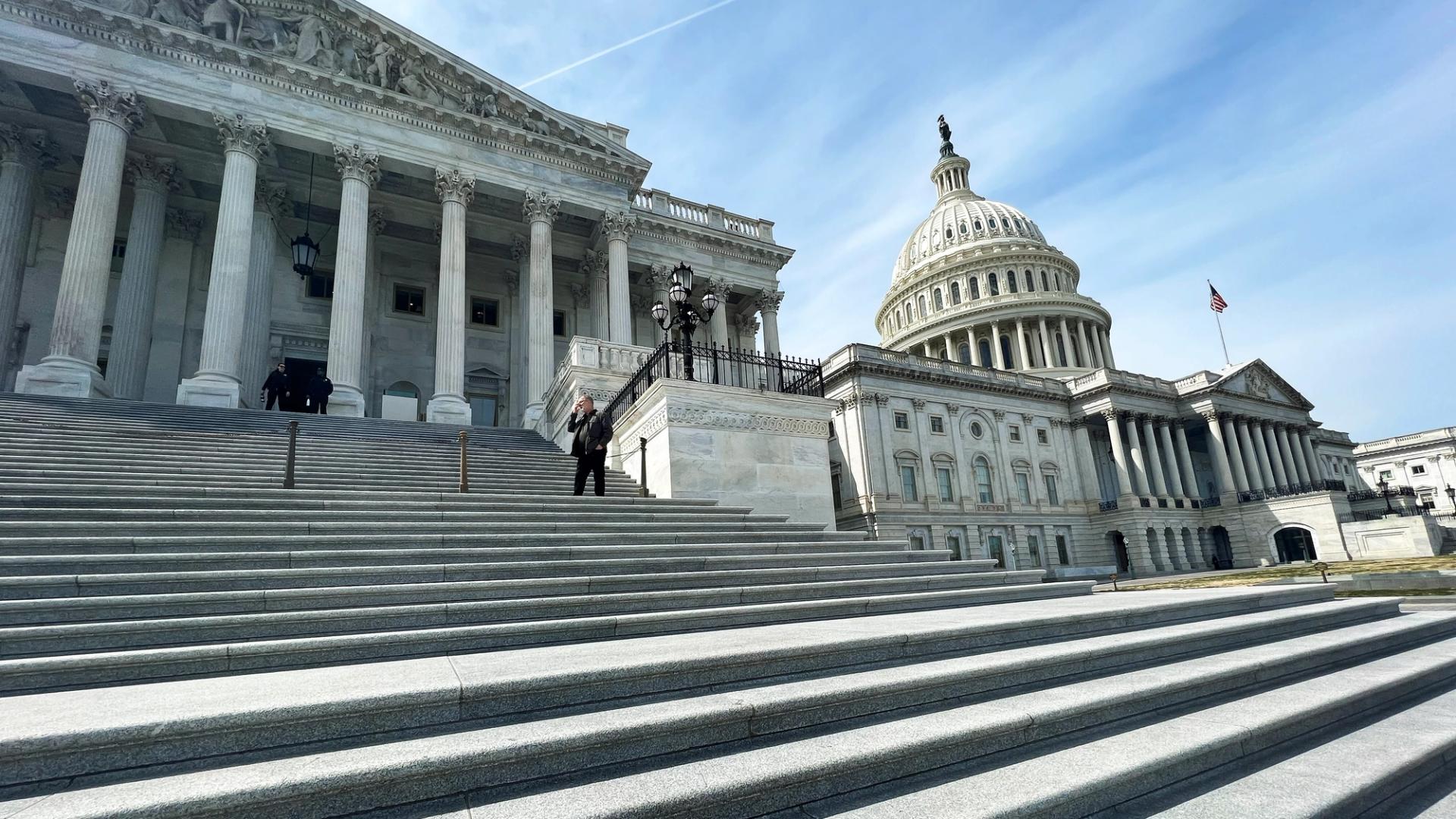
Jacob Smagula, a crypto policy specialist with direct industry experience, joins the American Institute of Politics (AIP) as a fellow in Washington D.C. Smagula brings operational knowledge from two distinct crypto verticals to the role.
At Marathon Digital Holdings (MARA), one of North America's largest bitcoin miners, Smagula worked on government affairs. This experience exposed him to mining regulation, energy policy debates, and relationships with federal agencies. Marathon operates thousands of ASIC miners and maintains significant political engagement around bitcoin infrastructure and grid integration.
Smagula currently serves on the policy team at the DeFi Education Fund, a nonprofit focused on advancing decentralized finance regulatory understanding. This dual background positions him to bridge mining interests and broader crypto protocols when advising policymakers.
The AIP fellowship places Smagula within reach of Hill staff and committees handling crypto legislation. His arrival reflects growing demand for technical crypto expertise in Congress. Legislative bodies continue grappling with digital asset frameworks, stablecoin regulation, and self-custody rights. Smagula's hands-on experience from both mining operations and DeFi policy gives him credibility across fragmented crypto communities.
The move signals the crypto industry's sustained focus on Capitol Hill lobbying. As regulatory clarity remains elusive, companies like Marathon and advocacy groups like the DeFi Education Fund seed talent into D.C. institutions. Fellows often transition into staff positions, embedding industry knowledge deeper into the legislative process.
Smagula enters a complex political environment. Bitcoin mining faces scrutiny over energy consumption, though some lawmakers support it as domestic energy infrastructure. DeFi continues facing resistance from banking regulators and the SEC. His role involves translating technical realities and industry positions into language policymakers understand.
THE BOTTOM LINE: Crypto's most experienced operators are placing skilled advocates directly inside Washington institutions, accelerating the industry's institutional integration into U.S. policy-making.