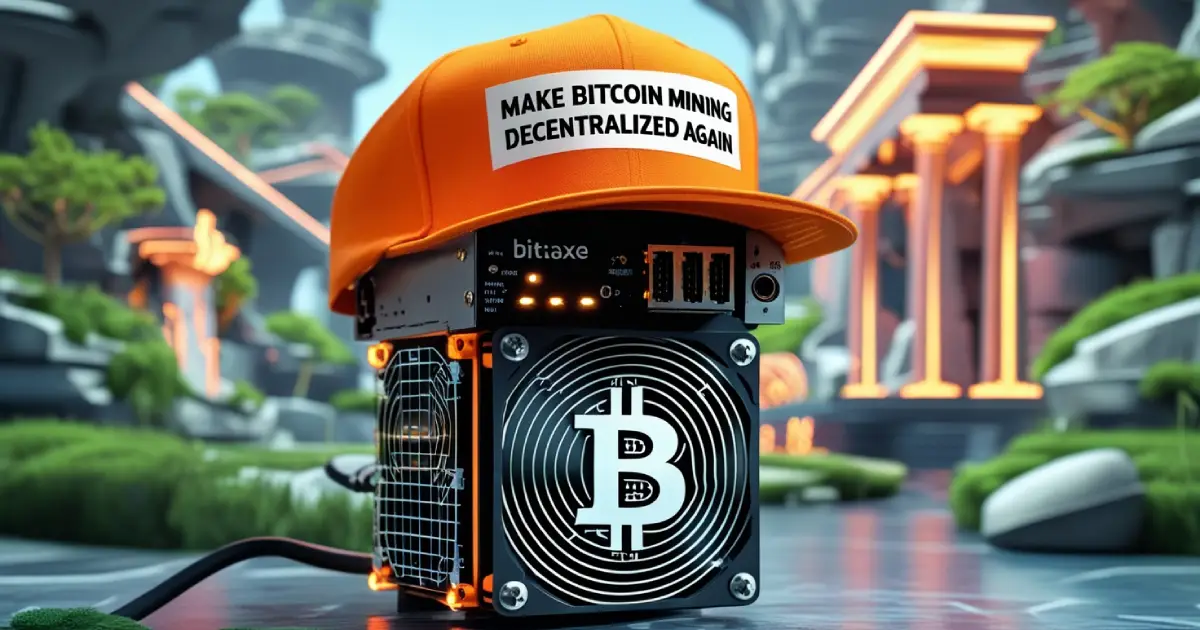
Major Bitcoin mining pools and infrastructure providers have joined the Stratum v2 Working Group, signaling broad industry commitment to upgrading mining protocols. ANTPOOL, Block Inc, F2Pool, Foundry, Spiderpool, MARA Foundation, and DMND now sit on the working group tasked with standardizing Stratum v2 across the network.
Stratum v2 represents a generational shift in mining architecture. The protocol reduces mining pool centralization risk by allowing miners to select their own transactions and templates rather than accepting pre-built blocks from pools. This distributes block construction power away from large pools and improves protocol decentralization at the base layer.
The cohort expansion matters because these organizations control substantial hashrate. ANTPOOL commands roughly 15 percent of global hashrate. Foundry operates Foundry USA, which mines around 20 percent of new blocks. F2Pool ranks among the top three pools globally. Their participation accelerates Stratum v2 adoption and signals confidence in the protocol's technical roadmap.
Block Inc, Jack Dorsey's parent company, has invested heavily in mining infrastructure through Square and Cash App. Its inclusion reflects broader interest in scaling bitcoin mining outside traditional venues. MARA (Marathon Digital Holdings) and DMND represent major bitcoin-focused mining operators looking to modernize pool communications.
Stratum v2 remains incompletely deployed. While the reference implementation exists, rolling out across thousands of mining operations requires coordinated effort. Larger pools must integrate the protocol, hardware manufacturers must update firmware, and individual miners need compatible software. The working group accelerates this coordination.
Price action in mining stocks reflects cautious optimism. Marathon Digital traded near 18 dollars this week, up from summer lows. Riot Platforms showed similar recovery patterns as the sector rebounds from hashrate pressure and elevated energy costs in 2024.
This expansion removes fragmentation risks. A unified Stratum v2 standard prevents competing protocol variants that could undermine mining decentralization gains. Full deployment could take years, but commitment from top-tier operators makes irre