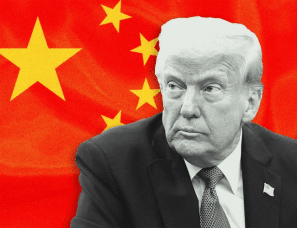
Trump's confirmed visit to China on May 14-15 introduces fresh geopolitical variables into an already volatile macro environment affecting crypto markets. The timing matters. Trade tensions between the US and China directly influence risk appetite in digital assets, particularly Bitcoin and Ethereum, which track broader sentiment shifts when major powers negotiate.
A successful diplomatic meeting could ease tariff concerns that have weighed on tech stocks and risk assets generally. Chinese regulators remain hostile to crypto activity domestically, but improved US-China relations typically reduce geopolitical risk premiums baked into Bitcoin's price. The asset trades as a hedge against policy uncertainty. Lower tension means lower hedging demand.
Conversely, failed negotiations or escalating disputes push traders toward safe havens. Bitcoin typically rallies during US-China friction. The visit lands at a critical moment. Fed policy remains data-dependent, and any trade war escalation could force the central bank to cut rates sooner than expected, weakening the dollar and supporting alternative assets.
Chinese officials have shown no signs of reversing crypto bans, but improved relations could theoretically soften enforcement or create pathways for institutional participation in Hong Kong-based platforms. Hong Kong's crypto hub status depends partly on mainland willingness to allow capital flows. Diplomatic thaw matters here.
Markets have already priced in some optimism. Bitcoin hovered near $67,000 heading into the announcement. Ethereum similarly benefited from risk-on sentiment. If Trump and Chinese leadership reach concrete agreements on tariffs or trade, expect risk assets to rally. If tensions persist or deepen, crypto sells off alongside equities.
The broader takeaway: geopolitical events now directly move crypto prices. Traders should monitor post-visit statements closely for language around tariffs, tech restrictions, and payment systems. Any mention of digital currencies or blockchain regulation from either side carries immediate market implications.
THE BOTTOM LINE: US-China diplomatic progress typically supports crypto risk assets by lowering geopolitical premiums, while escalation pushes traders toward Bitcoin's hedging properties.