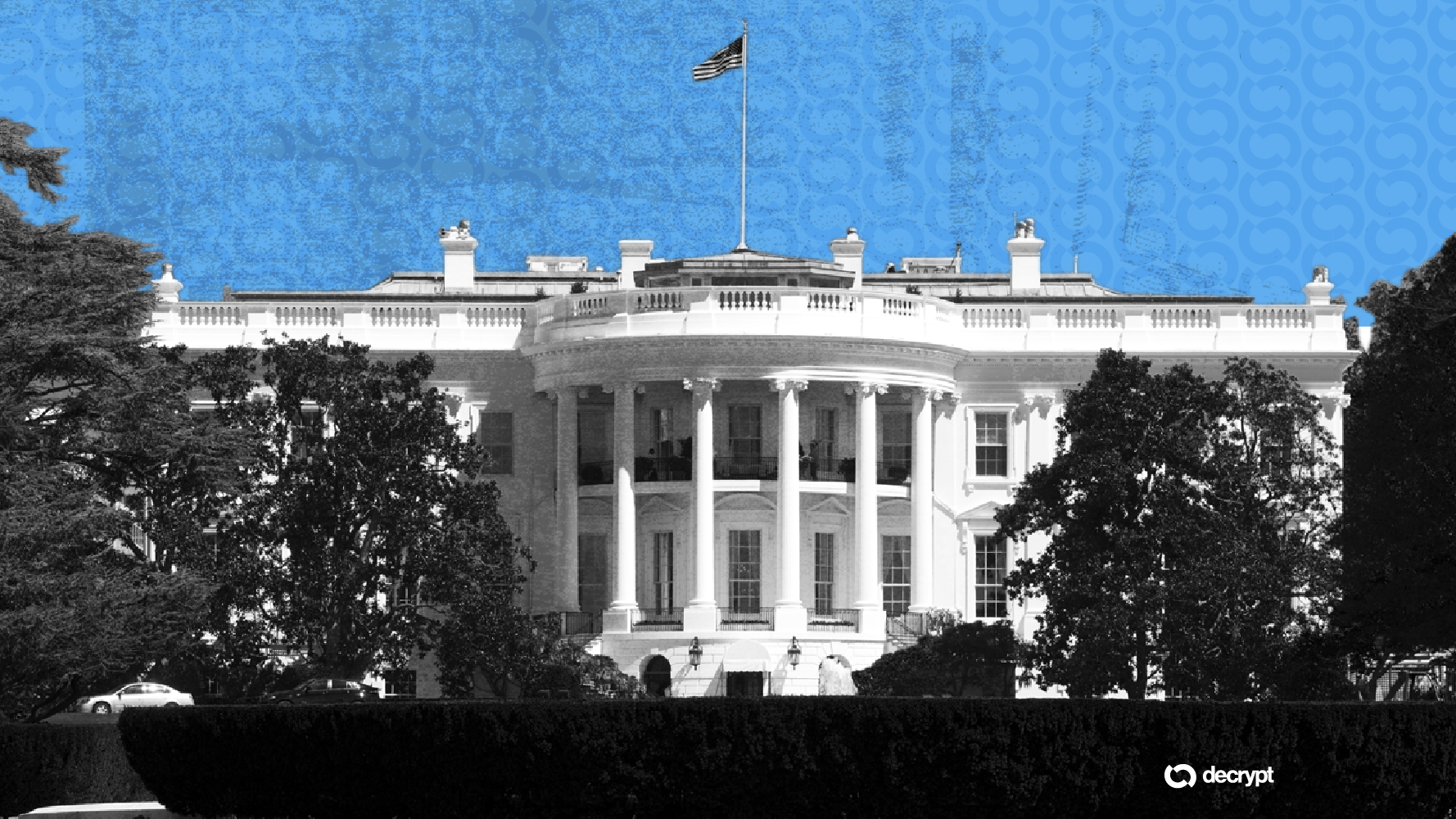
Patrick Witt, crypto adviser at the White House, targets July 4 as the deadline for passage of the Clarity Act, which aims to define regulatory jurisdiction over digital assets. The Senate Banking Committee has scheduled markup sessions this month, creating a tight four-week window in June for floor passage before the July 4 recess.
The Clarity Act represents a major legislative push to establish clear boundaries between the SEC and CFTC's regulatory authority over crypto assets. The bill proposes that assets meeting commodity futures definitions fall under CFTC jurisdiction, while other tokens remain outside SEC securities enforcement. This framework could reshape how tokens like Ethereum, Solana, and thousands of altcoins face regulatory treatment.
Witt's timeline signals White House backing for swift passage, indicating bipartisan momentum around crypto legislation. Senate Democrats and Republicans have shown increased willingness to codify regulatory clarity rather than rely on enforcement actions. Current market conditions have created political appetite for reform, as crypto's institutional adoption grows and staking, DeFi protocols, and tokenized assets gain mainstream attention.
The Stakes matter for on-chain activity. A Clarity Act passage would likely reduce regulatory uncertainty that currently depresses institutional capital deployment. Large exchanges like Coinbase and Kraken have lobbied hard for this framework, arguing current ambiguity stifles innovation and pushes activity offshore.
However, four working weeks represents an aggressive schedule. The Senate must balance competing priorities, and any procedural delays could push passage beyond July 4. If the bill stalls, markets may interpret it as regulatory setback, potentially dampening crypto sentiment heading into summer.
Passage would establish the first comprehensive federal framework governing digital asset classification in the U.S. This would end years of regulatory limbo where the SEC and CFTC operated in overlapping jurisdictions, creating compliance nightmares for exchanges and token projects.
THE BOTTOM LINE: White House pressure for July 4 passage of the Clarity Act signals serious legislative momentum on crypto regulation, but a narrow Senate window means delays remain likely.