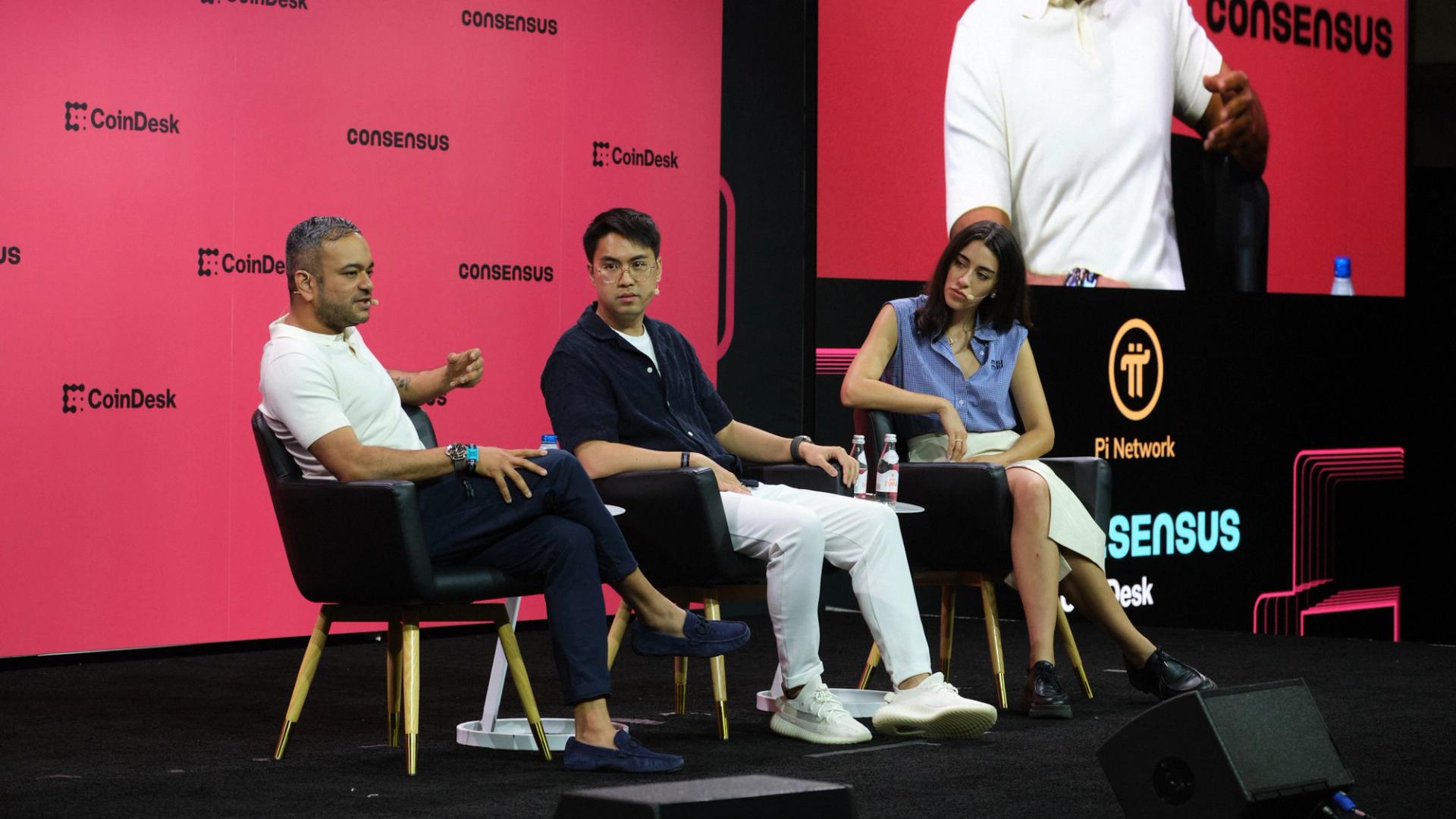
Trust Wallet CEO Felix Fan and Mesh CTO Arjun Mukherjee highlighted at Consensus Miami that artificial intelligence agents are fundamentally reshaping how crypto wallets function. Rather than serving solely as user interfaces for holding and transferring tokens, wallets now require redesign to support autonomous agents executing transactions and managing assets on behalf of users.
The shift reflects a broader industry trend toward agent-based infrastructure. AI agents require different permission models, execution frameworks, and security protocols than traditional wallet designs built for human users. These agents need the ability to interact with smart contracts, approve transactions, and manage portfolios without constant human intervention, pushing wallet developers to rethink their architectures.
Trust Wallet, owned by Binance, and Mesh, a wallet infrastructure platform, recognize that traditional wallet interfaces optimize for manual user control. Agent-enabled wallets must balance automation with security, ensuring agents can execute complex operations while protecting user assets from malicious instructions or exploits.
The wallet redesign addresses practical challenges. Agents need granular permission systems that allow specific contract interactions without granting blanket approval. They require transparent logging of autonomous actions. Settlement speeds must accommodate high-frequency agent decision-making. Recovery mechanisms must work even when autonomous systems make transactions.
This architectural evolution connects to the DeFi protocol layer, where agents might execute yield farming strategies, rebalancing, arbitrage, or liquidation monitoring automatically. It also extends to Web3 gaming and metaverse applications where agents manage in-game assets or execute complex quests.
The conversation at Consensus signals that wallet providers view AI agent integration not as a future consideration but as an immediate development priority. Fan and Mukherjee's comments suggest competitive pressure to build agent-compatible infrastructure before standardized frameworks emerge.
Wallet security becomes paramount as agent capabilities expand. A compromised agent or malicious instruction could drain assets faster than human users could intervene. This dynamic drives demand for advanced auditing tools, time-locked permissions, and circuit breakers that halt agent activity during anomalous behavior.
The wallet redesign represents a transition from user-centric to user-plus-