# Policy at Consensus Miami: State of Crypto
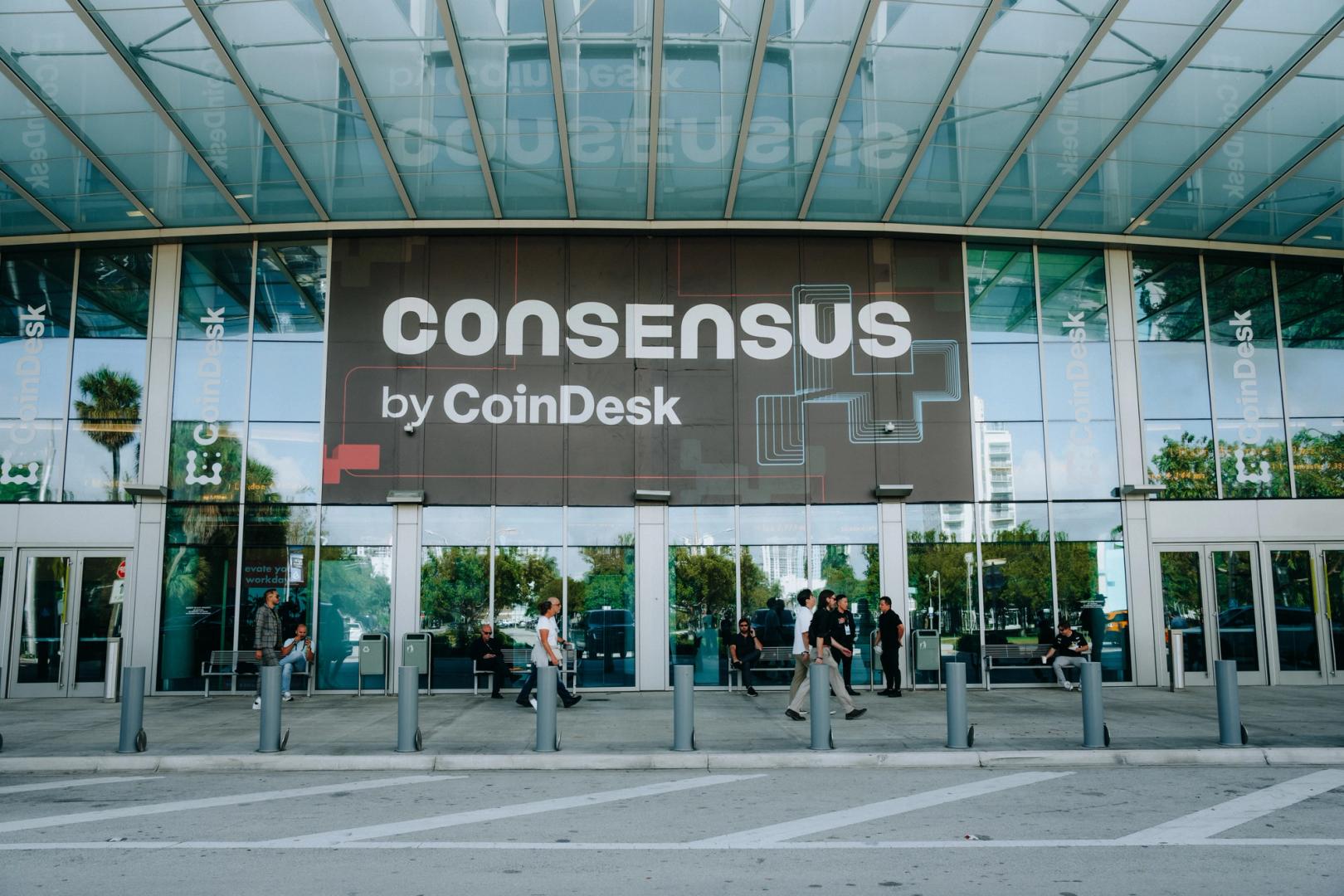
CoinDesk's coverage from Consensus Miami highlighted the current state of crypto policy discussions as industry leaders gathered to assess regulatory trends and market conditions. The event served as a barometer for sentiment among developers, investors, and policy stakeholders navigating an increasingly complex landscape.
Key themes emerged around stablecoin regulation, institutional adoption pathways, and the diverging approaches between jurisdictions. Speakers addressed how recent enforcement actions and proposed legislation continue to shape protocol development and exchange operations. The conference underscored tension between innovation-friendly frameworks and stricter regulatory oversight that different regions are pursuing.
Market dynamics dominated conversations as well. Bitcoin and Ethereum price movements, along with broader altcoin volatility, influenced discussions about retail adoption and institutional entry points. On-chain activity metrics showed mixed signals about network health and transaction volumes across major chains.
Panel discussions touched on licensing requirements for exchanges, custodial standards, and the regulatory status of decentralized finance protocols. Several participants noted that clarity on these fronts remains elusive despite months of legislative deliberation in major markets. The uncertainty continues to impact venture capital deployment and platform expansion decisions.
Consensus Miami reinforced that policy remains a primary driver of crypto market movement. Regulatory announcements often produce sharper price reactions than technical developments or usage metrics. Attendees recognized that the next 12-18 months will prove decisive for how mainstream adoption unfolds across different asset classes and jurisdictions.
The gathering reflected an industry caught between rapid technological advancement and institutional risk aversion. While some jurisdictions move toward comprehensive frameworks, others maintain restrictive stances that push activity offshore. This fragmentation shapes where projects launch, where capital concentrates, and which chains attract developer talent.