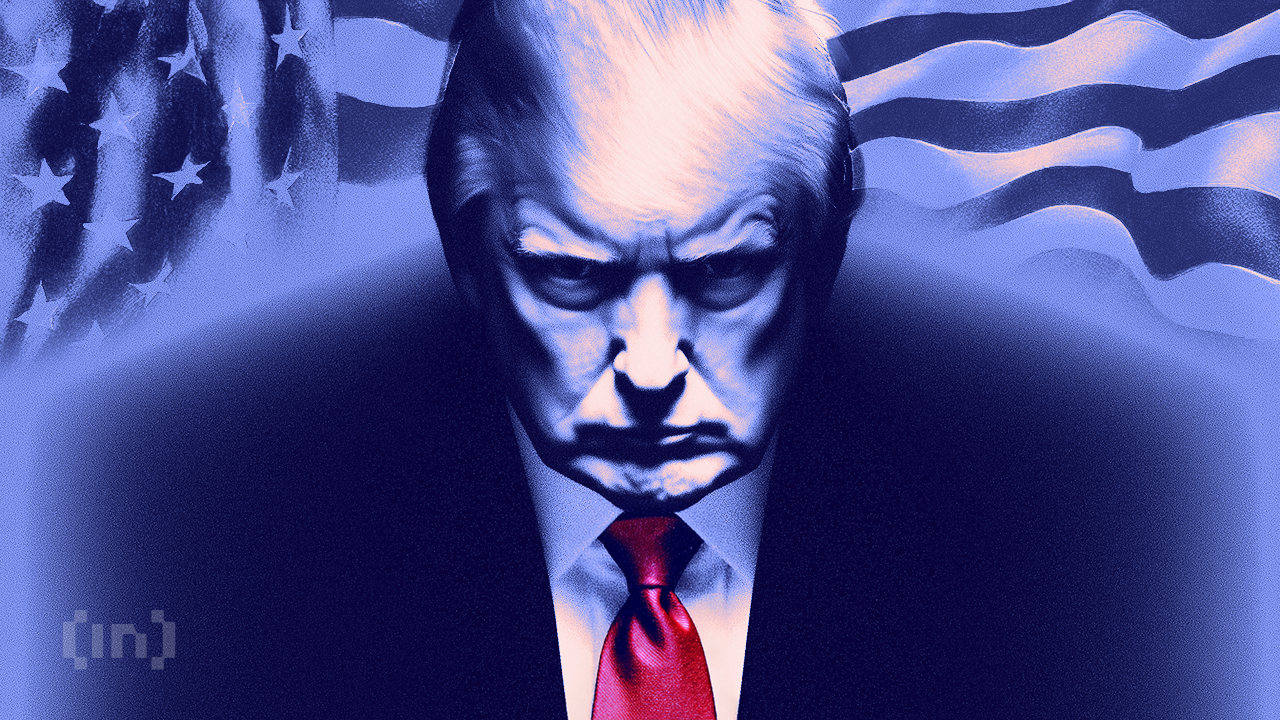
Donald Trump renewed calls for a comprehensive audit of Fort Knox gold reserves during a May 10 interview with Sharyl Attkisson, reviving a longstanding debate about the transparency and verification of US gold holdings. Trump's push for vault inspection marks a return to rhetoric he has championed previously, arguing that the US government should conduct a full accounting of its precious metals stockpile.
The Fort Knox audit question sits at the intersection of monetary policy, national security, and cryptocurrency skepticism. The US Treasury claims to hold approximately 147.3 million ounces of gold at Fort Knox, the depository in Kentucky. No comprehensive independent audit of these reserves has occurred since 1953, a fact that fuels periodic calls for verification from both mainstream politicians and crypto advocates.
Trump's renewed interest in the audit comes amid broader discussions about fiat currency stability and alternative assets. Cryptocurrency advocates have long cited the lack of transparent gold audits as evidence supporting decentralized alternatives to traditional reserve systems. Bitcoin proponents argue that on-chain verification and cryptographic proof-of-reserve offer superior transparency compared to centralized government vaults.
The timing reflects Trump's broader positioning on monetary policy and financial independence. His comments underscore skepticism toward existing financial institutions and their claims about asset holdings, themes that resonate across segments of the crypto community concerned about institutional trust.
An actual Fort Knox audit would require congressional authorization and Treasury Department cooperation. While Trump's call garnered attention, the practical barriers remain substantial. The last formal audit occurred over seventy years ago, and current security protocols around the facility complicate inspection access.
This debate intersects with broader questions about reserve currency stability and the role of alternative assets in diversified portfolios. Whether Trump's pressure generates legislative momentum remains uncertain, but his comments reinforced the ongoing conversation about transparency in traditional financial institutions versus decentralized alternatives.