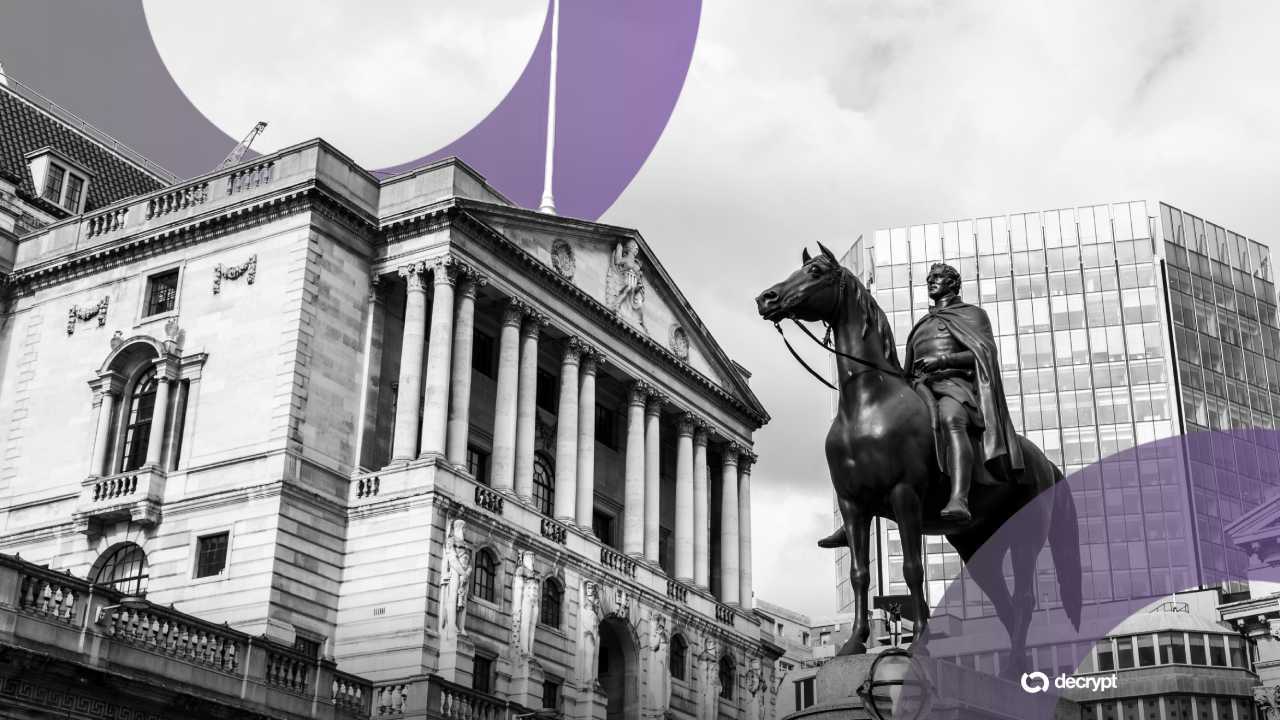
The Bank of England is adopting a neutral stance on stablecoins and tokenized deposits, according to Sasha Mills, an executive at the central bank. Rather than favoring one approach over another, the BoE views stablecoins as an emerging form of money that warrants regulatory framework development.
Mills emphasized that the central bank operates without predetermined preferences between competing technologies. This stance reflects the BoE's pragmatic approach to digital currency innovation as the U.K. financial system evolves. The central bank recognizes stablecoins function similarly to traditional money in certain use cases, particularly for payments and settlement purposes.
The BoE's position arrives as the U.K. explores regulatory pathways for digital assets. Unlike some jurisdictions that have banned or heavily restricted stablecoins, Britain appears open to creating guardrails that allow these tokens to operate safely within the existing financial infrastructure. The central bank's willingness to treat stablecoins as money, rather than speculative assets, represents a meaningful shift in how traditional finance perceives tokenized value.
Tokenized deposits, which represent bank liabilities issued on blockchain networks, continue gaining traction among financial institutions as an alternative settlement method. The BoE's openness to both models suggests the central bank expects multiple approaches to coexist in the future financial system.
This regulatory openness matters for crypto infrastructure developers and stablecoin issuers operating in or targeting the British market. The BoE's acknowledgment that stablecoins constitute money provides legal and policy clarity that had previously been absent. Without such clarity, issuers faced uncertainty about compliance requirements and reserve obligations.
The central bank's balanced approach contrasts with more restrictive postures adopted by other regulators. As tokenized finance expands globally, the BoE's framework could influence how other central banks classify and regulate stablecoins. The path toward mainstream adoption of digital currencies may depend less on technological advancement and more on regulatory bodies accepting stablecoins as legitimate monetary instruments rather than experimental assets.