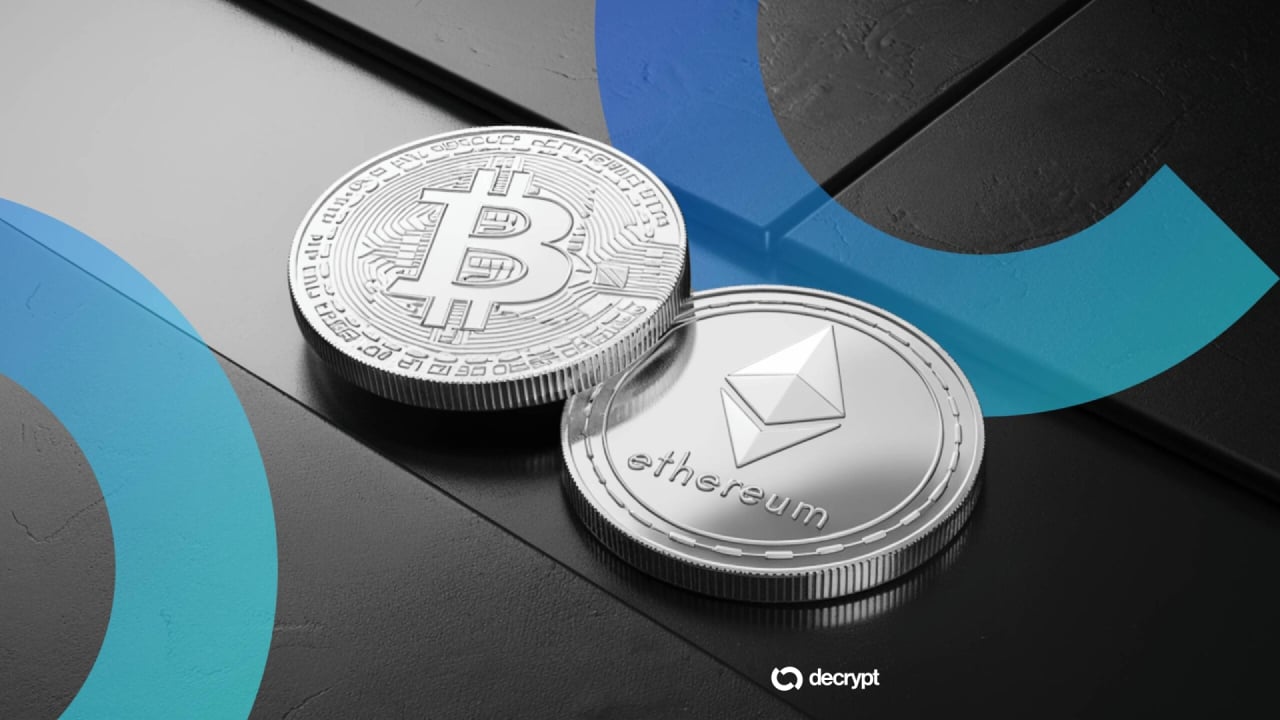
Charles Schwab opened Bitcoin and Ethereum trading to a subset of US customers, marking another major mainstream brokerage embrace of crypto assets. The rollout began with limited access, suggesting a phased approach rather than an immediate platform-wide launch.
This move extends Schwab's existing crypto custody and derivative offerings. The firm already held substantial digital asset positions through its acquisition of TD Ameritrade, which had built out cryptocurrency infrastructure over recent years. Direct spot trading in BTC and ETH represents a natural expansion of that footprint.
Schwab joins a competitive landscape where firms like Fidelity, Charles Schwab's traditional rival, already provide crypto trading and custody. Fidelity's Bitcoin and Ethereum offerings gained traction particularly after the SEC's approval of spot Bitcoin ETFs in January 2024, which legitimized crypto within traditional wealth management.
The timing aligns with broader institutional adoption trends. Bitcoin trades near all-time highs above $95,000, while Ethereum hovers around $3,500. Rising prices and improving regulatory clarity have pushed traditional brokerages to expand crypto offerings. Spot Bitcoin ETF inflows accelerated through 2024, with BlackRock's IBIT and Fidelity's FBTC capturing billions in assets under management.
Schwab's selective rollout suggests the firm is testing infrastructure and compliance frameworks before broader deployment. This approach mirrors how Fidelity and other brokerages handled crypto integration. The phased strategy also allows Schwab to gauge user demand and gather operational feedback.
The development signals ongoing mainstreaming of digital assets within wealth management. Brokerages now compete on crypto offerings as part of comprehensive investment platforms. For retail investors, expanded access through legacy brokers reduces friction. They can manage traditional stocks, bonds, and now crypto within single accounts.
Schwab's move reinforces that crypto is no longer peripheral to finance. Institutional players continue building infrastructure and products around Bitcoin and Ethereum. As regulatory frameworks solidify and adoption metrics improve, expect additional brokerages to launch similar offerings.