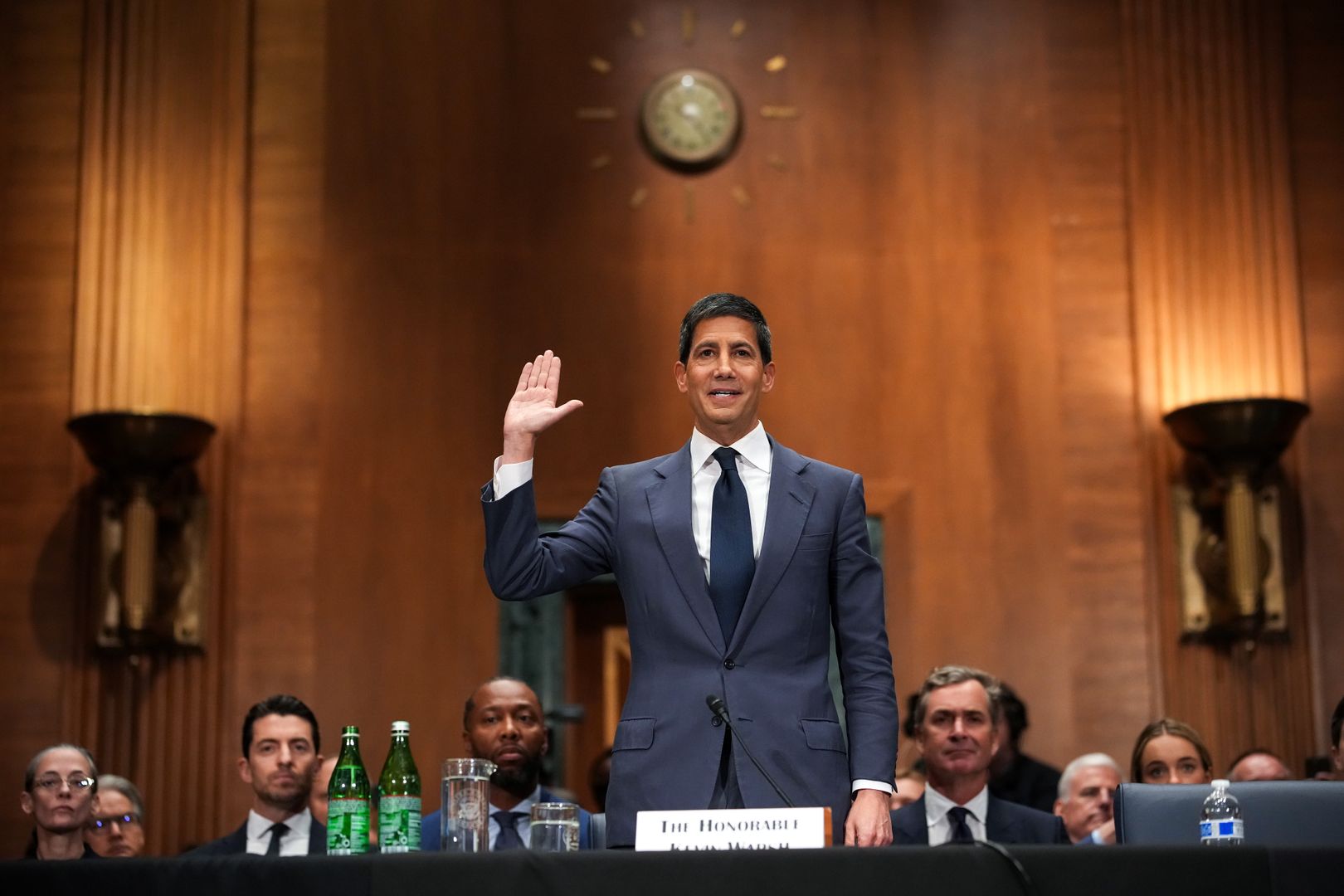
Kevin Warsh cleared Senate confirmation for the Federal Reserve Board, positioning the crypto-friendly investor as a potential successor to Chair Jerome Powell. The vote advances Warsh toward a possible chair nomination as the Fed navigates inflation management and digital asset regulation.
Warsh brings a pro-crypto stance to the central bank's leadership ranks. He has publicly backed blockchain technology and cryptocurrency innovation, contrasting with Powell's cautious approach to digital assets. His appointment signals potential shifts in how the Fed addresses stablecoin regulation, central bank digital currencies, and the broader crypto ecosystem.
The timing matters. Inflation remains elevated, and Powell's term as chair expires in 2026. Republican leadership has signaled interest in elevating Warsh to the top Fed role, which would require another Senate confirmation vote. His existing board seat removes a major obstacle to that pathway.
Warsh's crypto credentials run deep. The former Fed governor and hedge fund manager has invested in digital asset projects and spoken positively about blockchain's potential to reshape finance. His presence on the board could reshape the Fed's approach to crypto regulation, moving away from Powell's emphasis on financial stability concerns toward a more innovation-focused framework.
The confirmation comes as Congress increasingly scrutinizes Fed policy on cryptocurrencies. Stablecoin regulation remains unsettled, and the Fed's stance on CBDC development continues to evolve. Warsh's influence could accelerate pro-crypto policies within the central banking system.
Markets have tracked Warsh's ascent closely. His appointment reflects broader political realignment toward digital assets, particularly among Republican leadership that views crypto as a strategic economic asset. Bitcoin and major altcoins typically respond positively to pro-crypto regulatory signals from Washington.
Warsh's board seat represents a structural advantage for crypto advocates within the Fed's decision-making apparatus. Whether he advances to chair depends on future political dynamics and economic conditions, but his confirmation represents a meaningful victory for the crypto industry's Washington presence.