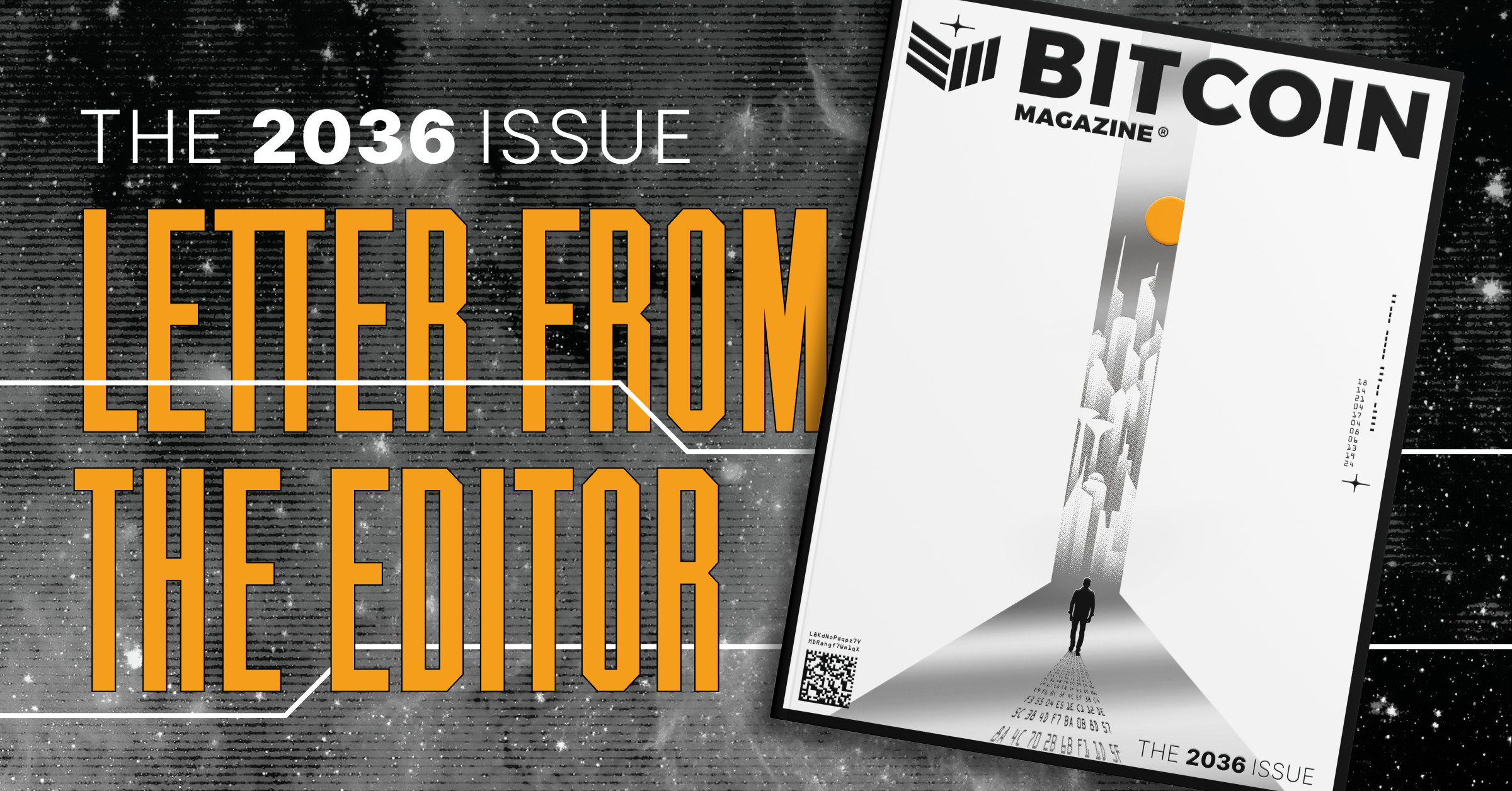
Bitcoin Magazine's editorial team publishes a forward-looking analysis examining the landscape Bitcoin and cryptocurrency face heading into 2036. The piece frames the next decade as a critical period for the ecosystem, identifying both structural challenges and emerging opportunities that will shape adoption and protocol development.
The editorial approaches 2036 as a pivotal inflection point. Over the past decade, Bitcoin evolved from fringe technology to institutional asset class, with major corporations and funds now holding substantial reserves. The coming ten years will test whether this infrastructure holds during market cycles, regulatory pressure, and technological competition.
Key themes emerge around protocol scalability, regulatory clarity, and energy infrastructure. As Bitcoin's block subsidy continues its programmed halving trajectory, network security increasingly depends on transaction fees and fee markets. Layer two solutions like Lightning Network face real-world adoption hurdles. Simultaneously, jurisdictions worldwide establish frameworks governing custody, trading, and taxation of digital assets. Some regions pursue Bitcoin-friendly policies while others tighten restrictions.
The editorial notes that Bitcoiners control certain variables. Technical development velocity remains high across layer one improvements and second-layer protocols. Community advocacy shapes regulatory outcomes in key markets. Mining operations continue optimizing for renewable energy, addressing environmental concerns that influence institutional adoption.
Bitcoin's price trajectory through 2036 remains speculative, though historical patterns suggest halving events and macroeconomic shifts will drive volatility. The stock-to-flow model and on-chain metrics offer frameworks for analysis, though black swan events regularly defy predictions.
The 2036 Issue functions as a planning document for the Bitcoin ecosystem. It acknowledges that the next decade differs fundamentally from Bitcoin's first fifteen years. Network effects already exist. Institutional capital participates. Nation states actively monitor and regulate. These realities shape which challenges matter most and which opportunities matter least.