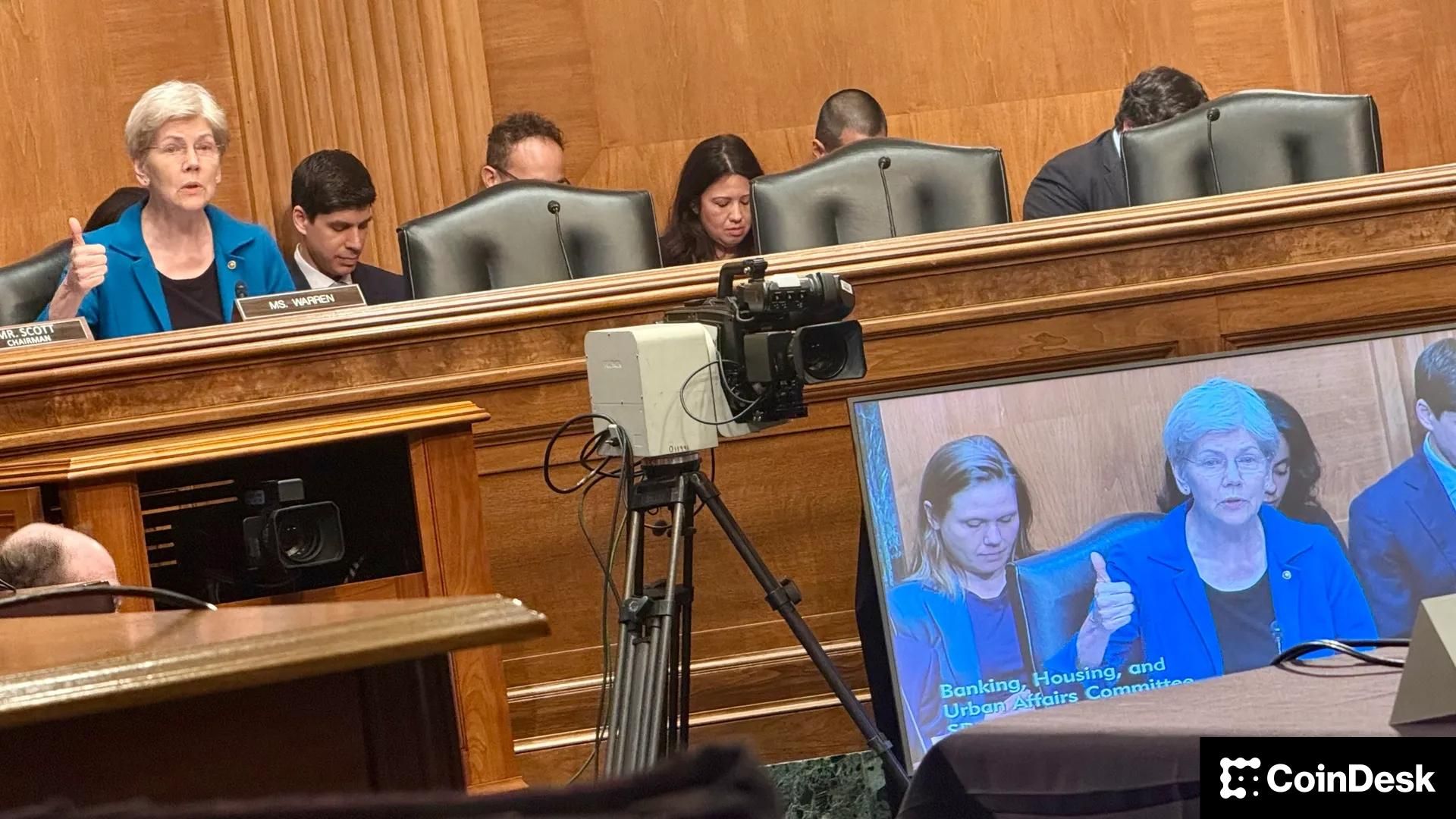
Senate lawmakers are weighing dozens of amendments to the Clarity Act ahead of an upcoming hearing, with proposed changes targeting the bill's core provisions on market structure and regulatory jurisdiction.
The amendments represent competing interests within Congress. Some focus on narrowing the SEC's authority over digital assets, while others expand requirements for stablecoin issuers and clarify oversight gaps between the SEC and CFTC. The bill, which defines crypto assets and their regulatory treatment, faces pressure from both industry groups seeking lighter regulation and lawmakers concerned about consumer protection gaps.
Key sticking points center on custody rules, decentralized finance exposure, and whether certain tokens should fall under commodity or security classification. Industry players like major exchanges and crypto firms have lobbied for provisions that limit retroactive enforcement actions, while consumer advocates push for stricter disclosure and consumer protection standards.
The amendment battle reflects deeper divides. Some proposals would exempt certain decentralized protocols from oversight entirely, while others would strengthen stablecoin reserve requirements and reserve backing language. The CFTC versus SEC jurisdictional split remains contentious, with amendments seeking to clarify which regulator controls different asset classes.
Passage prospects remain unclear. Republicans and Democrats disagree on regulatory approach, and the amendments could either streamline the bill or derail it entirely if competing factions cannot reach compromise. The hearing will test whether lawmakers can build consensus around market structure rules that satisfy both crypto innovation advocates and consumer protection advocates.
The Clarity Act represents Congress's most substantive effort to provide digital asset market structure guidance since crypto's regulatory vacuum became untenable. Success depends on resolving amendment disputes before floor consideration, and observers expect the hearing to reveal whether a workable compromise exists or whether fundamental disagreements run too deep.