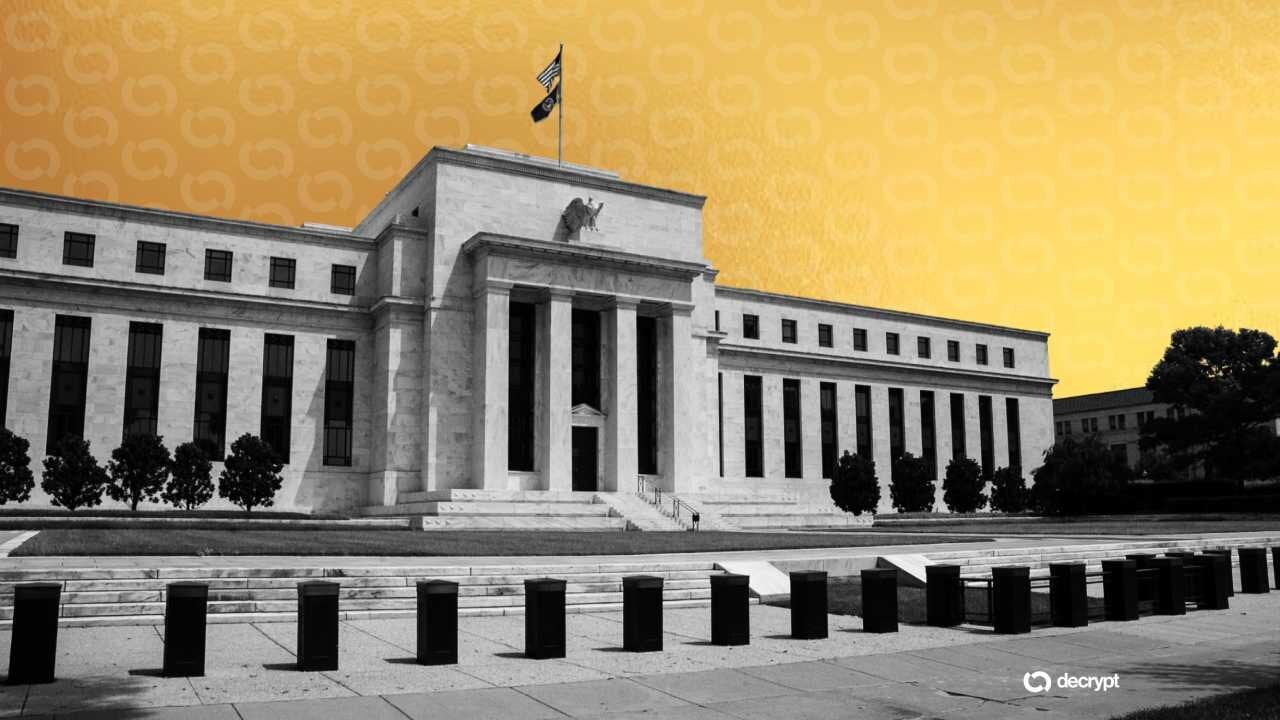
Kevin Warsh secured confirmation as Federal Reserve Chair on Wednesday, replacing Jerome Powell under President Donald Trump's administration. Warsh brings a markedly different stance on cryptocurrency regulation compared to Powell's cautious approach.
The former Federal Reserve governor, who served under Ben Bernanke, has positioned himself as crypto-friendly throughout his career. Warsh previously worked as an investment banker at Morgan Stanley and later founded Warsh Investment Partners, giving him substantial private sector experience absent from Powell's background.
Warsh's confirmation marks a potential inflection point for Fed policy toward digital assets. Powell's tenure emphasized regulatory caution and coordination with banking regulators on stablecoin oversight. Warsh has signaled openness to blockchain technology and cryptocurrency innovation, suggesting the Fed may take a less antagonistic posture toward the sector.
The change arrives amid significant developments in crypto regulation. Bitcoin ETFs launched in the U.S. in 2024, garnering institutional flows and legitimizing the asset class. Ethereum and other cryptocurrencies continue navigating unclear regulatory frameworks. Stablecoin regulation remains contested between the Fed and Congress.
Warsh's appointment could influence how aggressively the Fed pursues digital dollar research and how it coordinates with the SEC and CFTC on crypto oversight. His pro-innovation stance may accelerate conversations around clearer regulatory frameworks rather than blanket restrictions.
The confirmation happened as Bitcoin traded around elevated price levels following Trump's election victory and various pro-crypto policy signals from his incoming administration. Warsh's leadership adds another pro-crypto voice to Trump's policy apparatus, alongside Commerce Secretary pick Marco Rubio and other cabinet members signaling openness to the sector.
Warsh's confirmation timing matters for the crypto market. The Fed Chair position influences monetary policy, interest rate decisions, and regulatory priorities affecting financial markets broadly. A Fed leadership more receptive to blockchain technology and digital assets could shift the regulatory narrative from prohibition toward measured integration.