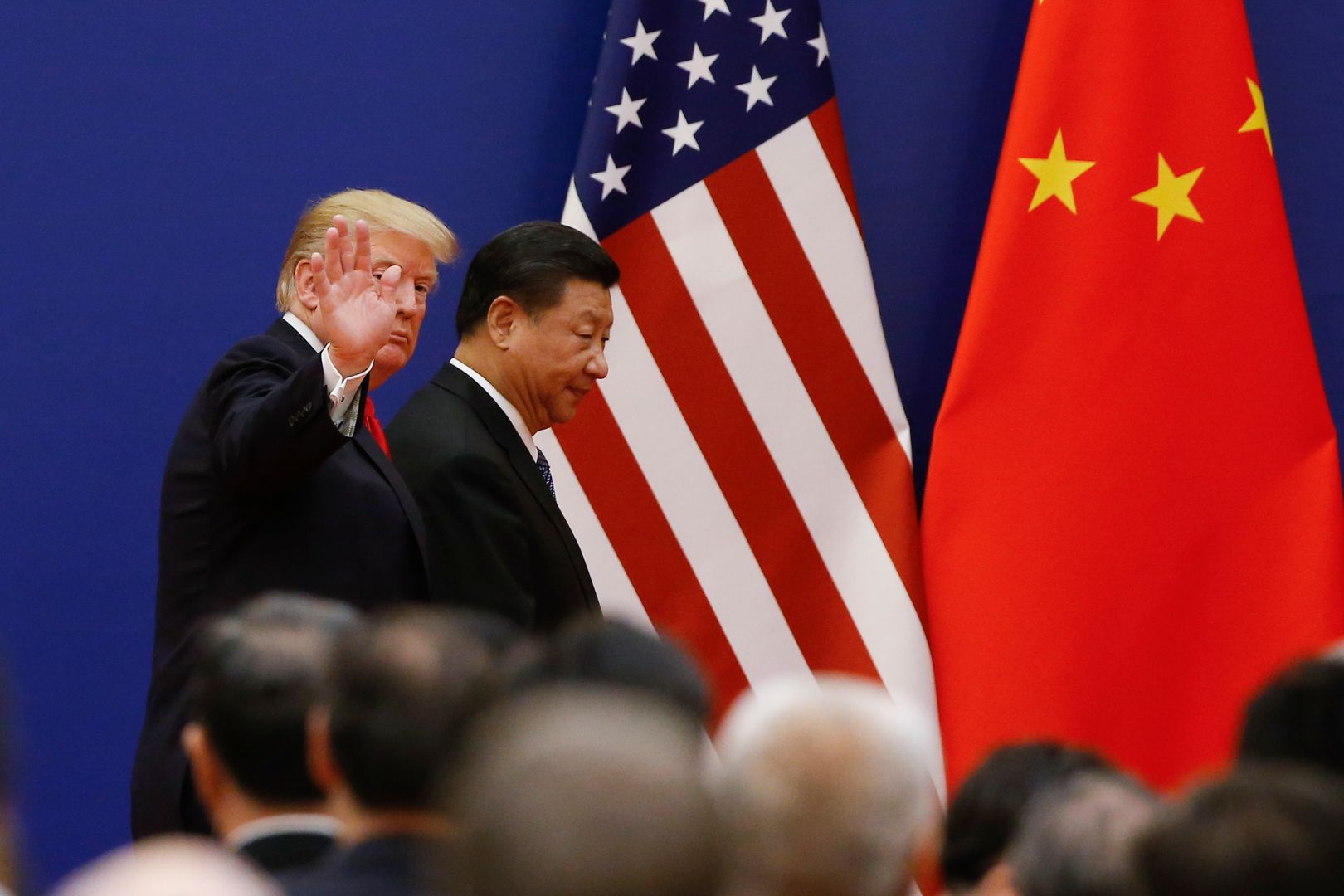
Bitcoin fell below $80,000 following geopolitical tensions between the U.S. and China. Chinese President Xi Jinping issued a direct warning to Donald Trump about potential conflict over Taiwan, marking a significant escalation in diplomatic rhetoric during Trump's first presidential visit to China in nearly a decade.
The warning coincided with a broad crypto market pullback. Bitcoin dropped to sub-$80,000 levels, while Solana declined 5% in the same session. The price action reflects growing risk-off sentiment across risk assets as investors reassess exposure amid heightened geopolitical uncertainty.
The Taiwan warning carries material weight for crypto markets. A U.S.-China confrontation over the island would disrupt supply chains critical to semiconductor production, a sector that underpins mining hardware and broader economic stability. Market participants often reduce exposure to volatile assets like crypto during periods of elevated geopolitical risk, triggering selling pressure across major tokens.
Solana's 5% decline underperforms Bitcoin's drop, suggesting SOL holders trimmed positions more aggressively. The layer-1 blockchain has shown sensitivity to broader macro conditions, particularly when risk appetite contracts. SOL trades with higher beta relative to Bitcoin during periods of systemic uncertainty.
The confluence of diplomatic escalation and crypto weakness highlights how geopolitical developments now directly influence digital asset pricing. Trump's trip to China, intended as a diplomatic bridge-building exercise, instead produced hardened rhetoric on Taiwan. Markets interpreted this as a negative signal for near-term risk appetite.
Bitcoin's break below $80,000 tests key support levels established over recent weeks. The level carries psychological significance and marks a potential reversal point for medium-term momentum. On-chain metrics will provide clarity on whether the move reflects retail capitulation or strategic accumulation by institutional players at lower prices.