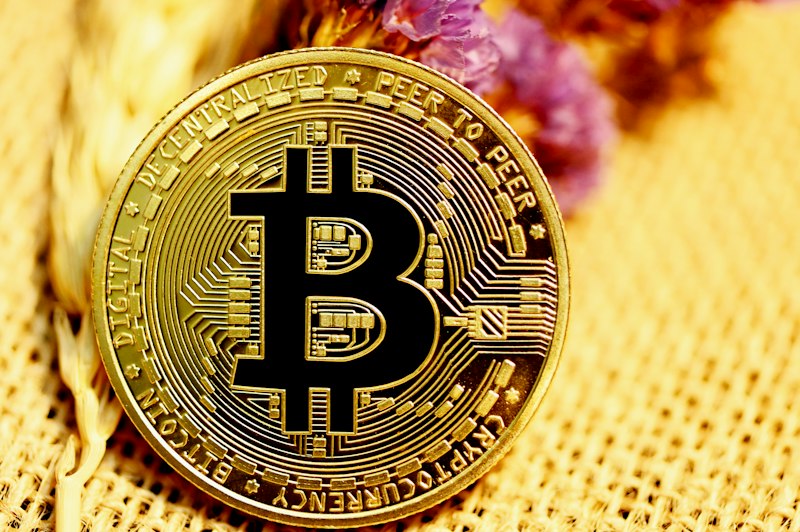
Geopolitical tensions between the US and Iran are pushing Federal Reserve officials toward maintaining elevated interest rates through 2026, creating a headwind for crypto assets and risk markets broadly. Inflation concerns stemming from potential supply chain disruptions and energy price volatility from Middle East conflict are cementing expectations for a pause in rate cuts.
The Fed's current stance shifts the macro backdrop for Bitcoin and altcoins. Higher rates reduce liquidity appetite and increase the opportunity cost of holding non-yielding assets. BTC and ETH have historically traded inversely to real yields and Fed tightness. With rate cuts delayed, the tailwind that powered crypto's 2024 rally faces reversal.
Energy markets directly tie to geopolitical risk. Crude oil spikes from Iran escalation feed inflation data the Fed watches closely. Core PCE and CPI remain sticky above target, giving Powell and colleagues cover to hold the fed funds rate steady. Market pricing now reflects near-zero probability of cuts in Q1 2026, a sharp reversal from late 2024 expectations.
For on-chain activity, sustained high rates typically compress valuations. Altcoins sensitive to risk sentiment and cheap leverage face pressure. DeFi protocols dependent on yield farming and liquidity mining see reduced capital inflows when Treasury bills and money market funds offer 4-5 percent risk-free returns.
Bitcoin's narrative as an inflation hedge remains intact, but the inflation-plus-geopolitical-risk combination is messier. Markets price in stagflation risk. Precious metals and defensive equities outperform. Crypto's correlation to risk assets dominates its inflation beta in the near term.
Institutional flows reflect this caution. Bitcoin ETF inflows slowed in early January as geopolitical risk spiked and Fed speakers reaffirmed hawkish bias. A sustained higher-for-longer rate regime squeezes yield-dependent traders and forces capitulation among leveraged longs.
The 2026 outlook hinges on whether Iran tensions deescalate and inflation data breaks decisively lower. Without both, the Fed stays pin