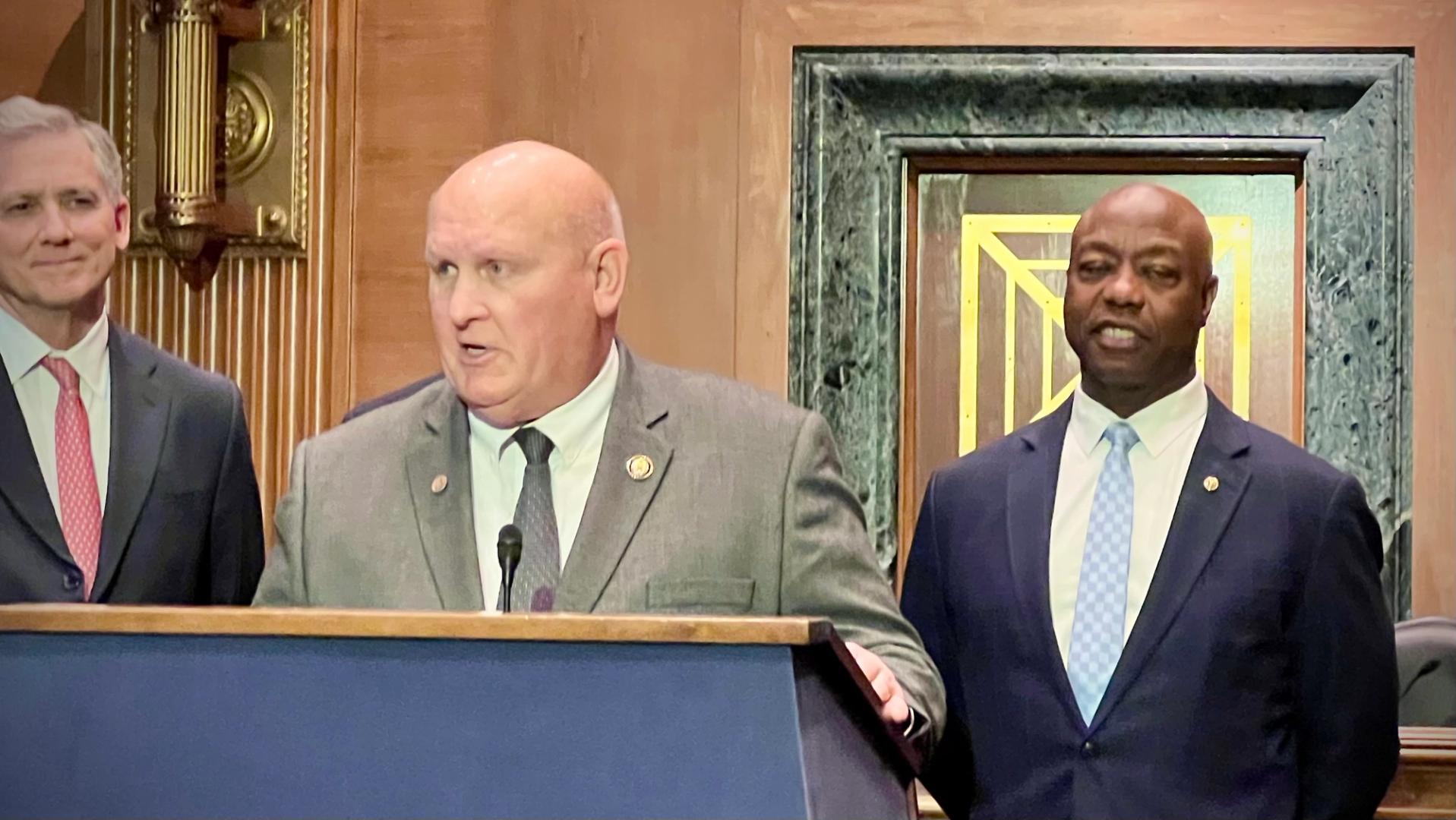
The House Agriculture Committee, which oversees the Commodity Futures Trading Commission, has urged President Trump to appoint leadership to the regulator as cryptocurrency trading oversight expands across American markets.
The call reflects escalating pressure on the CFTC to manage digital asset regulation alongside its traditional derivatives mandate. Bitcoin and other tokens have grown into trillion-dollar asset classes, with spot Bitcoin ETF inflows approaching $100 billion since approval last year. Trading volume on crypto derivatives platforms now dwarfs traditional futures markets on certain metrics.
House lawmakers emphasized the need for bipartisan CFTC leadership to navigate the politically charged landscape surrounding digital assets. The commission has existing authority over crypto derivatives under the Commodity Exchange Act, but regulatory gaps remain around spot crypto trading and stablecoin issuance.
CFTC Chair Christy Goldberg's tenure ended in June 2024, leaving the agency without permanent leadership during a critical period. The commission chair position requires Senate confirmation, and vacancies across its five commissioner seats have hampered the agency's ability to vote on new rules and enforcement actions.
Trump's administration enters office with rhetoric favorable to crypto innovation, contrasting sharply with the Biden-Harris administration's stricter stance. The CFTC appointment signals political importance, as the chosen leader will shape how aggressively the agency pursues enforcement against exchanges and protocols versus adopting a lighter regulatory touch.
The House Agriculture Committee pointed to pending CFTC rulemakings on digital commodity definitions, surveillance-sharing agreements with exchanges, and position limits on crypto derivatives. These decisions require full commission participation and bipartisan consensus to avoid legal challenges and industry backlash.
Faster CFTC staffing could accelerate regulatory clarity for major players like CME Group, which operates Bitcoin and Ethereum futures contracts, and for decentralized exchanges facing scrutiny over whether they qualify as regulated trading venues.