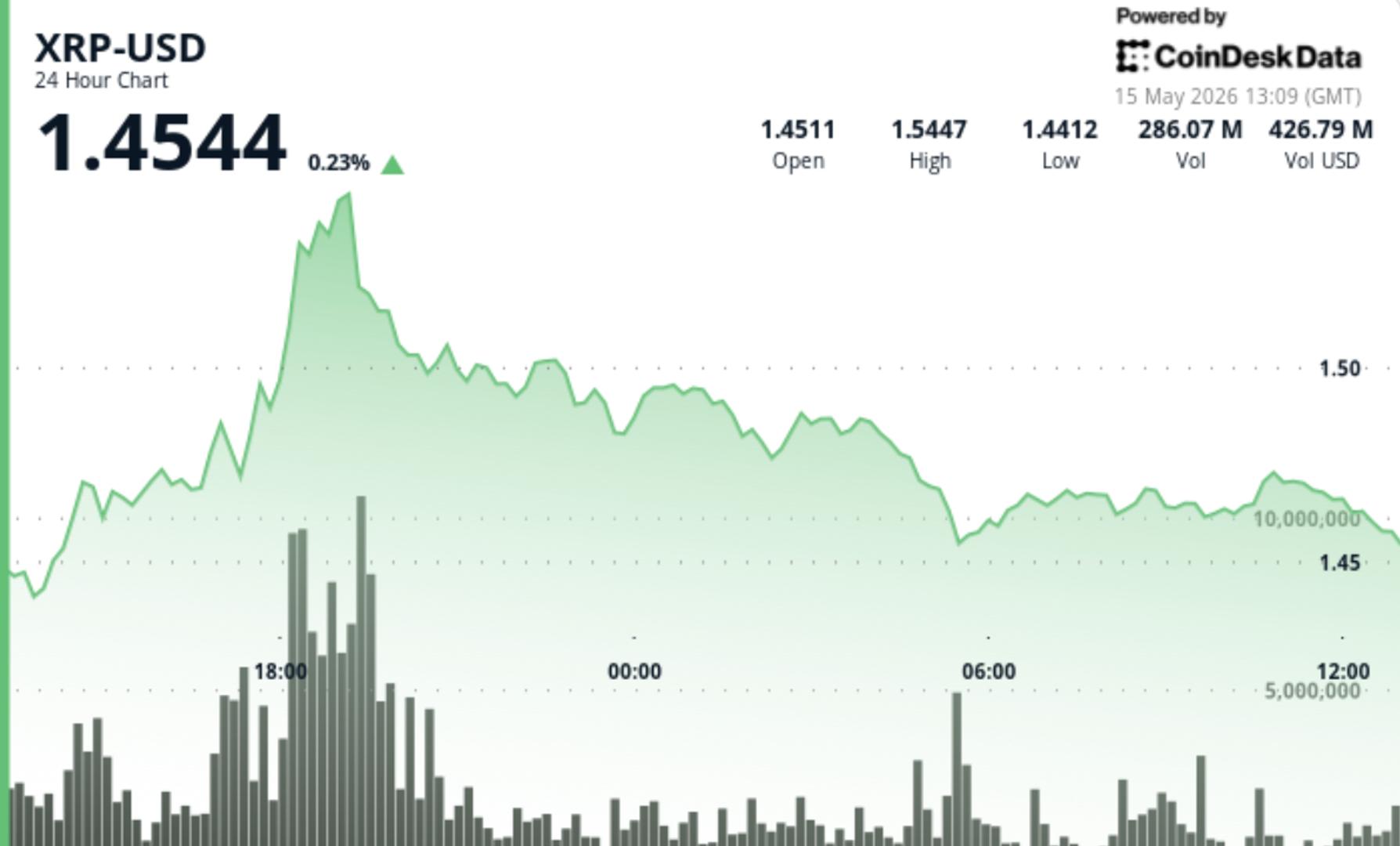
XRP surged 5% on expectations surrounding a Senate crypto bill that would clarify the token's regulatory classification, but bulls failed to sustain the momentum as the asset retreated below key resistance levels.
The rally emerged ahead of a pivotal Senate vote on legislation that would formally designate XRP as a commodity rather than a security. This classification carries massive weight for Ripple and XRP holders, potentially removing regulatory overhang that has plagued the token since the SEC's 2020 lawsuit against the company.
Derivatives traders positioned aggressively for the vote. Open interest and futures volume spiked as market participants bet on continued upside, viewing commodity status as a path to institutional adoption and exchange listings currently restricted by security classification concerns. However, the initial momentum fizzled as XRP encountered overhead resistance, suggesting profit-taking or seller interest at elevated levels.
The timing proved critical. XRP has traded within a defined range for months while regulatory clarity remained uncertain. A Senate vote formalizing commodity status would represent a watershed moment for the token and Ripple's business prospects. The company has long argued that XRP operates independently from Ripple Labs, supporting the commodity narrative rather than security classification.
Despite the failed breakout, the derivatives activity pointed to genuine conviction among sophisticated traders. Sustained elevated futures volume typically precedes sustained price moves, even if short-term pullbacks occur. The gap between initial rally enthusiasm and subsequent consolidation suggested profit-taking rather than fundamental rejection of the regulatory catalyst.
XRP now faces a critical test. Holding above support levels while awaiting formal Senate action will determine whether the commodity classification narrative gains traction with retail and institutional buyers. A successful vote could reignite buying pressure and finally break the token above multi-month resistance zones. Conversely, legislative delays or unfavorable amendments could trigger renewed selling pressure.
The token remains sensitive to regulatory developments. Any concrete movement on the Senate bill will likely drive outsized volatility across XRP and the broader digital asset derivatives complex.