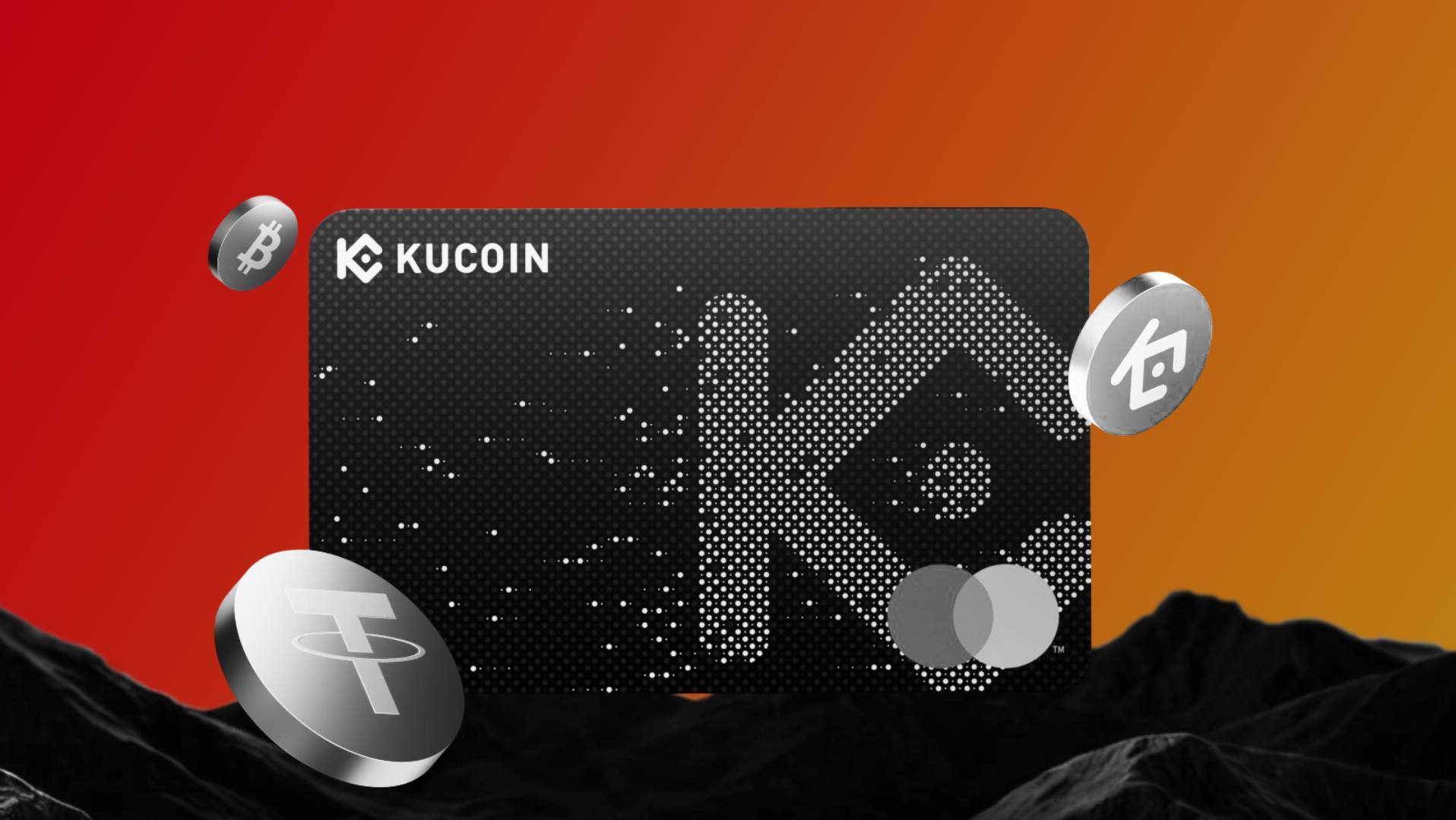
KuCoin Australia expanded its payments infrastructure with a Mastercard-enabled debit card called KuCard, allowing users to spend USDC directly at merchants accepting Mastercard. The rollout demonstrates the exchange's pivot toward regulatory compliance and real-world utility in mature markets.
The KuCard integrates USDC stablecoin balances directly into a payment rail, eliminating conversion friction for Australian users. Holders can transact at Mastercard's global merchant network without exiting crypto assets to fiat first. The move mirrors similar initiatives from competitors like Crypto.com and Coinbase, which have launched card products to bridge on-ramp and off-ramp inefficiencies.
KuCoin framed the launch as part of "Evolution," a broader strategy centered on regulatory approval and institutional partnerships. The exchange has faced scrutiny in multiple jurisdictions, including the U.S., where the SEC has challenged its compliance posture. Australia represents a less adversarial regulatory environment compared to American markets, making it a testing ground for compliant product expansion.
The timing reflects broader sector momentum. Stablecoin adoption accelerates as payment infrastructure matures. USDC, issued by Circle, maintains its position as the preferred on-ramp stablecoin for regulated entities. Mastercard's willingness to partner with crypto exchanges signals institutional acceptance of blockchain-native assets, though payment card networks remain cautious about direct crypto exposure.
KuCoin's Australian expansion carries strategic weight. The exchange ranked among top-five global venues by trading volume before regulatory pressure, but has lost ground to jurisdictions with clearer rules. Card products generate native revenue while deepening user engagement. Australia's regulatory framework, overseen by ASIC and governed by the Anti-Money Laundering Act, provides approval pathways that U.S. competitors cannot easily access.
The KuCard launch underscores a wider shift. Mature exchanges now compete on compliance, payment rails, and institutional features rather than leverage and exotic derivatives. For KuCoin, regulatory rehabilitation matters. The Australia play tests whether the exchange can operate profitably