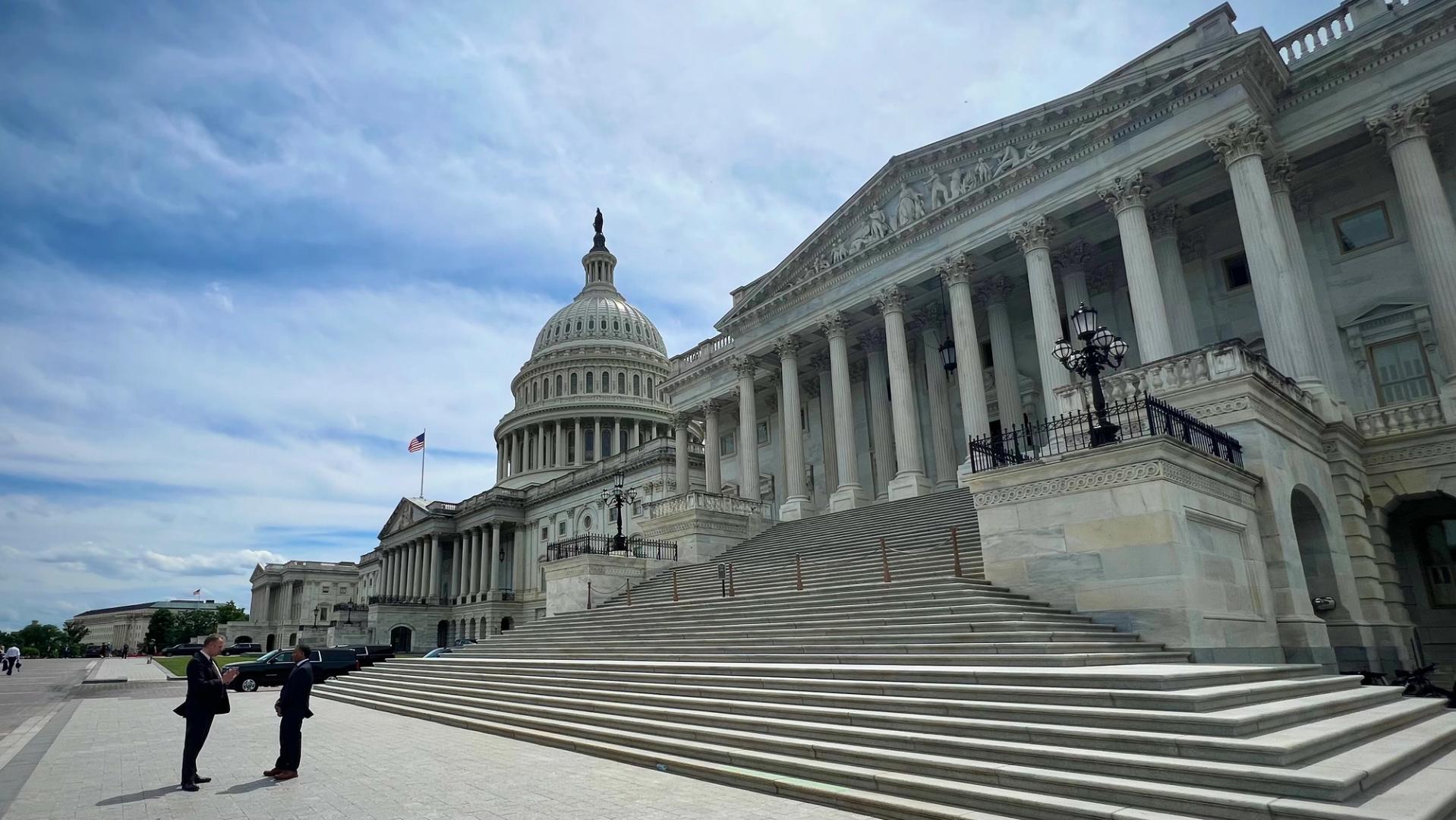
The Clarity Act advanced through a contentious House markup session Thursday, bringing legislative clarity on crypto regulation closer to reality. The bill, which establishes federal framework for digital asset classification and stablecoin oversight, faced pushback from both progressive and conservative lawmakers during debate.
Key sticking points centered on whether the legislation sufficiently protects consumers and addresses environmental concerns tied to proof-of-work mining. Progressive members raised objections to provisions they viewed as too permissive toward industry players, while some conservatives argued the framework imposed unnecessary burdens on innovation.
The markup session produced amendments addressing stablecoin reserve requirements and custody standards. Lawmakers debated language around which agencies would oversee different asset classes. The SEC and CFTC jurisdiction split remained contested, with disagreement over whether commodities classification should apply broadly to tokens or only specific use cases.
Industry observers watched closely as the committee shaped language that could determine how exchanges list tokens, how custodians hold assets, and how stablecoin issuers operate going forward. The bill's trajectory matters for market structure. Clearer federal rules could reduce state-level fragmentation that currently complicates compliance for platforms like Coinbase and Kraken.
Thursday's debate revealed persistent tensions in Congress over crypto's role in financial markets. Some members emphasized innovation benefits and competitive positioning against overseas crypto hubs. Others stressed consumer protection gaps and fraud risk in unregulated token offerings.
The vote to advance the bill out of committee signals enough bipartisan support to move toward floor consideration, though final passage remains uncertain. Amendments adopted during markup could shift the bill's impact on token issuers, DeFi protocols, and trading platforms.
The Clarity Act represents an attempt to replace the current patchwork approach where the SEC, CFTC, and FinCEN all assert jurisdiction without clear statutory boundaries. Passage would establish a single federal rubric rather than forcing industry participants to navigate conflicting regulatory interpretations.
Next steps include potential floor debate and amendments. Market participants await final language that determines baseline compliance obligations.