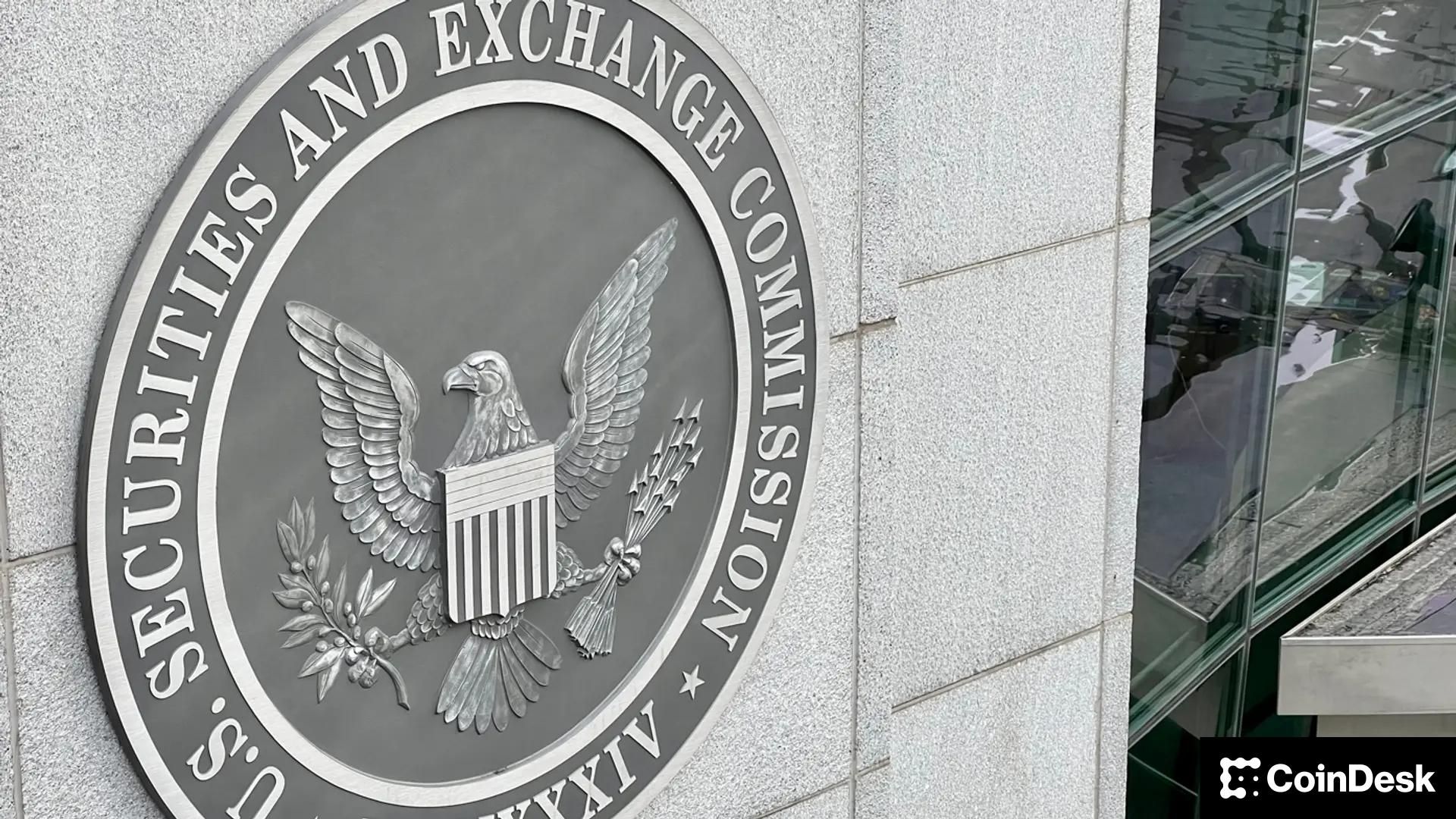
The SEC is proposing sweeping changes to public listing requirements, marking the agency's largest regulatory overhaul in over two decades. The rule changes would dramatically reduce compliance burdens for newly public companies and create a faster, cheaper pathway for crypto firms to raise capital on traditional markets.
The proposal streamlines disclosure requirements and accelerates the process for companies to access public markets. Newly listed firms would gain faster access to capital markets without navigating the lengthy, expensive compliance frameworks that currently govern IPO launches. This directly benefits cryptocurrency and blockchain companies seeking liquidity on Wall Street.
The timing matters. Crypto firms have faced regulatory uncertainty and market skepticism from traditional finance institutions. This SEC move signals a shift toward reducing barriers for digital asset companies pursuing public listings. Lower compliance costs mean startups can allocate resources toward product development rather than legal fees. The streamlined process compresses timelines from months to weeks.
The overhaul addresses structural inefficiencies in a listing system designed decades ago, before modern markets operated at current speeds. Current rules require extensive pre-launch reviews and documentation cycles that were appropriate for slower market conditions but now slow capital formation unnecessarily.
Crypto companies represent an obvious beneficiary class. Projects seeking institutional-grade liquidity can now pursue public markets with less friction than alternative fundraising routes like private placements or direct listings. The rule change removes friction that previously made traditional public markets less attractive than private fundraising for emerging companies.
The SEC's move reflects broader recognition that outdated listing rules stifle innovation and competitiveness. By cutting red tape, the agency enables faster capital deployment and allows markets to price new companies more efficiently. For crypto firms specifically, this removes a significant regulatory friction point that has historically pushed them toward private markets or international exchanges.
This represents a rare regulatory win for the crypto industry, coming from an agency often seen as restrictive toward digital assets. The proposed changes demonstrate appetite for modernizing financial infrastructure to accommodate emerging sectors.