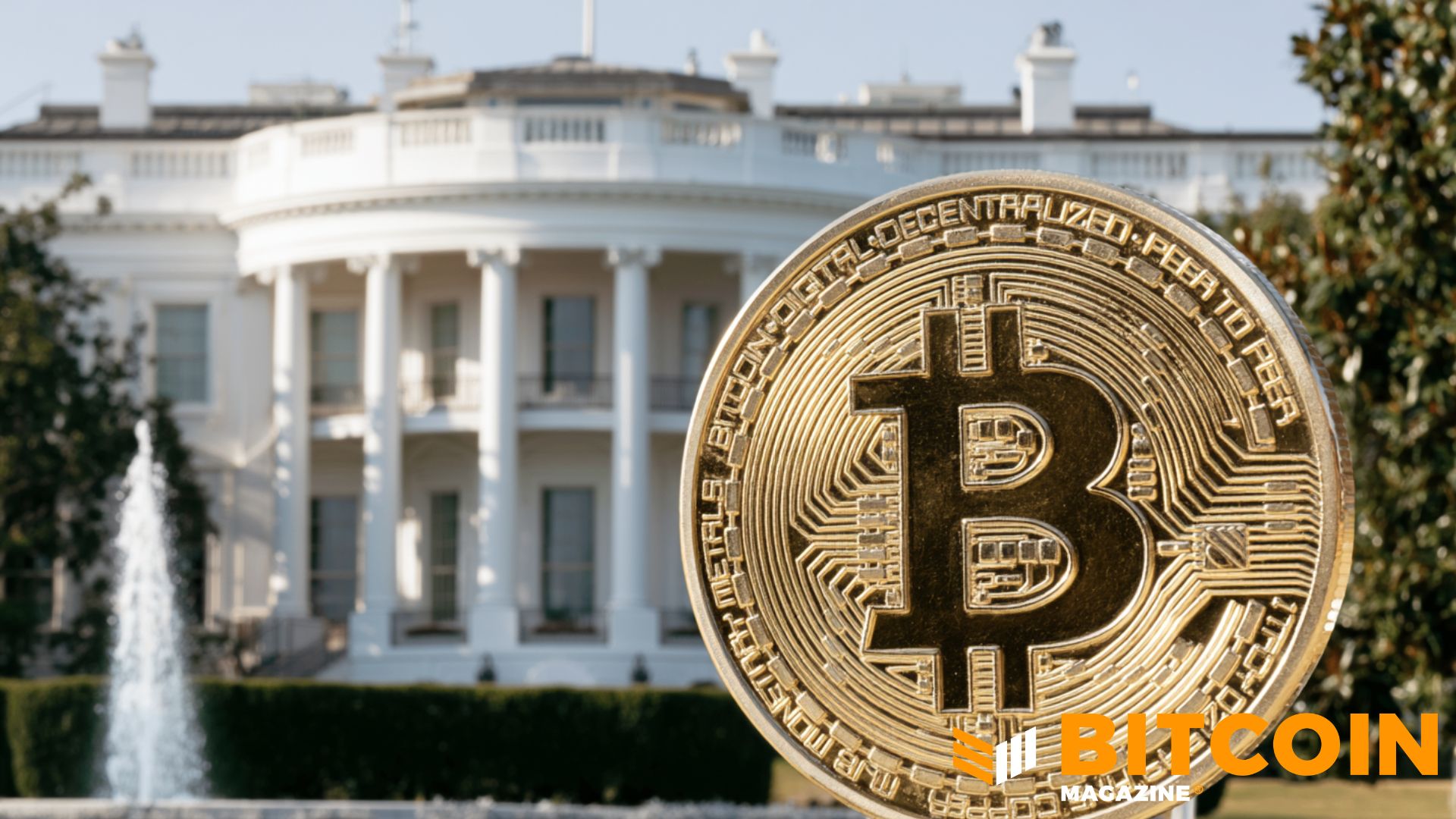
The White House is preparing to announce a U.S. Strategic Bitcoin Reserve, marking a watershed moment for crypto's role in federal policy. Patrick Witt, a White House advisor, confirmed the administration has cleared a critical legal barrier to establish the reserve, signaling the announcement comes soon.
A strategic reserve mirrors approaches used for oil and other critical commodities. The U.S. government would accumulate and hold Bitcoin as a national asset, similar to the Strategic Petroleum Reserve. This move carries outsized symbolic weight. It represents institutional validation of Bitcoin at the highest government level and positions the asset as a store of value for the nation rather than a speculative instrument or illicit tool.
The timing matters. Bitcoin trades near all-time highs, driven by institutional adoption, spot ETF inflows from BlackRock and other asset managers, and macroeconomic uncertainty pushing investors toward hard assets. A federal reserve announcement would accelerate this trend by removing tail risk around regulatory hostility toward the asset class.
The legal framework posed the main obstacle. Federal statute governs what assets the government can hold in reserves. Witt's comment that this hurdle is cleared suggests legal counsel determined existing authority permits Bitcoin reserves, or Congressional language was modified to allow it. Either path clears the procedural roadmap for rapid deployment.
Scale remains unknown. Early discussions centered on acquiring Bitcoin seized by federal agencies, along with new purchases. If the program becomes substantial, demand could exceed current supply rates, creating price pressure upward.
This development reshapes the narrative around Bitcoin adoption. Corporations like MicroStrategy and financial institutions led institutional moves into Bitcoin. A federal reserve program elevates the asset from corporate treasury play to core monetary policy tool. It also signals confidence that Bitcoin's network, protocol security, and liquidity are mature enough for government-scale holdings.
The announcement will likely face pushback from traditionalists concerned about volatility and Fed operational complexity. But for Bitcoin advocates, this represents the culmination of years of work positioning the asset as strategic infrastructure rather than speculation.