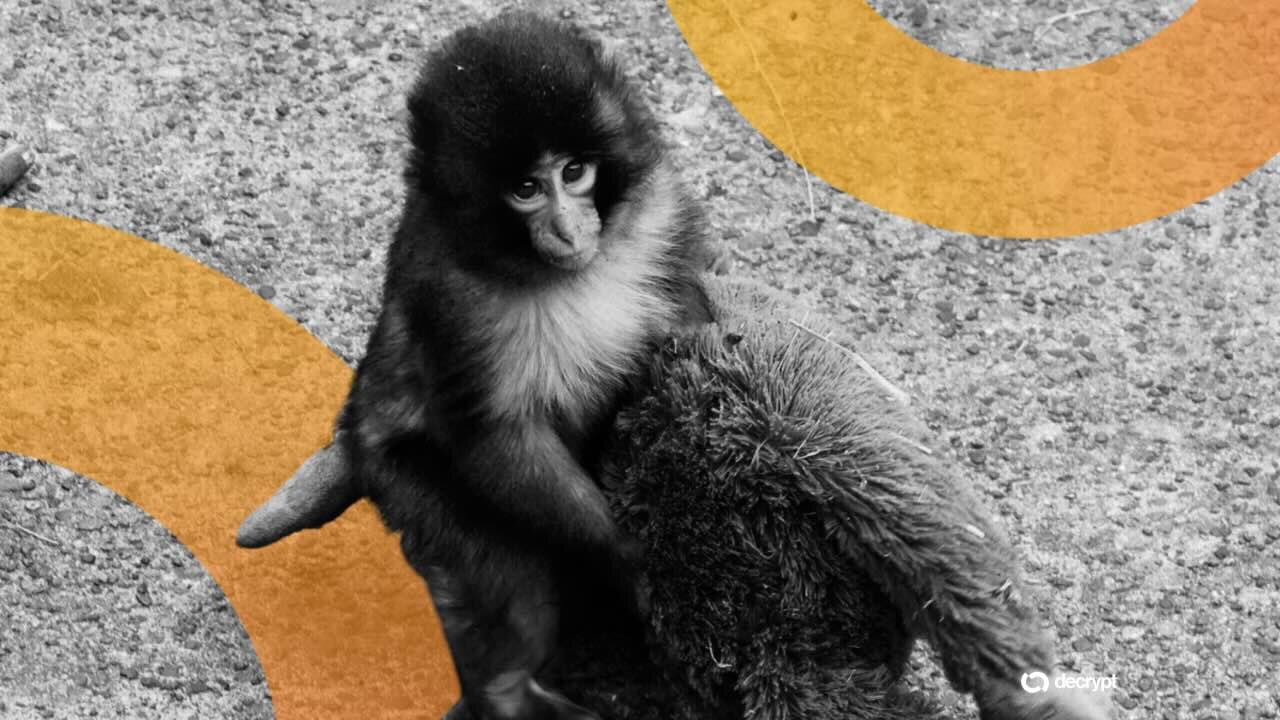
Two Americans were arrested in Japan for illegally entering a zoo to promote a Solana-based meme coin tied to Punch, a viral Japanese macaque. The incident occurred when the trespassers attempted to gain access to the primate's enclosure to generate promotional content for the token.
Punch, a macaque who became an internet sensation through viral videos, attracted the attention of meme coin developers looking to capitalize on the monkey's popularity. The creators launched a Solana token bearing the animal's name, betting that existing fan interest would drive adoption and trading volume.
The zoo breach represents an escalating trend of real-world stunts tied to crypto promotions. Meme coins, which operate on minimal fundamentals, rely heavily on community hype and viral moments to generate momentum. Solana has emerged as the primary blockchain for these low-cap tokens, with its low transaction fees and fast throughput making it ideal for speculative trading activity.
This incident underscores the lengths some promoters pursue to capture attention in an oversaturated meme coin landscape. While Punch the monkey meme coin joins thousands of other animal-themed tokens on Solana, the arrest suggests a reckless approach to marketing that crossed legal boundaries.
The trespassers' actions violated Japanese trespassing laws and potentially endangered both themselves and the animal. Zoo authorities did not appreciate the unwanted promotion, and law enforcement took swift action.
The event highlights a broader issue within the crypto space. Meme coins thrive on novelty and cultural moments, but legal and ethical constraints exist for good reason. Attempting to exploit a real animal for financial gain carries serious consequences, both legally and reputationally.
The Punch token itself likely faces reduced credibility following the arrest of its promoters. Regulatory scrutiny of promotional tactics in crypto continues to intensify globally.