Minnesota enacted a sweeping ban on prediction markets, classifying their creation and operation as a felony within state borders. The law took effect immediately, criminalizing any platform offering wagers on future events including elections, political outcomes, and sports results.
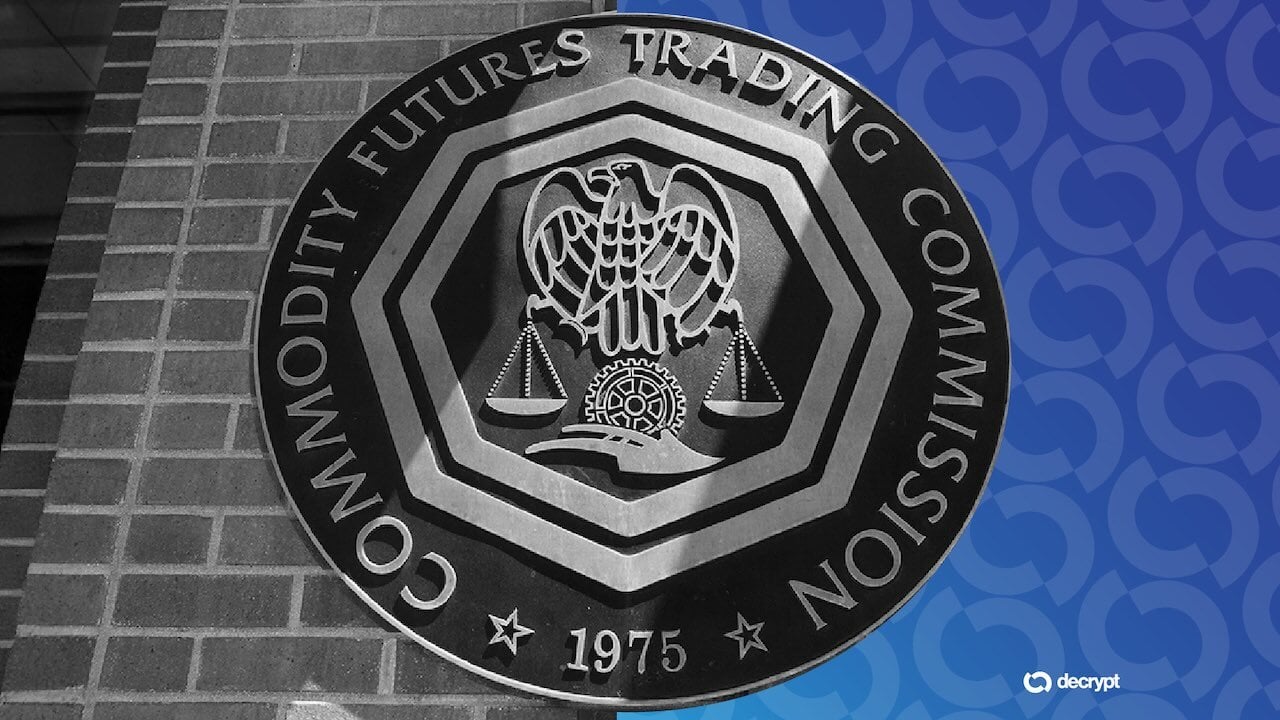
Hours after implementation, the Trump administration's Commodity Futures Trading Commission and Department of Justice filed a lawsuit challenging the statute. Federal authorities argue Minnesota lacks authority to regulate prediction markets under the Commodity Exchange Act, which grants exclusive jurisdiction to the CFTC at the federal level. The suit positions prediction markets as federally regulated instruments beyond state control.
This clash reflects deeper tensions over prediction market legality in the U.S. Platforms like Polymarket have operated in a gray area, with the CFTC previously issuing cease-and-desist orders against specific markets while leaving the broader regulatory framework ambiguous. The Trump administration has signaled openness toward prediction markets as a tool for price discovery and information aggregation, contrasting with Biden-era enforcement postures.
Minnesota's law targets any person or entity facilitating prediction market transactions within state boundaries. Penalties include felony charges and substantial fines. State legislators justified the ban citing consumer protection and gambling concerns, claiming prediction markets exploit citizens lacking expertise in probability assessment.
The legal battle will likely determine whether states retain power to restrict prediction markets or whether federal preemption applies uniformly across jurisdictions. A federal court ruling favoring the Trump administration could open the door for broader legitimacy and regulatory clarity for platforms like Polymarket and emerging competitors. Conversely, an upheld ban would signal states retain considerable autonomy over derivative markets and speculative products.
The timing matters. Polymarket saw explosive growth during the 2024 election cycle, with billions wagered on political outcomes. The platform and similar competitors now face regulatory uncertainty across multiple state jurisdictions while federal authorities debate the proper oversight framework.