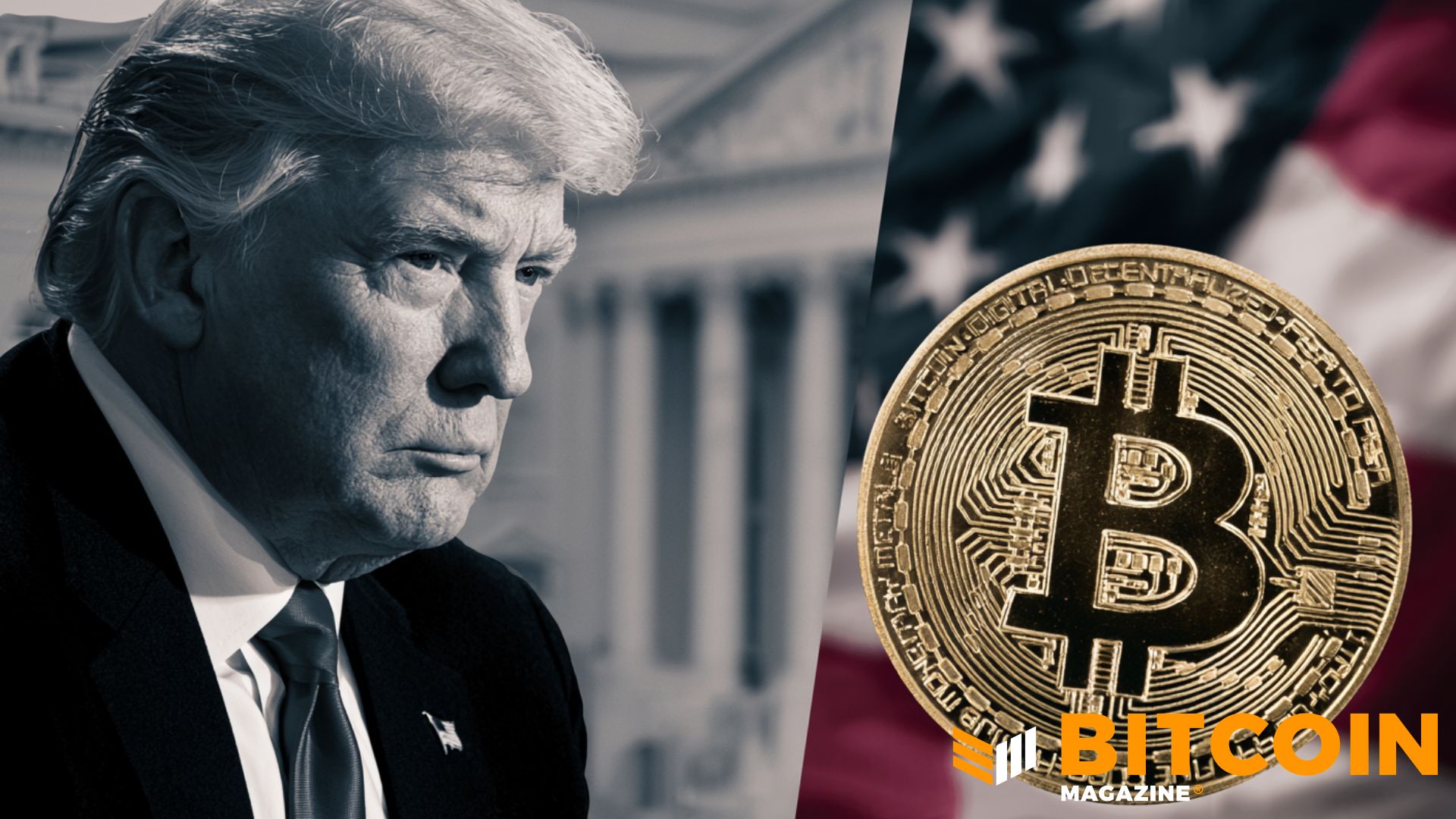
Trump signed an executive order directing the Federal Reserve to review barriers that currently block cryptocurrency and fintech firms from accessing the U.S. payment rails. The order escalates an ongoing regulatory conflict over whether digital assets should have direct access to the nation's core financial infrastructure.
The Federal Reserve has maintained de facto exclusion policies through banking guidance that discourages traditional financial institutions from servicing crypto companies. Banks fear regulatory backlash and compliance complexity when handling digital asset firms, creating a chilling effect across the sector. This creates operational friction for crypto platforms that must route transactions through limited banking partners or rely on alternative payment channels.
Trump's directive targets the Federal Reserve's gatekeeping power over Fedwire and other critical payment systems. Crypto advocates argue that excluding digital asset companies from these infrastructure networks puts American firms at a disadvantage against global competitors and stifles financial innovation. The executive order requires regulators to analyze whether current policies serve legitimate regulatory purposes or function as outdated barriers.
The move marks a significant shift in the regulatory environment. During Biden's administration, crypto faced strict banking access policies and enforcement-focused oversight. Trump's stance signals openness to integrating blockchain technology into traditional finance rails, though actual implementation depends on Federal Reserve compliance with the executive order.
Crypto markets responded positively to the announcement. Bitcoin held above recent levels while altcoins tied to DeFi and traditional finance bridges showed strength. The order does not guarantee immediate access but forces regulators into formal review processes that could reshape payment infrastructure rules.
Major crypto exchanges and fintech firms have long advocated for banking parity. Banks currently impose higher compliance costs and liquidity requirements on crypto clients. Direct access to the Fed's payment system would reduce counterparty risk and operational costs for digital asset platforms.
Implementation faces institutional resistance. The Federal Reserve has defended its policies as prudent risk management during crypto's volatility cycles and regulatory uncertainty. The order sets a formal timeline for Fed response but does not mandate specific outcomes.