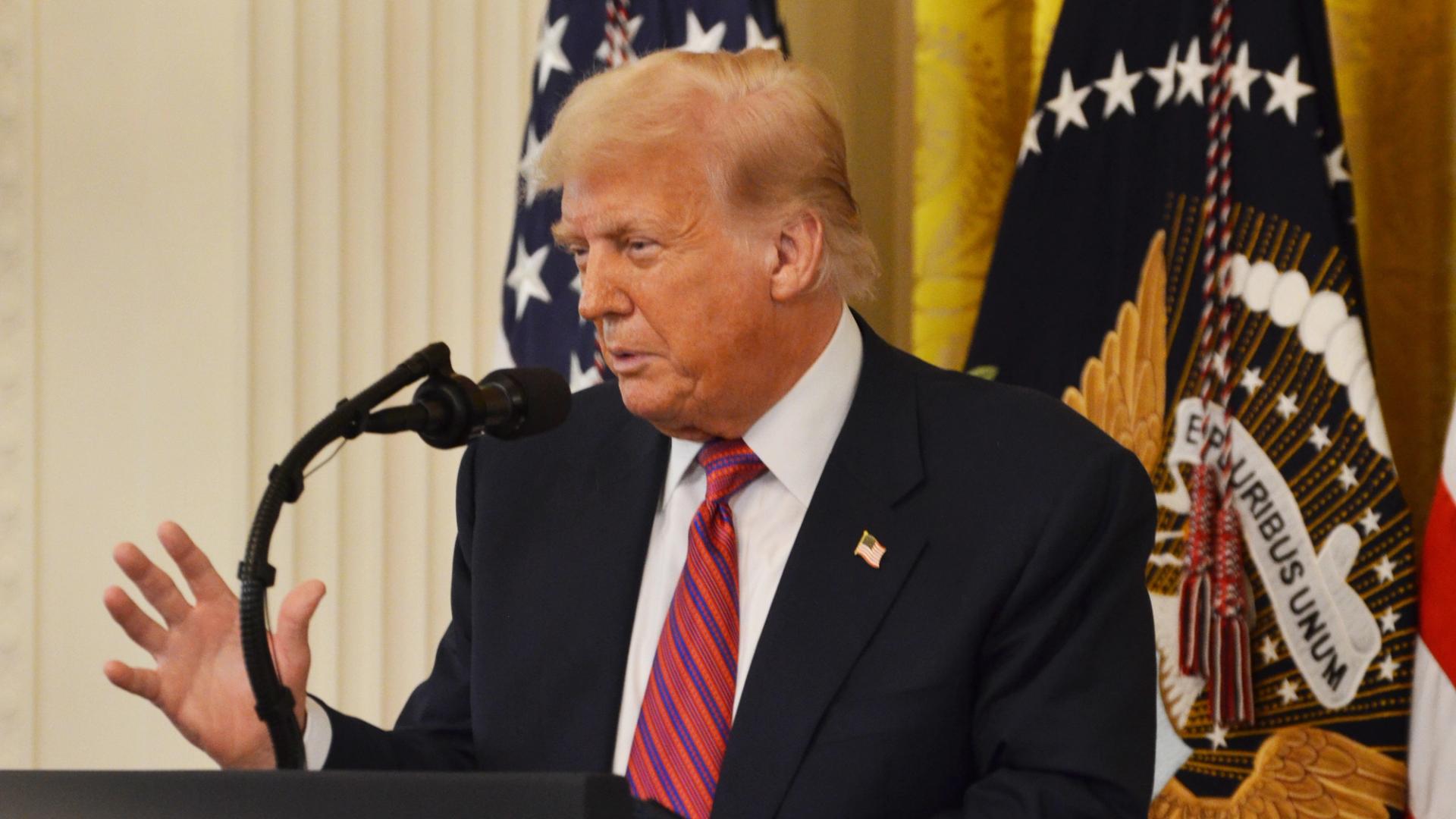
Donald Trump signed an executive order directing the Federal Reserve and federal banking agencies to examine rules governing how depository institutions access payment systems. The order targets what crypto firms identify as a critical bottleneck: access to the financial plumbing that moves money.
The directive addresses a long-standing industry complaint. Banks that serve crypto exchanges and platforms often face pressure from regulators, leading many to exit the sector entirely. This creates a cascading problem. Without bank relationships, crypto firms struggle to facilitate on-ramps and off-ramps to the traditional financial system. Users cannot easily convert dollars to Bitcoin, Ethereum, or stablecoins, then cash out again.
The payment rail access issue sits at the intersection of two regulatory philosophies. Banks must comply with anti-money laundering and know-your-customer requirements, which apply to crypto transactions. But the Fed's stance on which institutions can access core payment infrastructure remains discretionary. Regulators have wielded this discretion to discourage crypto banking relationships, citing systemic risk concerns.
Trump's order asks agencies to clarify and potentially loosen these guardrails. The Fed must review regulations within 180 days. This signals a shift from the Biden administration's approach, which emphasized strict oversight of crypto-adjacent banking.
The crypto industry views this as a win. Easier payment rail access would reduce friction for exchanges and platforms. Coinbase, Kraken, and smaller platforms would gain banking partners more readily. Stablecoin issuers like Circle and Paxos would face fewer obstacles. Bitcoin and Ethereum prices have already reflected positive sentiment on Trump policy shifts.
However, implementation remains uncertain. The Fed and banking regulators typically move slowly. They must balance crypto industry demands against legitimate financial stability concerns. Congressional pressure could also emerge from lawmakers worried about regulatory capture.
The order does not mandate changes to AML/KYC rules themselves. It simply asks agencies to examine the plumbing. Still, clearer access rules could accelerate mainstream institutional adoption by reducing operational friction at the payment layer.