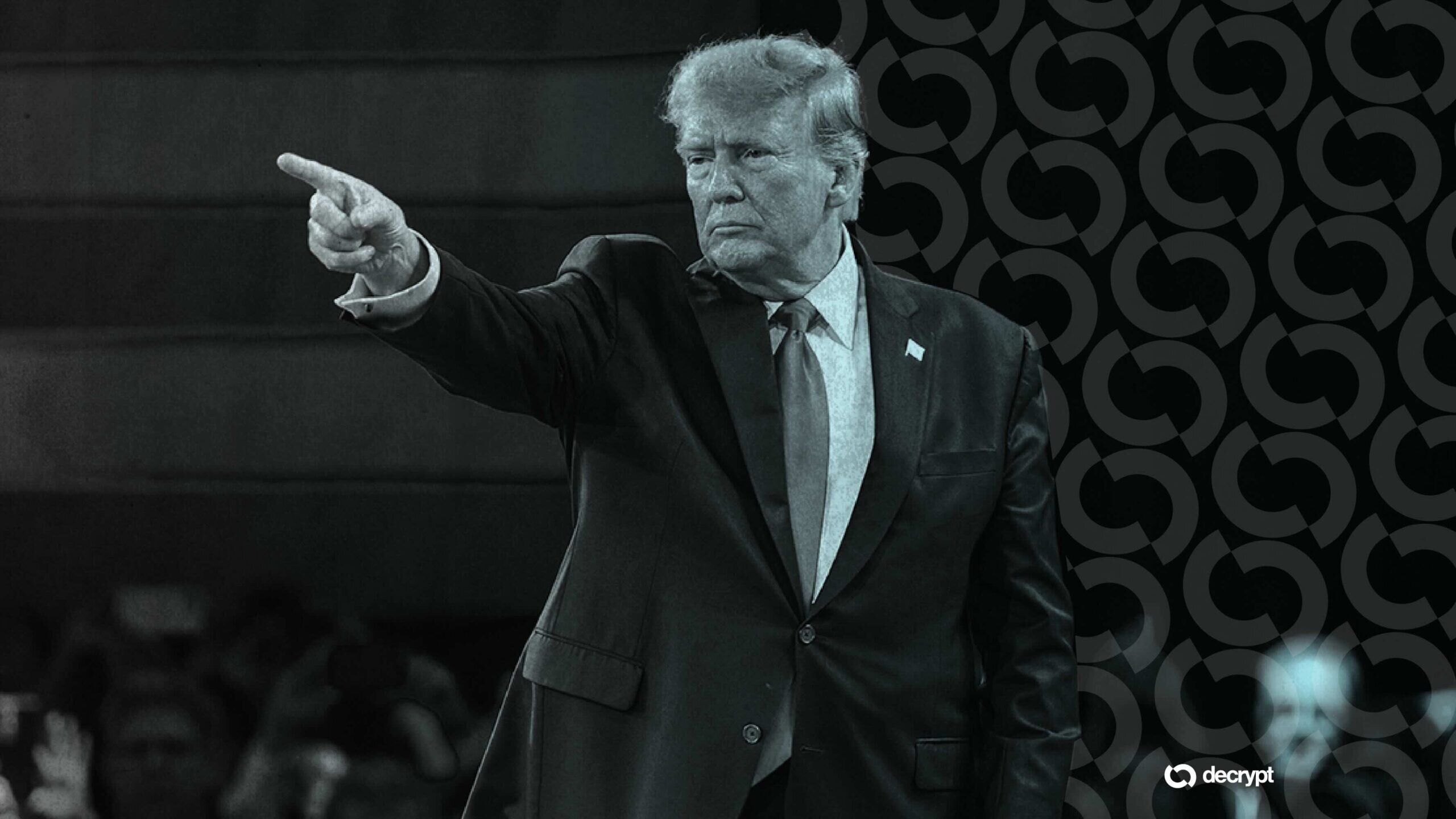
Fairshake, the cryptocurrency industry's largest Super PAC, claimed victory after supporting six primary candidates who won elections on Tuesday. The group positioned the results as proof of a "powerful bipartisan mandate" for pro-crypto policies ahead of the 2024 general election.
Fairshake funneled $25 million into the midterm cycle to back candidates across both parties who support cryptocurrency regulation and industry growth. The PAC's endorsements spanned competitive House and Senate races, with its backing concentrated in districts where crypto issues resonated with voters.
However, the primary wins may reflect broader political dynamics rather than crypto-specific voter enthusiasm. Several Fairshake-backed candidates ran in favorable districts or enjoyed strong existing name recognition. Some victories came in Republican strongholds where any GOP nominee would likely prevail. Democratic candidates supported by Fairshake ran in safe blue districts, further complicating claims about crypto-driven electoral shifts.
Political analysts note that single-issue voter blocs rarely determine primary outcomes. Candidates won based on local messaging, fundraising advantages, and incumbent dynamics. Fairshake's $25 million budget, while substantial for a crypto-focused group, pales alongside spending from traditional Super PACs backing healthcare, defense, or labor interests.
The crypto industry's political push reflects mounting pressure from regulatory uncertainty. The SEC's aggressive stance on token classifications has created business headwinds for exchanges and protocols. Fairshake aims to elect representatives who support clearer regulatory frameworks rather than enforcement-heavy approaches.
Industry figures celebrated the results as validation of crypto's political relevance. But skeptics argue Fairshake conflates correlation with causation. Winning candidates may have simply aligned with pro-crypto positions because such policies appeal to younger, tech-forward donors and voters in their districts, not because crypto messaging drove their victories.
Fairshake plans substantial spending through November's general election. The PAC will test whether crypto-focused advocacy translates into sustained electoral influence or remains a secondary issue for most voters.