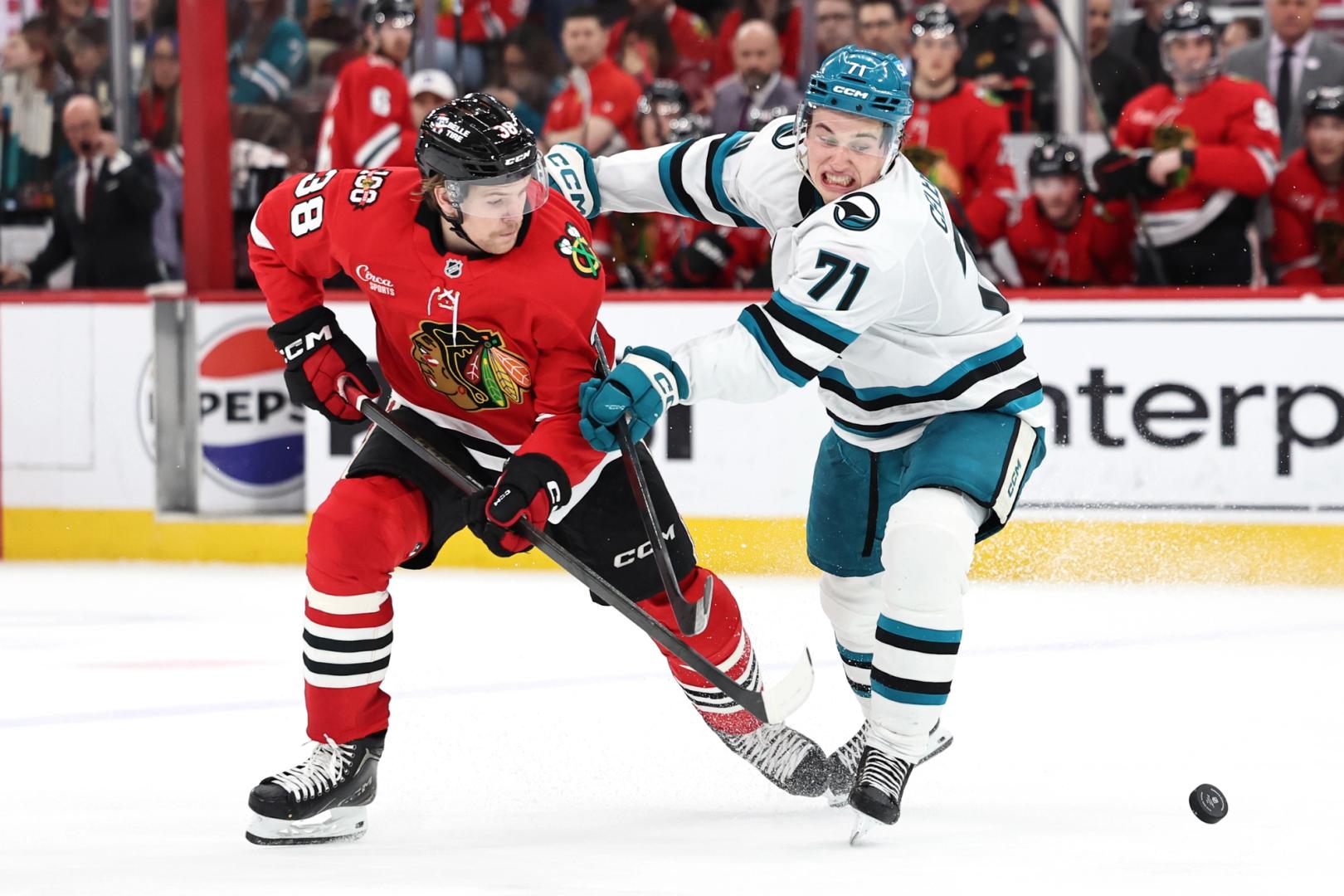
The U.S. Commodity Futures Trading Commission has formalized an agreement with the National Hockey League to establish safeguards around prediction markets tied to professional hockey. The deal follows the CFTC's earlier pact with Major League Baseball on identical protections.
The arrangement sets minimum standards for platforms operating prediction markets on NHL games. These safeguards target integrity concerns around sports wagering, including protections against insider trading, market manipulation, and activity by individuals with access to non-public information. The CFTC has prioritized preventing conflicts of interest where players, coaches, referees, or team staff could exploit market knowledge.
Prediction markets on sports outcomes have exploded in popularity as retail participation in derivatives trading grows. Platforms like Polymarket operate in legal gray zones, offering event-based contracts with crypto collateral. The CFTC views sports prediction markets as falling under its jurisdiction as derivatives products, even when denominated in digital assets.
The NHL agreement mirrors the baseball framework by requiring participating platforms to implement surveillance protocols, establish identity verification procedures, and maintain databases of restricted persons unable to trade. The league provides data on personnel with sensitive information access, allowing platforms to enforce trading blocks at the protocol level or through KYC systems.
This represents regulatory expansion beyond traditional crypto enforcement. The CFTC previously shut down Kalshi's congressional prediction market in 2023, arguing the platform violated commodity exchange rules. Sports prediction markets occupy a different legal position since professional leagues have explicit integrity interests, yet the agreements signal the agency's intent to regulate all event-derivative trading.
The arrangement does not legalize prediction markets outright. Instead, it creates a compliance framework for platforms seeking legitimacy. Crypto-native platforms operating prediction markets face pressure to adopt similar controls to avoid enforcement action. The bilateral structure with professional leagues strengthens the CFTC's hand in asserting jurisdiction over event derivatives broadly.