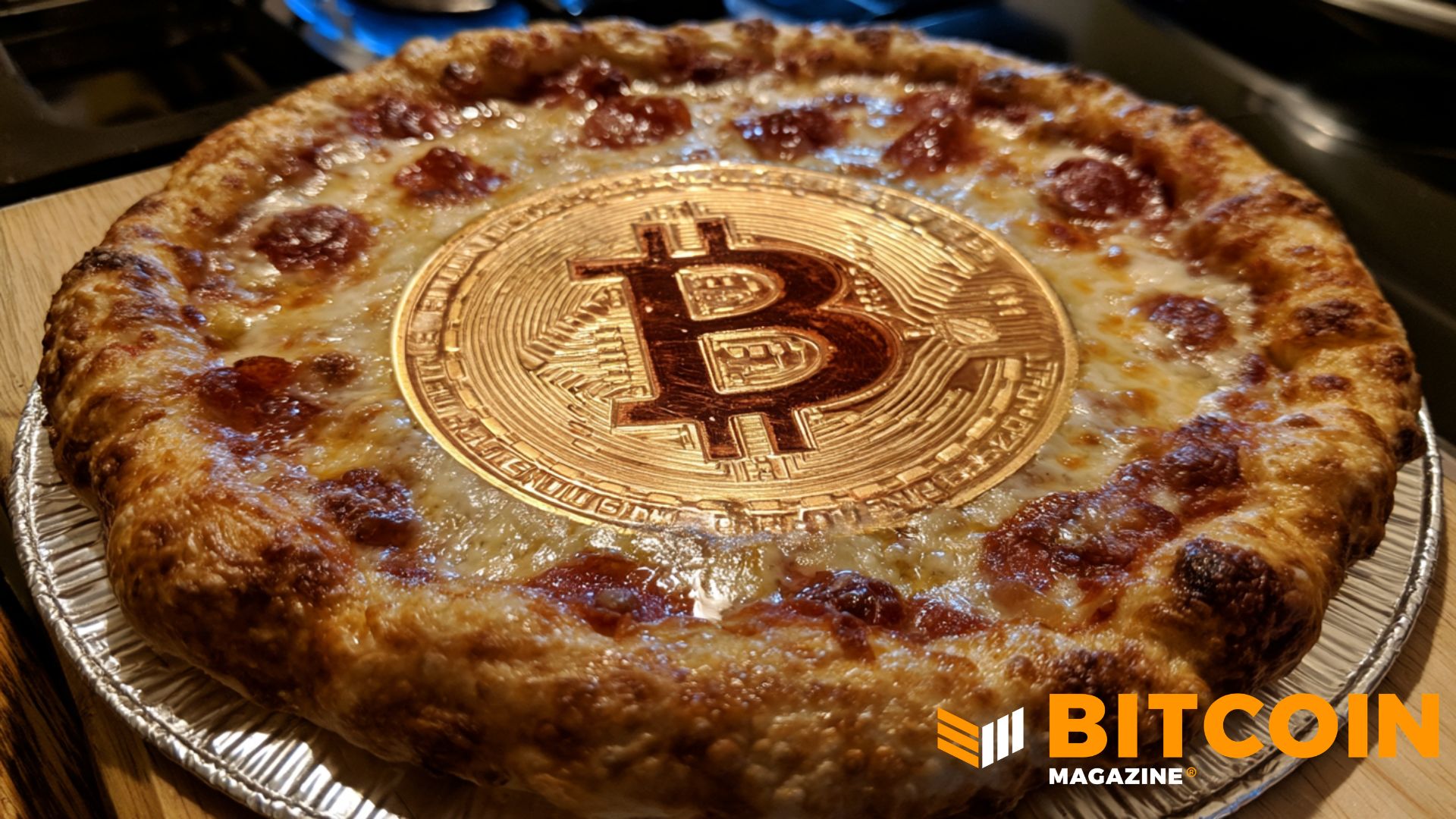
On May 22, 2010, Laszlo Hanyecz, a Florida programmer, executed the first known commercial Bitcoin transaction. He paid 10,000 BTC for two large Papa John's pizzas, a trade that would become legendary in crypto history. Sixteen years later, that transaction remains the benchmark for Bitcoin Pizza Day, celebrated annually across the community.
The deal carried enormous symbolic weight. At the time, Bitcoin traded near fractions of a cent. Hanyecz's willingness to spend 10,000 coins for real-world goods proved that Bitcoin functioned as a medium of exchange, not just a theoretical asset. The transaction happened on Bitcointalk, where Hanyecz posted a simple offer. A user named jercos accepted, purchased the pizzas using a credit card, and received the Bitcoin payment.
By modern valuation, that transaction represents roughly $630 million in today's Bitcoin prices, making it one of the most expensive pizza orders in history. The trade illustrates both the explosive appreciation of Bitcoin and the opportunity cost of early adoption. For Hanyecz, the transaction demonstrated Bitcoin's utility. For later observers, it became a cautionary tale about long-term holding versus spending.
Bitcoin Pizza Day marks more than nostalgia. It anchors the narrative of Bitcoin's evolution from experimental software to global asset. The transaction occurred when Bitcoin faced serious questions about viability. No major merchant accepted it. Few people owned it. Hanyecz's casual purchase proved skeptics wrong. He showed that strangers could transact across borders without intermediaries, settling directly through code.
The annual commemoration reflects community values. Hanyecz's trade embodied decentralization, peer-to-peer exchange, and practical adoption. Early Bitcoiners celebrated the milestone because it validated their investment thesis before most of the world understood the technology.
Today, Bitcoin trades near $68,000 per coin. The pizza purchase sits in the historical record as both monument and meme. Some community members joke about the "lost" wealth. Others recognize it for what it was: the