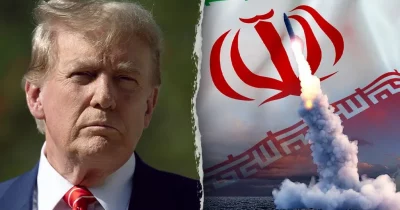
Bitcoin slid to a two-week low as geopolitical tension escalated over Iran policy. Former president Trump indicated a decision between diplomatic negotiations or military intervention would come by Sunday, creating uncertainty that rippled through risk assets.
The pullback reflects crypto markets' sensitivity to macro shocks. Bitcoin retreated from recent highs as traders de-risked ahead of the announcement. Geopolitical escalation historically triggers flight-to-safety flows, pushing capital into traditional havens like US Treasuries and away from volatile assets like digital currencies.
Trump's framing as binary, deal or military action, raised stakes for markets already navigating inflation concerns and Federal Reserve policy expectations. The Iran situation compounds existing macro headwinds. Broader equity markets also felt pressure as investors priced in potential sanctions regimes or military spending spikes that could reshape commodity prices and energy costs.
Crypto's correlation with risk sentiment means geopolitical brinkmanship translates to volatility. Bitcoin's two-week low underscored how quickly sentiment can shift when headline risk spikes. The asset class remains tethered to macro conditions despite narratives around its independence from traditional finance.
Traders watched for clarity. A negotiated deal would likely reduce risk premium, supporting risk-on positioning. Military escalation would deepen uncertainty and potentially strengthen the dollar, creating headwinds for Bitcoin's relative value proposition.
The timing mattered. Markets hate ambiguity more than bad news. A clear decision either direction would restore pricing mechanisms. Until Sunday's announcement, volatility likely persists.