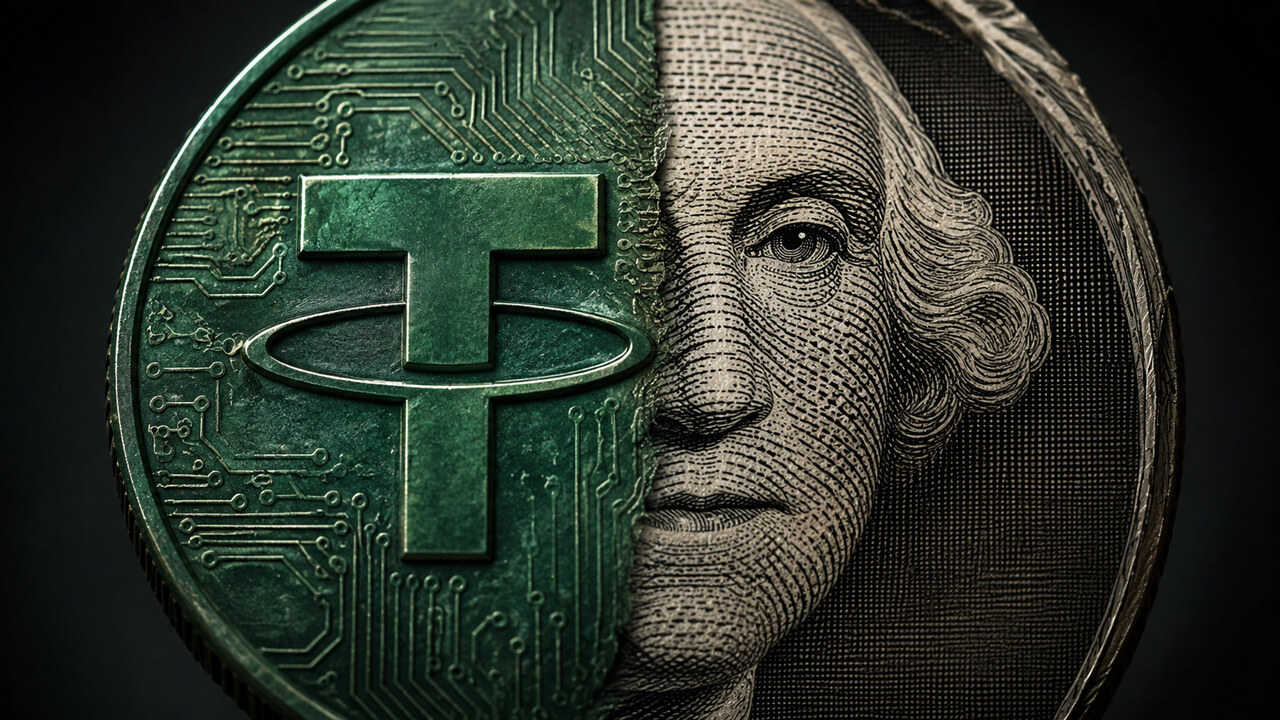
Tether holds $141 billion in direct and indirect US Treasury exposure as of the end of 2025, making the stablecoin issuer one of the largest holders of American government debt. This concentration represents a structural risk that has embedded crypto into the core of US fiscal infrastructure, despite regulators' initial attempts to wall off the sector from traditional finance.
USDT, the world's largest stablecoin by market cap, derives its value from Tether's backing reserves. The company's Treasury purchases serve as collateral reserves to maintain the peg and generate yield. The scale of this position reveals how stablecoin reserves now function as a parallel institutional investor class operating outside traditional banking guardrails.
Regulators face a paradox. Tether operates without a banking license in the US and has faced repeated scrutiny from the SEC, CFTC, and congressional committees over reserve transparency and operational controls. Yet the company's Treasury holdings now represent material exposure to America's debt market. A liquidity crisis at Tether, triggered by redemptions or loss of confidence in reserves, could force fire sales of billions in Treasuries.
The risk cuts both directions. A sharp Treasury sell-off or yield spike could force Tether to liquidate positions to maintain liquidity buffers. This creates feedback loops where stablecoin stress transmits directly into government debt markets. Conversely, stablecoin demand collapses during crypto downturns, potentially forcing reserve liquidations.
Tether's Treasury pile grew substantially through 2024 and into 2025 as USDT demand surged during Bitcoin's rally toward $100,000. The stablecoin now underpins DeFi liquidity pools, crypto exchange balance sheets, and increasingly, institutional trading operations. This centralization around a single stablecoin amplifies systemic risk.
The contradiction between regulatory isolation doctrine and market reality now defines crypto's integration into US finance. Regulators cannot eject Tether from the Treasury market without destabilizing stablecoin infrastructure globally. Yet leaving it unregulated preserves tail risks