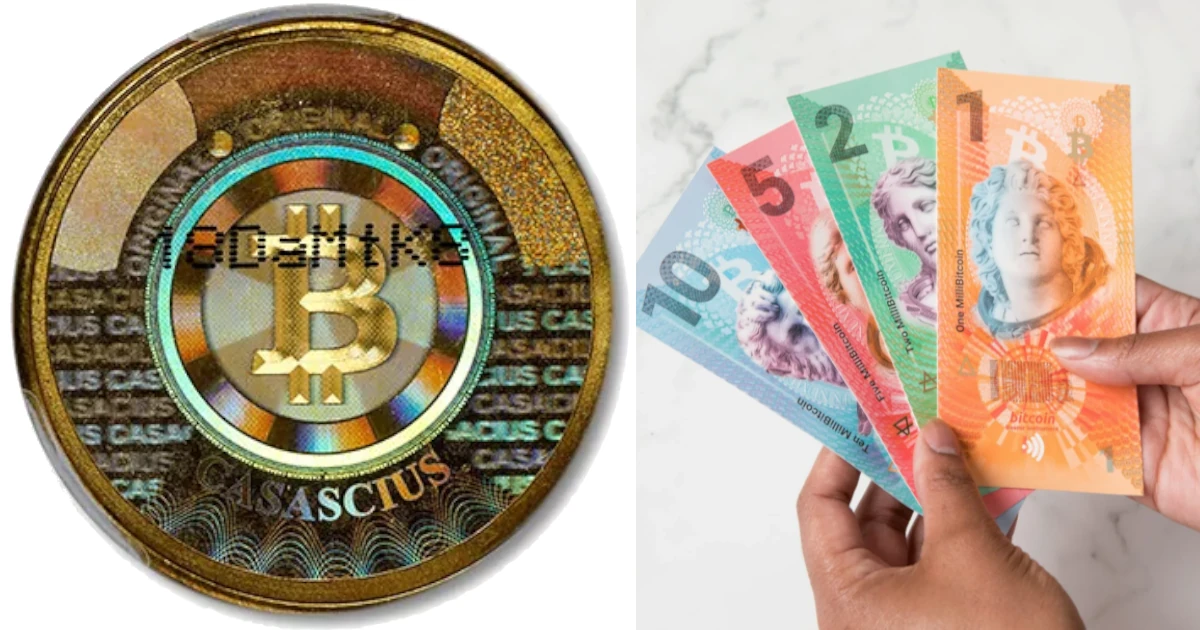
Physical bitcoin representations have existed for over a decade, translating digital code into tangible forms. Creators have manufactured coins, cards, and USB devices designed to hold Bitcoin private keys, attempting to bridge the gap between cryptocurrency's intangible nature and traditional cash-like experiences.
The earliest physical bitcoin initiatives emerged around 2011, when developers began embedding private keys into metal coins and collectibles. Casascius coins became the most recognized early example, with founder Mike Caldwell minting physical BTC representations that contained hidden private keys beneath tamper-evident holograms. These items attracted both collectors and Bitcoin enthusiasts seeking offline storage solutions.
The market evolved to include diverse formats. Hardware wallets like Ledger and Trezor offered USB-based cold storage with physical security features. Companies created paper wallets, metal seed phrase plates, and branded collectible coins. Each approach attempted to solve the same problem: making Bitcoin portable and tangible while maintaining security.
Physical bitcoin adoption faces practical constraints. Private keys embedded in coins or cards require careful handling to prevent loss. Hologram-sealed collectibles depend on the issuer remaining operational. Transportation across borders creates regulatory ambiguity. Unlike cash, which governments recognize as currency, physical bitcoin representations occupy legal gray areas in most jurisdictions.
Recent developments show renewed interest in tangible crypto. Metal seed phrase storage has become mainstream among serious hodlers. Institutional adoption of Bitcoin ETFs provides alternatives to physical ownership without custody complexity. Meanwhile, collectible physical bitcoins maintain niche appeal among numismatists and early adopters.
The future trajectory remains uncertain. Central Bank Digital Currencies (CBDCs) may drive demand for offline alternatives, potentially reviving physical bitcoin interest. However, hardware wallets and cold storage solutions already provide the security benefits without collectible premiums. True cash-like BTC circulation faces headwinds from Bitcoin's fixed supply model and confirmation times incompatible with point-of-sale transactions.
Physical bitcoin represents a conceptual bridge between digital and traditional finance. Its evolution reflects Bitcoin community priorities across generations, from novelty collectibles to serious security infrastructure.