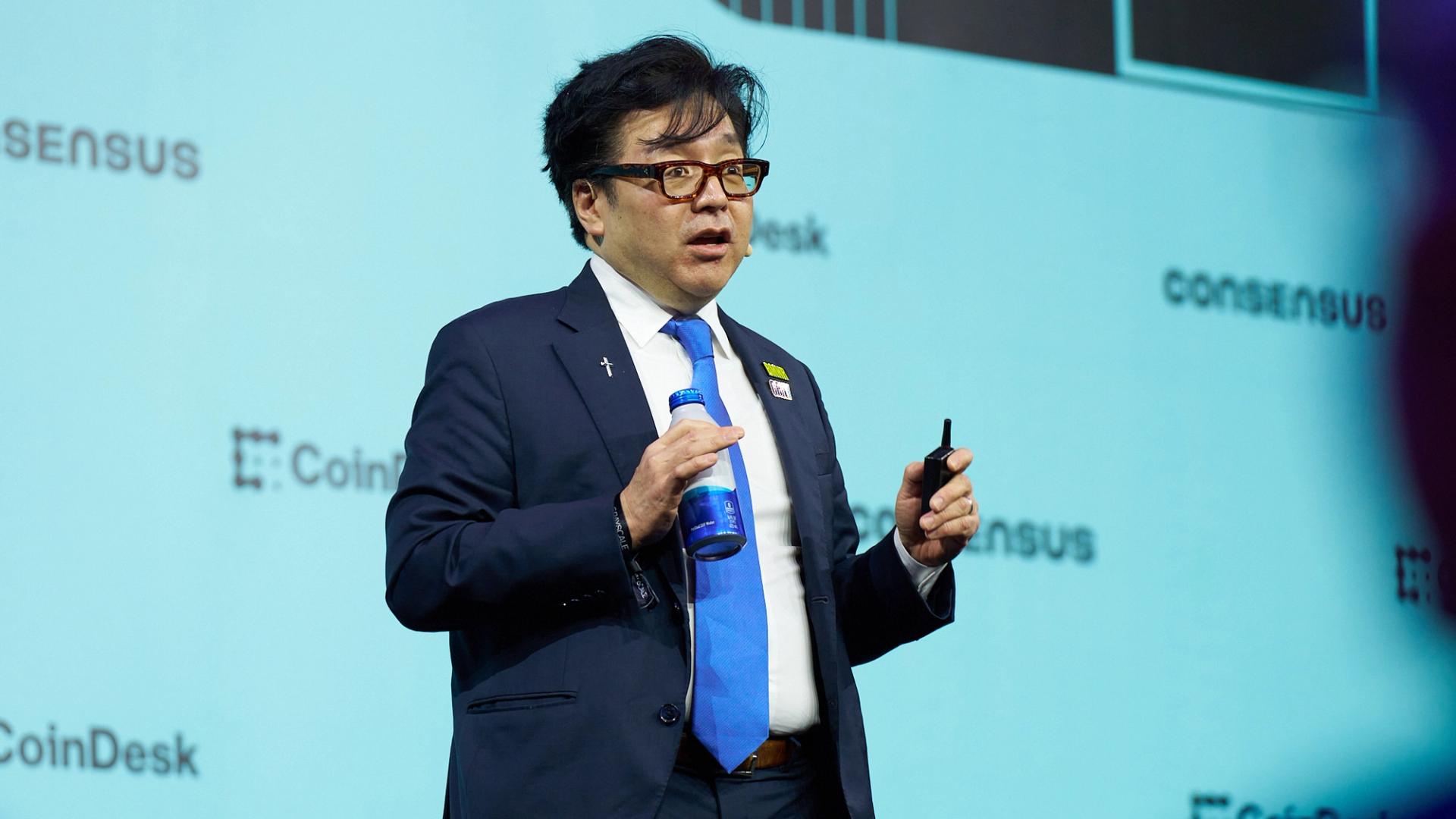
Fundstrat Global Advisors co-founder Tom Lee argues that a flood of tech IPOs from heavyweight companies like SpaceX, Anthropic, and OpenAI won't derail the S&P 500, despite potential supply pressures. Lee's thesis centers on persistent underallocation among institutional and retail investors in growth equities, particularly in high-profile tech names.
The IPO wave could inject trillions in new equity supply into public markets. SpaceX alone carries a valuation exceeding $180 billion, while OpenAI and Anthropic represent the AI sector's dominant positions. Traditional market logic suggests this supply influx would pressure valuations and demand higher yields, potentially dampening broader equity indices.
Lee counters this narrative by pointing to structural demand imbalances. After years of tech underperformance relative to mega-cap mega-cap semiconductor and software plays, many portfolio managers remain underexposed to growth segments that would benefit from these IPOs. Pension funds, endowments, and retail platforms have dry powder waiting for quality IPO opportunities, particularly in AI infrastructure and space technology.
The timing matters. Current market sentiment favors continued expansion in equity valuations, especially if interest rates stabilize. Fed policy remains accommodative relative to 2022-2023 tightening cycles. Additionally, the breadth of investor appetite spans institutional mega-funds down to retail traders via fractional shares and ETF access, widening the absorption capacity.
Lee's framework assumes orderly IPO execution and pricing discipline. Wild overpricing or rushed offerings could trigger volatility. Market conditions shift rapidly on macro surprises, geopolitical shocks, or Fed pivot signals.
The S&P 500's recent resilience despite Fed tightening supports Lee's view that equity demand remains robust. If SpaceX, OpenAI, and Anthropic execute measured IPOs at reasonable multiples, institutions hungry for exposure to AI, space, and energy transition narratives likely absorb the supply without triggering broad-market distress.