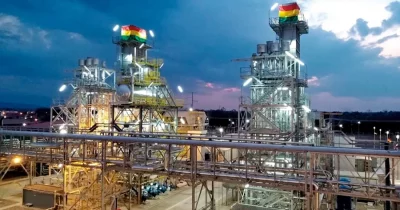
Bolivia has activated an idle power plant to launch a sustainable Bitcoin mining operation, positioning the nation to stabilize its economy through cryptocurrency infrastructure. The country faces persistent currency instability and limited foreign investment flows, challenges that Bitcoin mining powered by existing energy capacity could address.
The initiative leverages Bolivia's underutilized power generation infrastructure, converting idle capacity into revenue-generating mining operations. This approach differs from energy-intensive mining in regions reliant on new infrastructure buildouts. By repurposing existing assets, Bolivia reduces the marginal cost of operations while avoiding additional environmental burden.
The timing reflects broader Latin American adoption patterns. El Salvador's Bitcoin adoption as legal tender created a regional proof-of-concept for cryptocurrency integration into national economies. Bolivia's mining strategy takes a different path, focusing on industrial revenue rather than reserve accumulation. Foreign mining operations have increasingly sought jurisdictions offering abundant cheap power and regulatory clarity. Bolivia's combination of idle generation capacity and economic incentives positions it competitively against established mining hubs in Paraguay, Argentina, and Central Asia.
Currency instability in Bolivia, where the boliviano faces persistent devaluation pressure, creates natural demand for Bitcoin as a store of value and hedge asset. Mining operations would generate dollar-denominated revenue streams, providing hard currency inflows to stabilize reserves and support the exchange rate.
The sustainability angle matters for institutional investors and ESG-conscious funds reassessing Bitcoin mining. Operations powered by existing hydroelectric or thermal plants face lower reputational friction than coal-dependent competitors. This could attract capital from fund managers previously avoiding crypto mining exposure.
Bolivia's move reflects a calculated strategy to monetize existing assets while positioning the nation within the broader Bitcoin infrastructure ecosystem. Success depends on regulatory consistency, power grid reliability, and international investor appetite for Latin American mining operations. Early execution will determine whether the model attracts foreign capital and stabilizes currency pressures as intended.