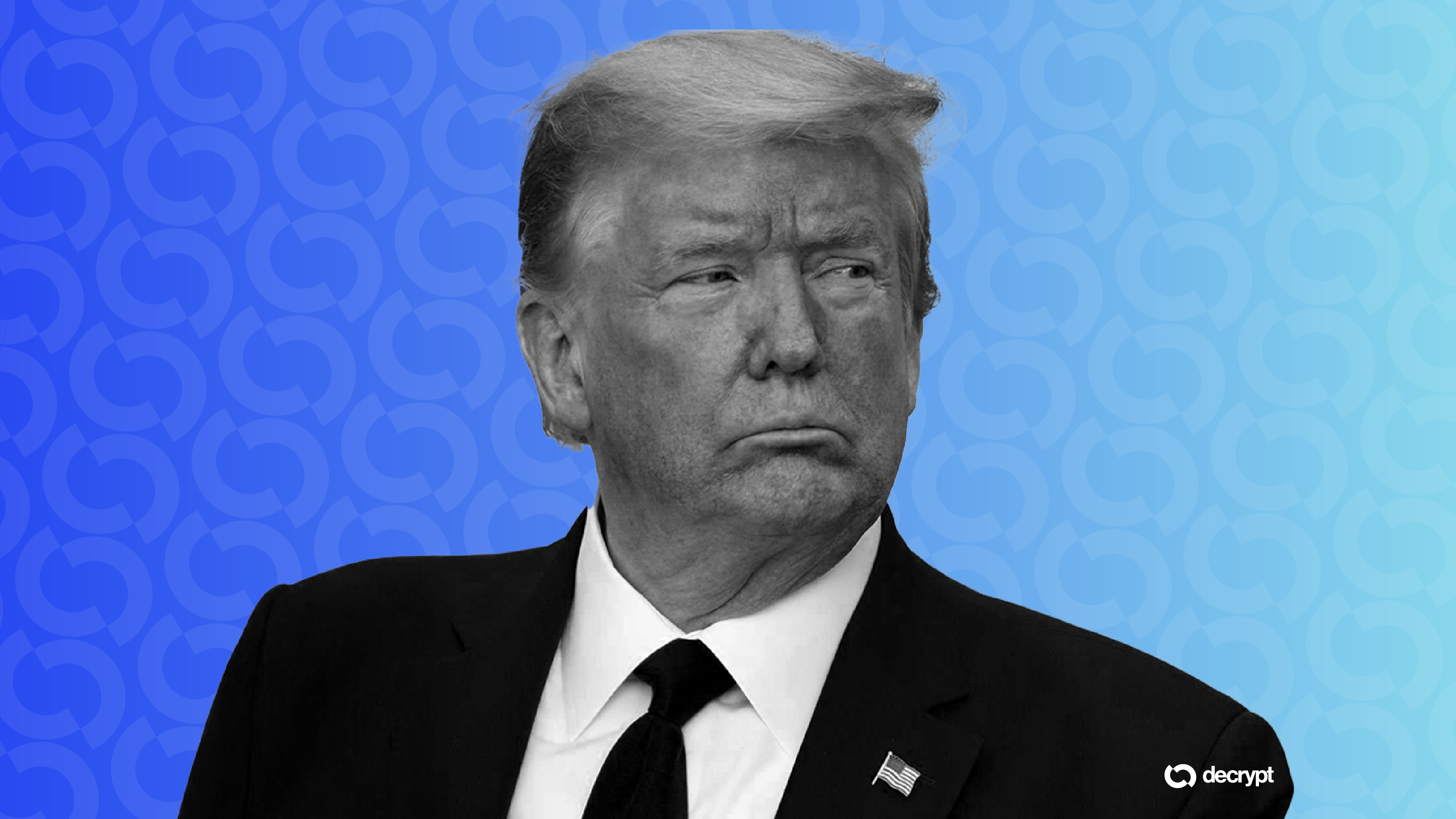
President Trump delayed an executive order on artificial intelligence, citing concerns that certain provisions could hamper U.S. competitiveness against China in the AI race. The administration shelved the order after determining that elements of the proposal might inadvertently slow domestic AI development at a critical moment.
The decision reflects heightened geopolitical tensions around AI advancement. Both the U.S. and China view AI capabilities as fundamental to future economic and military dominance. Trump's pivot prioritizes keeping American AI companies nimble and well-resourced rather than imposing restrictions that could bog down innovation pipelines.
The delayed order likely contained guardrails or compliance measures that tech firms flagged as burdensome. Major AI players including OpenAI, Anthropic, and others maintain significant lobbying presence in Washington. Their influence shaped the final contours of regulation versus permissiveness.
This move signals a regulatory environment shift toward pro-development stances. The Trump administration appears willing to tolerate higher risk tolerances on AI deployment if the alternative means ceding ground to Chinese tech competitors. Companies like Microsoft, Google, and Meta benefit from this posture, as it reduces immediate compliance overhead on cutting-edge model training and deployment.
Crypto markets tangentially benefit from AI-favorable policy. Decentralized AI projects, GPU-focused networks, and computation-intensive crypto protocols gain momentum when regulatory friction drops. Tokens tied to distributed compute networks and AI infrastructure could see renewed interest as the landscape becomes more permissive.
The broader takeaway centers on Trump's prioritization of U.S. technological supremacy over precautionary regulation. Rather than install friction through executive mandate, the approach allows market forces and corporate discretion to govern AI development. This opens space for faster iteration, larger model training, and more aggressive commercialization cycles.
Competitors to China remain Trump's North Star. Delaying AI regulation aligns with that objective, even if consumer protection or safety guardrails take a backseat temporarily.