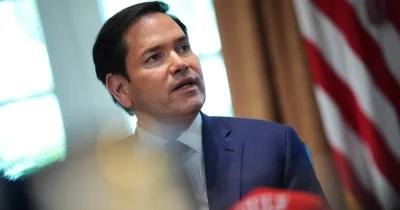
Marco Rubio, US Secretary of State, signaled that negotiations with Iran over a potential nuclear deal could span several days, with cryptocurrency emerging as a central pressure point in sanctions discussions. The talks underscore how digital assets have become embedded in geopolitical leverage between the US and Iran.
Crypto assets offer Iran a bypass around traditional SWIFT-based sanctions, allowing the country to conduct cross-border transactions and access global markets despite financial restrictions. The US has repeatedly targeted Iranian crypto activity through Treasury sanctions, designating crypto exchanges and mining operations tied to Tehran. For the Biden administration, and now under Rubio's tenure at State, controlling Iran's crypto access represents a critical component of economic containment.
The timing matters. Bitcoin trades near recent highs, and broader crypto markets remain sensitive to macro uncertainty. Escalating US-Iran tensions historically correlate with safe-haven flows, which can benefit assets like Bitcoin. Simultaneously, regulatory clarity from Washington on sanctions enforcement against Iran-linked crypto wallets and exchanges influences how platforms enforce compliance rules.
Rubio's emphasis on multi-day negotiations signals serious engagement, but also reflects the complexity of closing gaps. Crypto compliance sits at the intersection of financial surveillance, technological capability, and diplomatic leverage. The US wants verifiable mechanisms to prevent Iranian access to decentralized finance and peer-to-peer networks. Iran seeks relief from restrictions that push its economy toward harder-to-trace channels.
Broader markets watch for signs the talks might stabilize oil prices, which historically move inversely to risk sentiment in crypto. A breakthrough would likely ease geopolitical premiums embedded in commodity prices and volatility indexes. Conversely, negotiation collapse could trigger risk-off moves favoring Bitcoin as inflation hedge and geopolitical hedge.
This intersection of sanctions, crypto, and diplomacy reveals how digital assets now feature in state-level strategic planning. Unlike traditional finance, crypto offers fewer choke points for enforcement. Rubio's acknowledgment of crypto's role in these talks signals the State Department views blockchain technology as a material national security consideration.