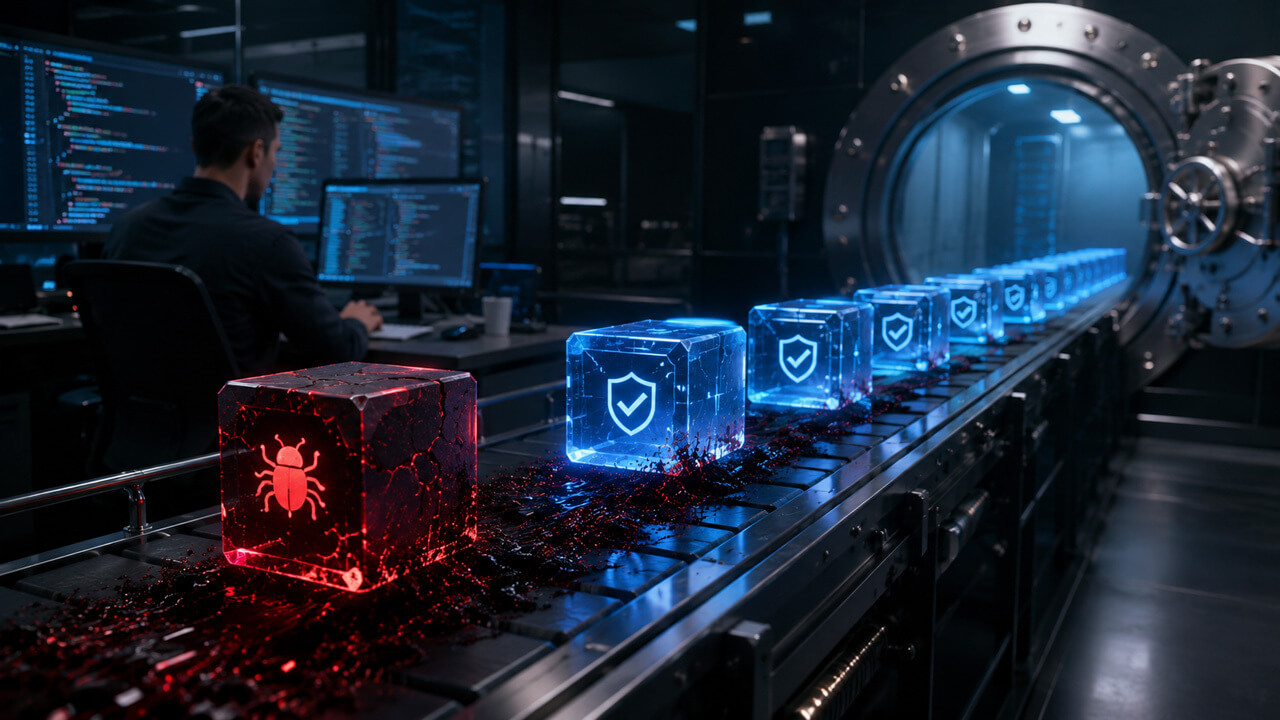
Socket disclosed TrapDoor on May 24, a supply-chain attack that planted 34 malicious packages across npm, PyPI, and Crates.io with 384 related versions. The exploit targeted developers building DeFi protocols directly, compromising their machines and harvesting credentials that control protocol access and deployment systems.
TrapDoor reveals a critical vulnerability in crypto development workflows. Attackers don't need to break protocol smart contracts anymore. They compromise the build infrastructure upstream, stealing developer credentials and private keys before code reaches mainnet. A single compromised developer machine becomes a bridgehead into entire protocol ecosystems.
The attack surface extends across the JavaScript, Python, and Rust package ecosystems where blockchain developers pull dependencies. Each malicious package looked legitimate, masking credential theft and backdoor installation. Once attackers gained developer access, they could approve malicious code deployments, mint tokens, drain liquidity pools, or redirect funds during launches.
Socket's detection marked a watershed moment for DeFi security. Previous major exploits targeted deployed smart contracts through logic bugs or flash loan attacks. TrapDoor operates earlier in the pipeline, at the developer environment stage where safeguards remain inconsistent. Many teams lack proper secret management, credential rotation, and CI/CD security hardening.
The implications ripple through every protocol building on Ethereum, Solana, Arbitrum, and other chains. Teams must audit dependencies obsessively, implement hardware security keys for sensitive operations, and isolate build environments from internet-connected machines. Without these controls, even audited smart contracts remain vulnerable to compromise at the source.
This attack class will proliferate. As smart contract security improves through formal verification and audits, attackers shift focus to softer targets. Developer credential theft scales across multiple protocols simultaneously and leaves minimal on-chain forensic evidence. Socket's disclosure accelerated industry awareness, but many teams still lack TrapDoor detection capabilities.
The next major DeFi exploit likely won't happen on Etherscan. It will happen in a developer's terminal, in an npm install command, months before mainnet deployment.