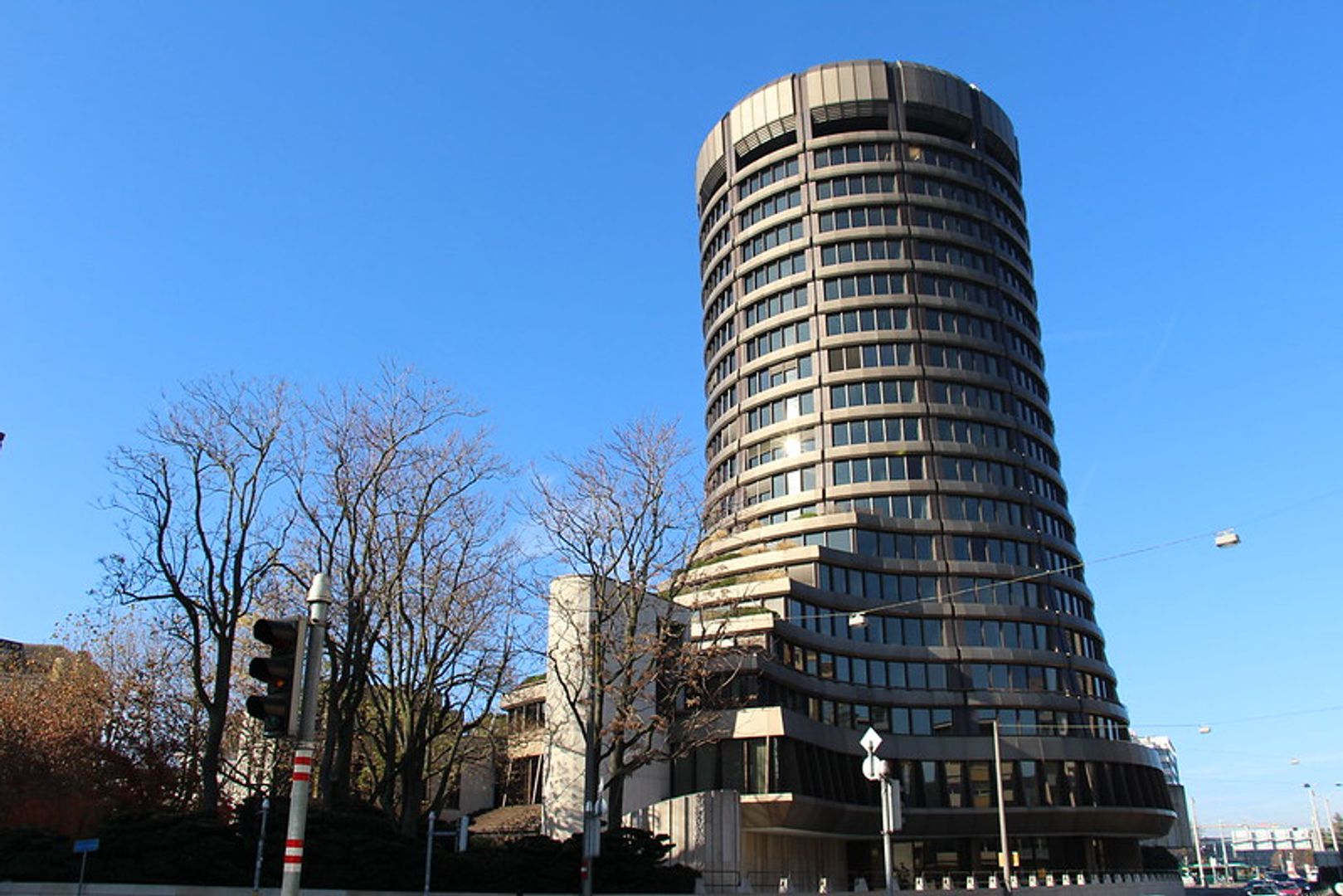
The Bank for International Settlements (BIS) has advanced Project Agorá to the next phase, shifting from theoretical exploration to live testing of tokenized central bank money and bank deposits across blockchains. The initiative brings together major central banks working to reduce friction in cross-border payments through wholesale settlement.
Project Agorá moves toward "real-value" testing, meaning participants will conduct transactions using actual tokenized deposits and central bank digital currency prototypes rather than simulations. This stage tests whether blockchain infrastructure can genuinely accelerate international payments while maintaining safety standards that traditional banking systems require.
The project targets a core problem in global finance. Cross-border payments currently take days to settle due to legacy banking infrastructure, correspondent banking chains, and time zone delays. Tokenization on distributed ledgers could compress settlement windows from days to minutes, reducing counterparty risk and capital locks.
Central banks backing Agorá recognize that CBDC implementation requires real-world validation before widespread rollout. The testing environment allows them to examine how tokenized central bank money interacts with bank deposits and existing payment infrastructure. Success here could reshape how trillions move across borders annually.
The move to real-value testing represents a maturation threshold in the central bank digital currency space. Most CBDC initiatives remain in pilot phases or theoretical discussions. Agorá's progression signals that BIS-backed institutions now believe tokenization tech has reached production-readiness for wholesale payments, the highest-value settlement layer.
Major central banks joining this phase include participants from multiple jurisdictions, though the BIS typically maintains discretion around naming individual institutions. The focus on interoperability between different tokenized systems and deposit types indicates the project addresses real-world complexity rather than isolated use cases.
Success in real-value testing could accelerate mainstream CBDC adoption and force traditional correspondent banking networks to adapt. Failure or delays would reinforce skepticism around whether blockchain actually solves legacy payment problems or simply replicates them on new rails. Agorá results will likely shape central bank CBDC strategies for the next two years.