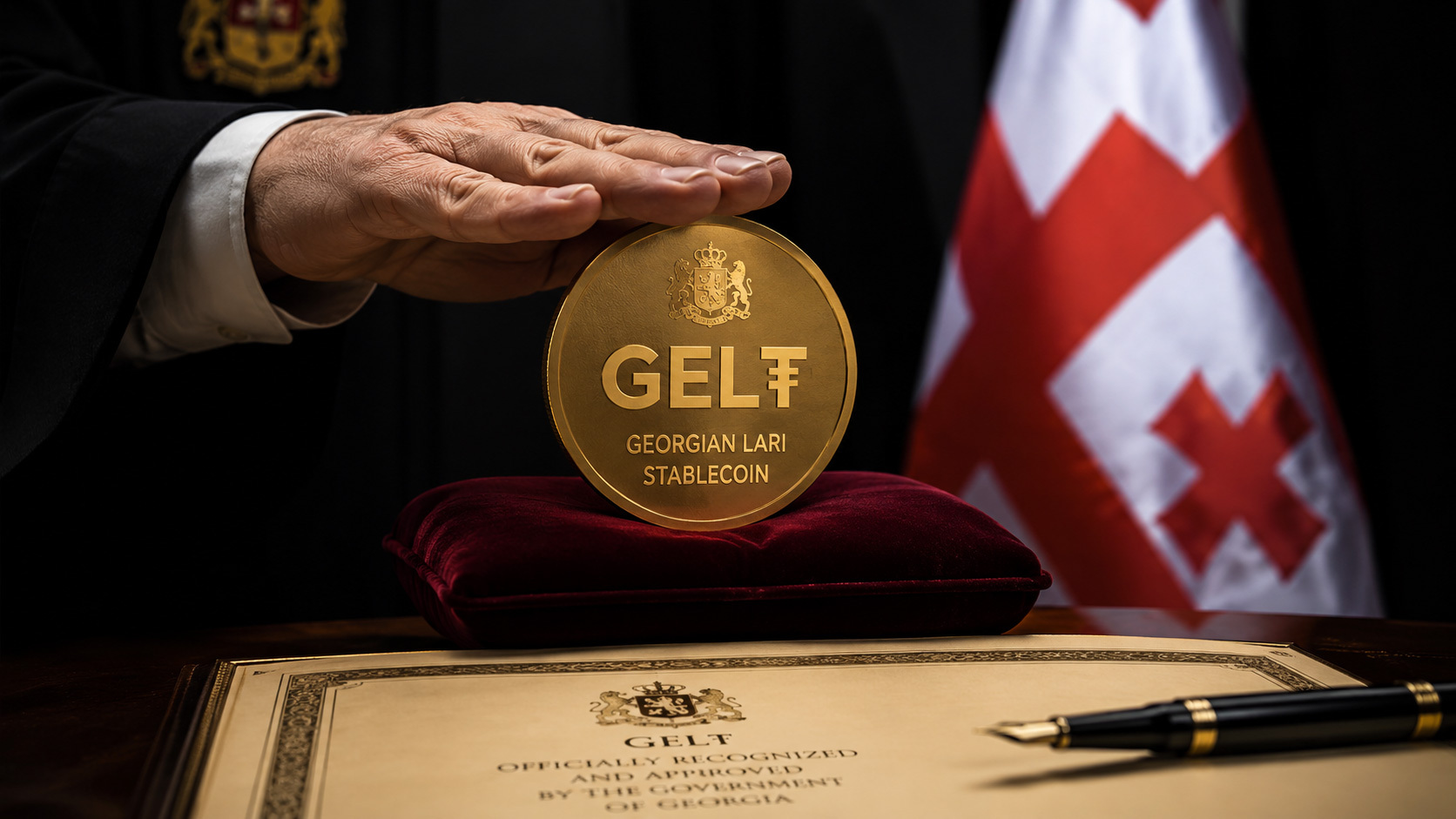
Tether and Georgia's government announced plans to launch GEL₮, a stablecoin pegged to the Georgian lari, positioning the country as an early adopter of blockchain-based national currency infrastructure. The May 25 announcement designates GEL₮ as Georgia's official stablecoin, marking one of the first instances where a sovereign nation has directly integrated a private stablecoin onto domestic payment rails before establishing broader regulatory frameworks for the model.
The partnership represents a strategic play for Tether, which has faced regulatory scrutiny globally over reserve transparency and stablecoin stability. Georgia offers a smaller, more favorable regulatory environment to pilot the concept. The GEL₮ issuance sits on Tether's infrastructure, giving the stablecoin issuer direct involvement in a government-backed digital currency system rather than merely serving as a third-party service provider.
The move challenges the conventional path taken by most developed nations, which have pursued central bank digital currencies (CBDCs) through their own institutions rather than delegating to private stablecoin platforms. Georgia's approach suggests openness to outsourcing digital currency operations to established blockchain players, potentially reducing development costs and accelerating deployment timelines.
For Tether, the partnership validates its business model and creates a template for other emerging markets seeking rapid digital payment infrastructure upgrades. USDT (Tether's dollar-backed stablecoin) already dominates stablecoin trading volumes across crypto exchanges, and a sovereign endorsement strengthens its legitimacy amid ongoing debates about reserve backing and systemic risk.
The announcement carries regulatory implications. Successful execution could shift how central banks evaluate private stablecoin partnerships, particularly in regions where building proprietary CBDC infrastructure strains resources. However, it also raises questions about monetary policy control and whether Georgia effectively delegates currency management to an offshore entity.
Timing matters here. Traditional CBDC development across Europe, Asia, and North America has stalled on technical and political concerns. Georgia's willingness to adopt Tether's rails ahead of those outcomes positions the country as either forward-