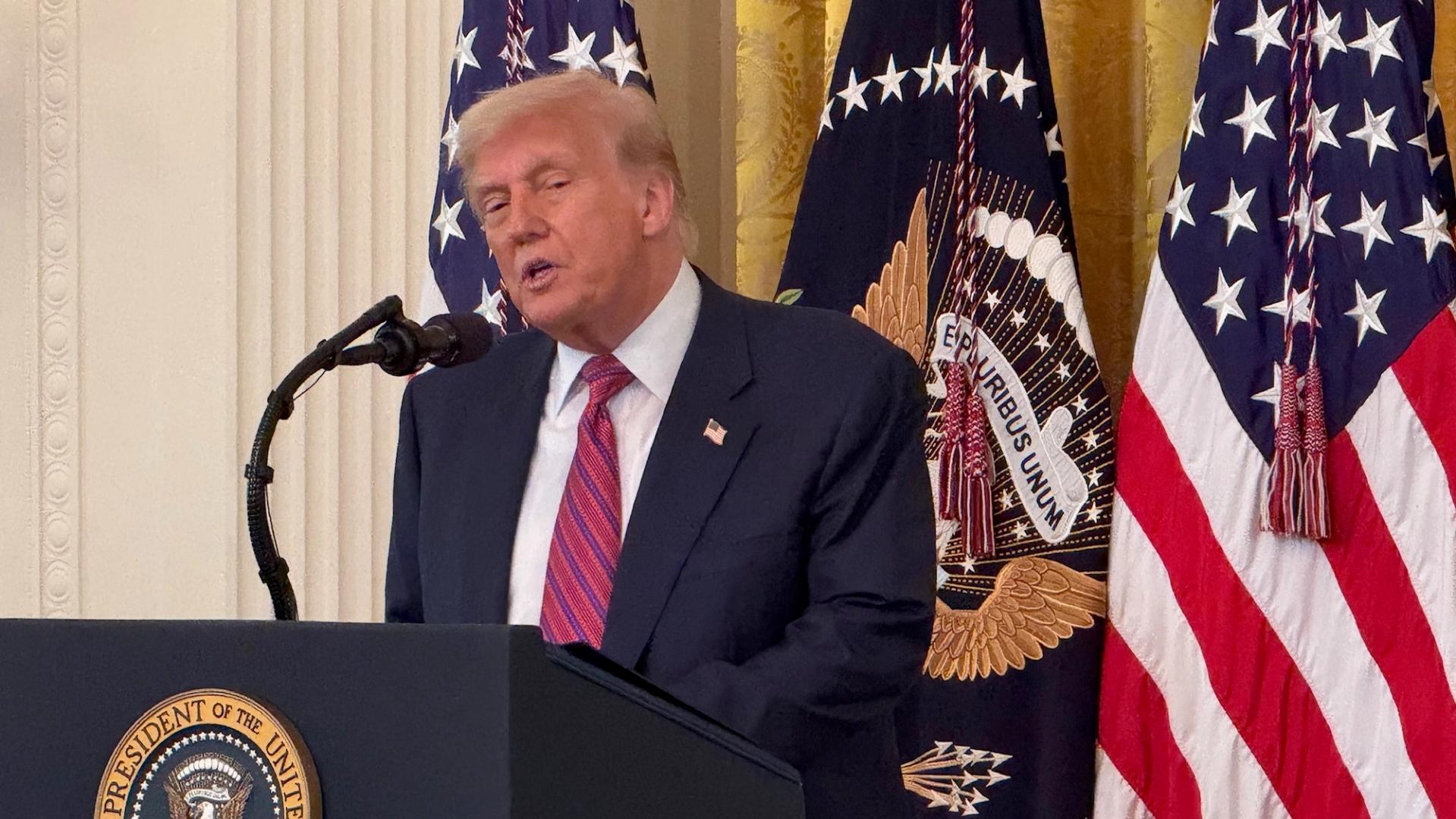
Trump has thrown his weight behind the Commodity Futures Trading Commission's regulatory authority over prediction markets, calling it "critically important" that the CFTC maintain exclusive control. His statement aligns with CFTC Chair Michael Selig's position on jurisdictional boundaries.
The endorsement arrives as prediction market platforms face mounting legal pressure. Polymarket, the largest U.S.-based prediction market, has drawn SEC scrutiny over whether its binary options contracts fall under securities laws rather than commodity futures. The distinction matters enormously. CFTC jurisdiction means lighter touch regulation. SEC oversight introduces stricter disclosure and registration requirements that could reshape the sector.
Trump's backing strengthens the CFTC's hand in ongoing court battles over regulatory turf. The agency has defended its authority to oversee platforms like Polymarket, arguing that binary event contracts qualify as commodity derivatives under the Commodity Exchange Act. The SEC has taken the opposing view in informal guidance, warning that certain prediction market instruments may constitute unregistered securities.
Prediction markets have exploded in popularity since 2023, particularly around political events. Polymarket saw record volume during the 2024 U.S. election cycle, attracting retail traders betting on everything from political outcomes to economic indicators. The platforms operate in a gray zone where regulatory clarity remains elusive. Trump's statement suggests he favors the CFTC's lighter regulatory framework over the SEC's stricter approach.
The CFTC has limited resources and enforcement capacity compared to the SEC, which could explain Trump's preference. Prediction markets benefit his political interests, having tracked his polling favorably during the campaign. That calculation likely influenced his public stance.
Court filings will determine whether Trump's words translate into regulatory advantage for the CFTC. The agency needs either legislative clarity or favorable court rulings to cement jurisdictional control. Without both, prediction market platforms face continued legal uncertainty that could chill innovation and user adoption in the sector.