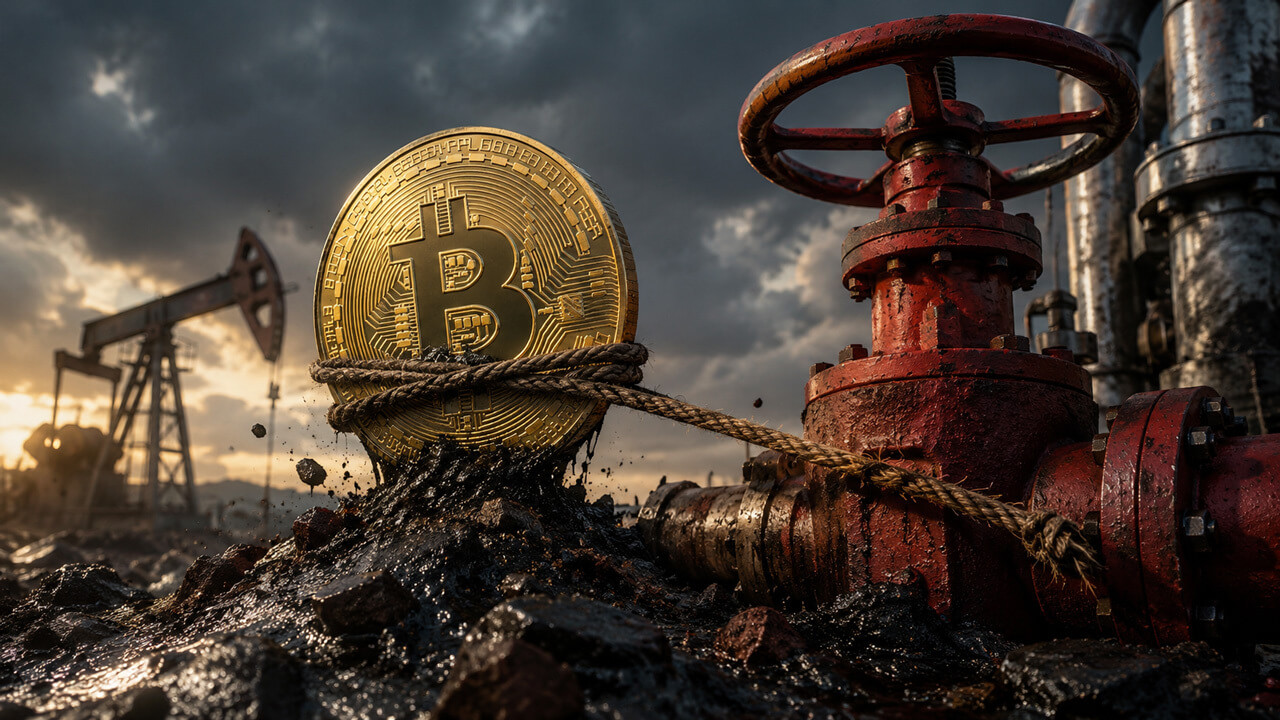
Bitcoin remains tethered to geopolitical volatility as US-Iran tensions create macro headwinds for crypto markets. Reports from late May indicated Washington and Tehran were negotiating a 60-day ceasefire extension following early-April tensions, with plans to reopen the Strait of Hormuz roughly 30 days after a final agreement and resume nuclear negotiations during the cooling-off period.
That potential relief scenario has already faced stress tests. US military actions have punctured diplomatic progress multiple times, sending shockwaves through risk-on assets including Bitcoin. The cryptocurrency's price action reflects broader macro sensitivity. When geopolitical tensions spike, traditional risk-off flows pull capital from crypto into US Treasury bonds and the dollar, creating downward pressure on BTC.
The Strait of Hormuz holds critical importance for global oil supply chains. Any sustained disruption triggers energy inflation fears, which central banks typically counter with rate hikes. Higher rates compress valuations across growth assets and crypto. Conversely, de-escalation signals could unlock a relief rally, with capital rotating back into Bitcoin as macro uncertainty recedes.
Bitcoin's recent correlation with equity markets and macro sentiment underscores its sensitivity to these geopolitical variables. During periods of elevated US-Iran tensions, BTC has struggled to break through resistance levels, while ceasefire announcements occasionally spark brief relief bounces.
The 60-day ceasefire window offers a critical period for nuclear diplomacy, but markets remain skeptical given repeated escalation cycles. Bitcoin traders are monitoring both the formal talks and military activity closely. Any fresh strikes or breakdown in negotiations would likely trigger capitulation selling, while genuine progress toward a longer-term de-escalation could free up capital for risk assets.
Until a durable resolution emerges, Bitcoin remains hostage to headline risk and macro uncertainty driven by Middle East geopolitics rather than on-chain fundamentals or crypto-specific catalysts.