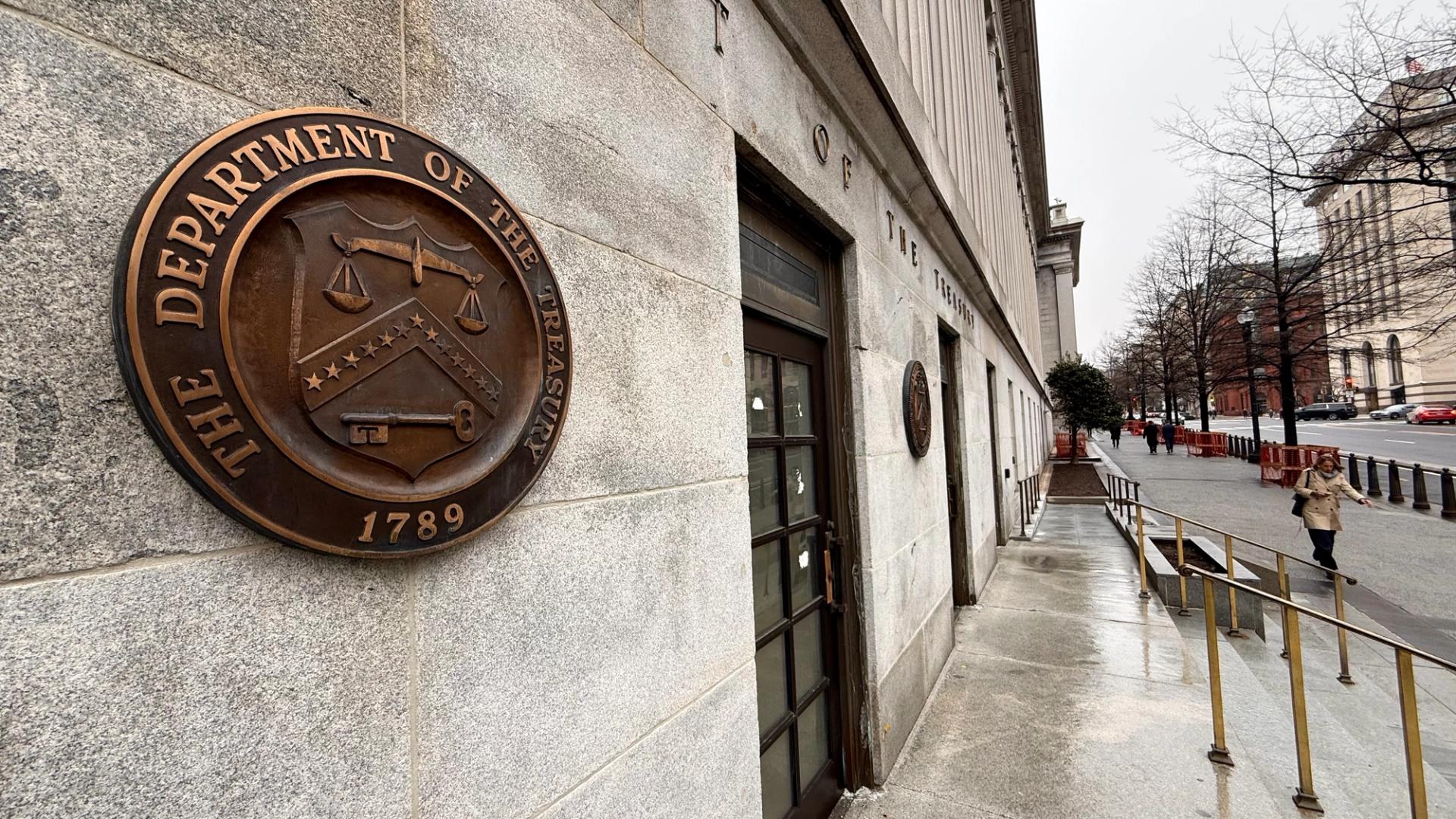
Michael Kramer, a fund manager, warns that a $150 billion liquidity drain from upcoming U.S. Treasury operations poses downside risk for bitcoin. The Treasury's quarterly refunding operations will reduce money supply across financial markets, potentially forcing investors to liquidate assets to meet obligations.
Treasury refunding operations typically involve the government rolling over maturing debt by issuing new securities. When the Treasury drains liquidity on this scale, capital gets redirected from risk assets like crypto into fixed-income instruments and cash reserves. Bitcoin has historically underperformed during periods of rising Treasury yields and tightening financial conditions.
Kramer's warning reflects broader concerns about the timing of Fed policy and Treasury cash management. If the $150 billion drain coincides with other macro headwinds—rising real rates, equity market weakness, or dollar strength—bitcoin could face sustained selling pressure. The cryptocurrency's correlation with equities remains elevated, and forced selling by leveraged investors could accelerate any downswing.
Bitcoin's current positioning matters here. If retail or institutional holders are carrying leverage or funding positions at elevated rates, a liquidity squeeze could trigger cascading liquidations. On-chain data shows whale accumulation has slowed in recent weeks, suggesting large holders sense vulnerability ahead.
However, context cuts both ways. Bitcoin has navigated Treasury operations before without major selloffs. The crypto market's maturity and deeper liquidity pools mean shocks disperse faster than they did years ago. Additionally, if the Treasury drain proves brief or modest in execution, the impact may fade quickly.
The timing of Kramer's warning comes as bitcoin trades near recent support levels. Traders are watching Fed communications and Treasury calendars closely for clues on the next major macro catalyst. The $150 billion operation will serve as a real-time test of bitcoin's resilience during deflationary periods, when traditional finance typically tightens and speculative assets contract.