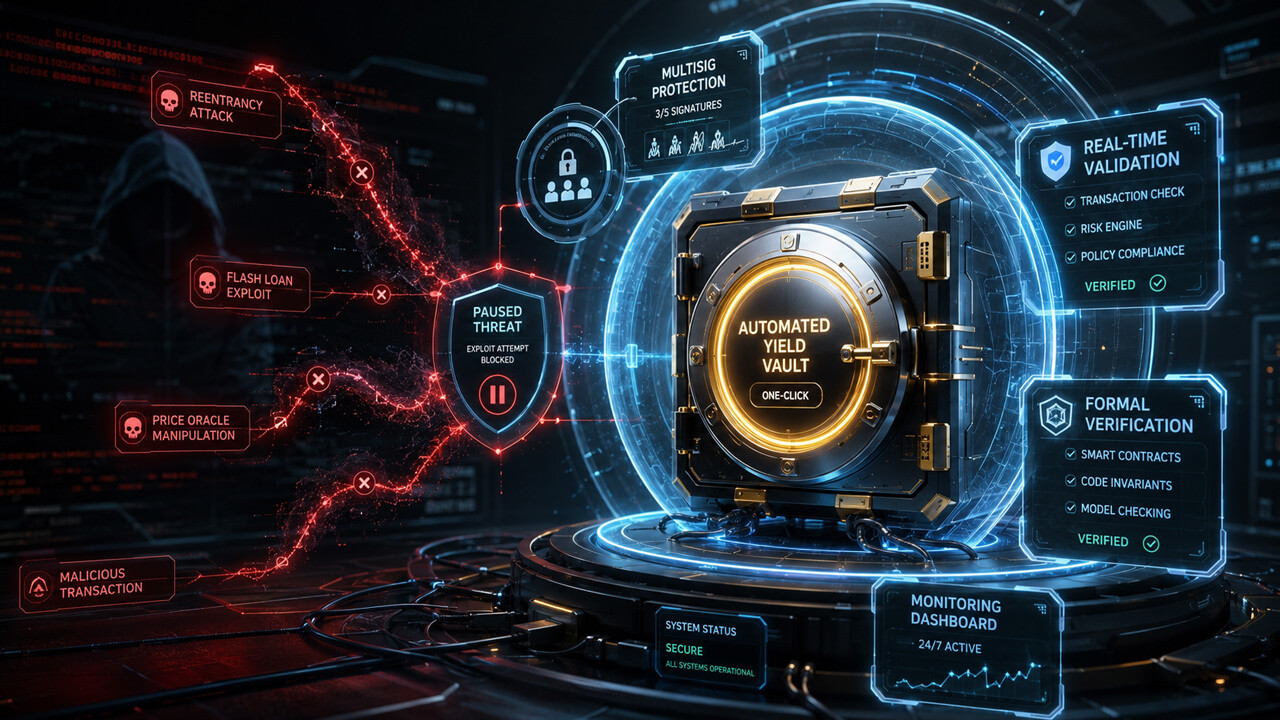
Automated yield protocols promised simplicity. Deposit tokens, earn yields, let the protocol handle the rest. Reality proved messier. These platforms, built to abstract away complexity for retail users, now pile layers of smart contract risk on top of already-difficult DeFi mechanics.
Stake DAO exemplifies the problem. The protocol markets itself as a solution for users wanting Curve's boosted yields without manually managing CRV locks, vote power, wrappers, gauges, and incentives. The pitch works. Retail users get yield automation. Stake DAO captures fees. Everyone wins, in theory.
In practice, automation compounds risk. These vaults depend on external protocols functioning correctly, governance decisions staying favorable, and underlying token mechanics remaining stable. When any breaks, retail depositors face losses they never signed up for.
Curve itself illustrates the danger. The protocol's incentive structure depends on voters locking CRV and directing emissions toward high-APY farms. Stake DAO wraps this process, promising returns without user effort. But when Curve's governance shifts or incentive distributions change, automated vaults inherit those risks without transparency. Retail users deposit stablecoins expecting steady yields. Instead they get exposure to governance token volatility, liquidity risks, and smart contract vulnerabilities.
The fee structure compounds the problem. Automated protocols charge management fees on top of base yields. After fees, returns often underwhelm passive strategies. Yet users still bear full downside risk if audits reveal flaws or governance attacks drain liquidity.
This pattern repeats across DeFi's yield layer. Lido takes staking, Yearn wraps multiple protocols, Convex wraps Curve. Each layer introduces new smart contract surface area. Each layer extracts fees. Each layer distances users from understanding what they actually own.
Retail joined DeFi for yield. Automated protocols promised to make it simple. Instead they created a false choice. Either users learn DeFi's actual mechanics or they accept hidden risk in exchange for modest fee-reduced returns. Automation didn't solve DeFi's complexity problem