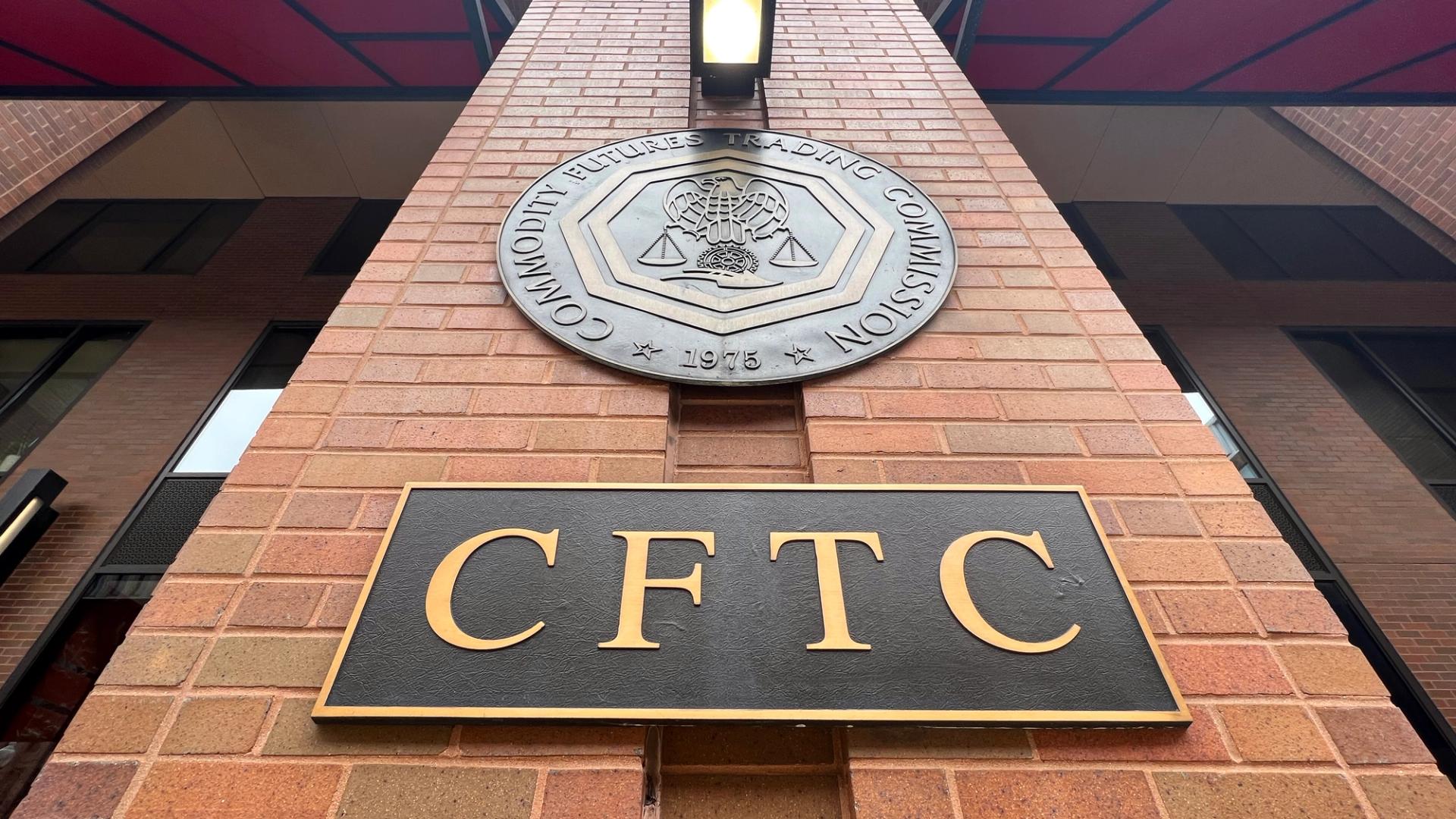
The U.S. Commodity Futures Trading Commission approved cryptocurrency perpetual futures contracts while clarifying that 24/7 trading works for digital assets but remains inappropriate for traditional markets. The CFTC's advisory distinguished crypto's unique characteristics from conventional financial instruments, effectively endorsing nonstop trading as a feature suited specifically to the decentralized nature of blockchain-based assets.
The approval marks a watershed moment for crypto derivatives infrastructure. Perpetual futures allow traders to take leveraged long or short positions without expiration dates, settling funding payments between traders continuously. This structure thrives in crypto's always-on environment where global markets operate across time zones without traditional market hours. Bitcoin, Ethereum, and other tokens trade across Asia, Europe, and North America simultaneously, making perpetual futures a natural fit for risk management and speculation.
The CFTC's position reflects pragmatism around crypto's operational reality. Unlike equity or bond markets, which close for weekends and holidays, crypto networks run perpetually. Allowing regulated perpetual futures contracts acknowledges this infrastructure rather than fighting it. The approval likely accelerates institutional adoption of crypto derivatives by bringing CME-style contracts under full regulatory oversight instead of pushing traders toward offshore unregulated venues.
Traditional stock and commodity markets operate on limited hours partly for risk management and market surveillance purposes. The CFTC's advisory suggests those safeguards remain necessary for equities and agricultural futures. Regulators retain concerns about flash crashes, manipulation, and systemic risk that require trading halts and circuit breakers. Crypto's transparency, immutability, and different market structure reduce some of these concerns, though others persist.
This regulatory stance positions the CFTC as willing to tailor frameworks to asset class realities rather than imposing one-size-fits-all rules. The move aligns with broader CFTC efforts under Chair Rostin Behnam to establish clear crypto derivatives rules and attract mainstream financial players. The perpetual futures approval removes friction for institutional investors seeking exposure to crypto volatility while keeping positions open indefinitely, addressing a key derivatives use case that traditional markets cannot accommodate.
CATEGORY: